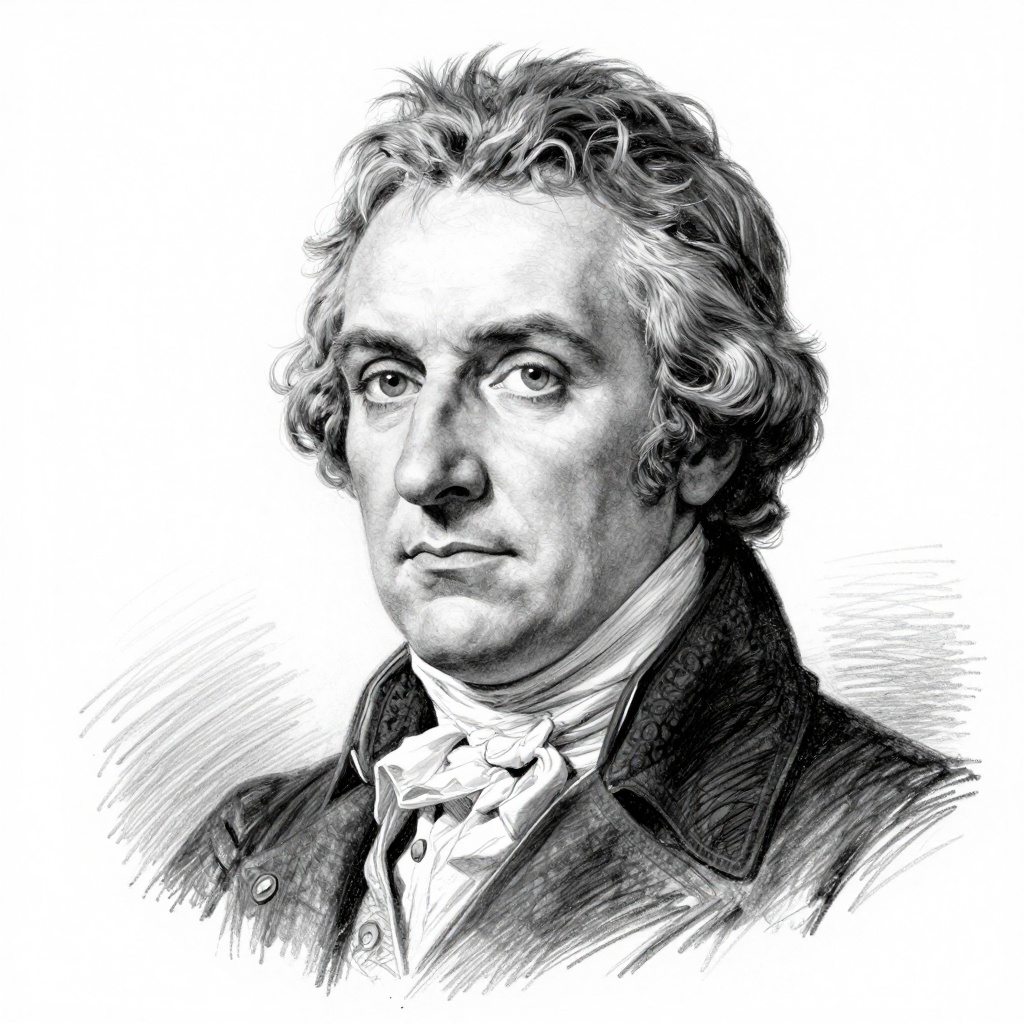
Never interrupt your enemy when he is making a mistake. — Napoleon Bonaparte

Never interrupt your enemy when he is making a mistake.

Author: Napoleon Bonaparte

Insight: There's a version of this that plays out in every office, classroom, and family argument. When someone you disagree with is clearly wrong—visibly, obviously, embarrassingly wrong—the impulse to jump in and correct them can feel almost physical. It feels righteous. But Napoleon's advice suggests that moment of restraint might actually be your best move. The insight isn't just tactical, though it is that. When you let someone realize their own mistake, something shifts. They own the error instead of blaming you for humiliating them. They're more likely to genuinely change their mind rather than just get defensive. But there's a deeper part too: staying quiet while someone stumbles forces you to think clearly instead of react emotionally. You get to see where their thinking actually breaks down, which tells you something real about how they see the world. The tricky part is knowing when to stay silent and when to actually speak up. Sometimes people need correction. But if you're in a conflict with someone, or building a case, or trying to win them over—that's when this wisdom hits hardest. Let them finish the sentence. Let them reach the conclusion themselves. You might be surprised how often they get there without you, and how much more durable that realization becomes.

Let them finish the mistake

Never interrupt your enemy when he is making a mistake.

There's a version of this that plays out in every office, classroom, and family argument. When someone you disagree with is clearly wrong—visibly, obviously, embarrassingly wrong—the impulse to jump in and correct them can feel almost physical. It feels righteous. But Napoleon's advice suggests that moment of restraint might actually be your best move.

The insight isn't just tactical, though it is that. When you let someone realize their own mistake, something shifts. They own the error instead of blaming you for humiliating them. They're more likely to genuinely change their mind rather than just get defensive. But there's a deeper part too: staying quiet while someone stumbles forces you to think clearly instead of react emotionally. You get to see where their thinking actually breaks down, which tells you something real about how they see the world.

The tricky part is knowing when to stay silent and when to actually speak up. Sometimes people need correction. But if you're in a conflict with someone, or building a case, or trying to win them over—that's when this wisdom hits hardest. Let them finish the sentence. Let them reach the conclusion themselves. You might be surprised how often they get there without you, and how much more durable that realization becomes.

AI generated

Comments

Sign in to leave a comment or reply to one.

Sign in

Napoleon Bonaparte

Napoleon Bonaparte was a French military general and the first Emperor of France, reigning from 1804 to 1814. He is best known for his military conquests that expanded the French Empire and his role in the Napoleonic Wars that had a significant impact on European history.

Graph

Related