Quote · Added 14 February 2026
Reading
AI generatedTruth Before Comfort
We live in an age of endless negotiation. Most of us have learned that keeping the peace is a virtue—avoiding conflict, smoothing things over, letting uncomfortable truths slide. But Luther's formulation flips our instinct: peace matters, yes, but not more than honesty. Not when the truth is what's actually on the line.
This doesn't mean being needlessly brutal or using "truth" as an excuse to wound people. It means recognizing the moments when backing down from what you know to be real costs something deeper than temporary discomfort. A relationship built on convenient lies is shakier than one built on difficult honesty. A workplace where everyone stays silent about what's broken stays broken. Even internally, when we choose the peaceful version of reality over the true one, we're making a small bargain with ourselves that erodes trust in our own judgment.
The real power here is the hierarchy: try for peace, absolutely. But if you have to choose, choose truth. Because peace that's purchased by ignoring reality is just a postponement of conflict, not its resolution.
The author
All 9 quotes by Martin Luther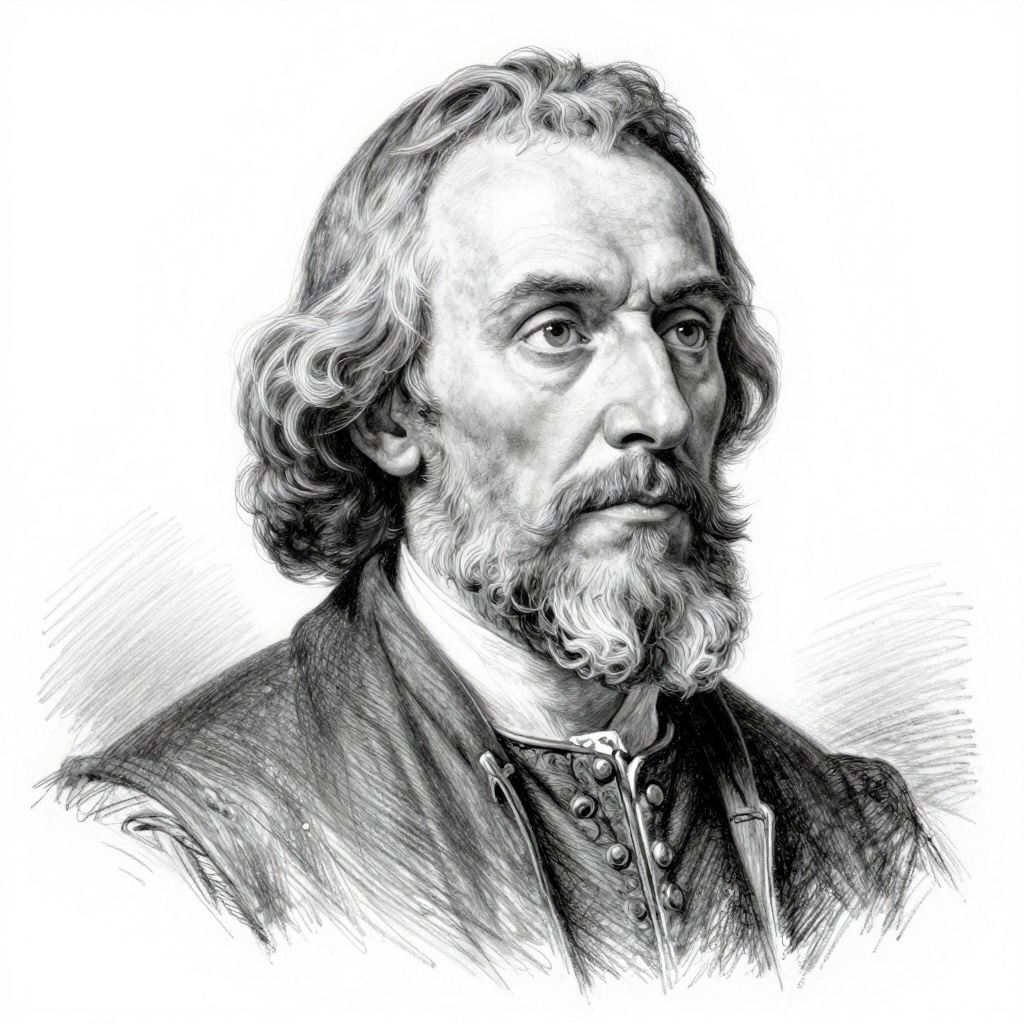
Martin Luther
1483–1546·lived 62 years
Martin Luther was a German theologian, professor, and prominent figure of the Protestant Reformation in the 16th century. He is best known for challenging the teachings of the Roman Catholic Church, particularly the sale of indulgences, and for his Ninety-Five Theses which sparked a wave of religious reform across Europe.
Comments