Quote · Added 15 February 2026
I have held many things in my hands, and I have lost them all; but whatever I have placed in God's hands, that I still possess.
Filed underfaith·loss·possession
Quote · Added 15 February 2026
Filed underfaith·loss·possession
There's a real anxiety baked into modern life: we accumulate, we secure, we try to lock things down—our careers, our relationships, our savings—and yet somehow they still slip away. A job disappears. A friendship fades. Plans collapse. Luther's observation cuts at something deeper than religious faith alone; it's about what actually stays with us versus what doesn't.
The surprising part isn't that letting go is freeing—we've heard that plenty. It's that Luther seems to have discovered a paradox: the things we grip tightest are exactly what we're most likely to lose. A child held too protectively grows distant. A career pursued with white-knuckle desperation becomes hollow. A relationship controlled rather than nurtured withers. Meanwhile, the commitments we make not for gain but for something beyond ourselves—values we stand by, people we serve without keeping score, purposes larger than our own comfort—these tend to endure in us. They become part of our actual identity.
Whether you frame it religiously or not, the practical insight holds: the difference between what stays and what slips away often comes down to how tightly we're trying to own it. Some things grow stronger only when we stop trying to control them.
1483–1546·lived 62 years
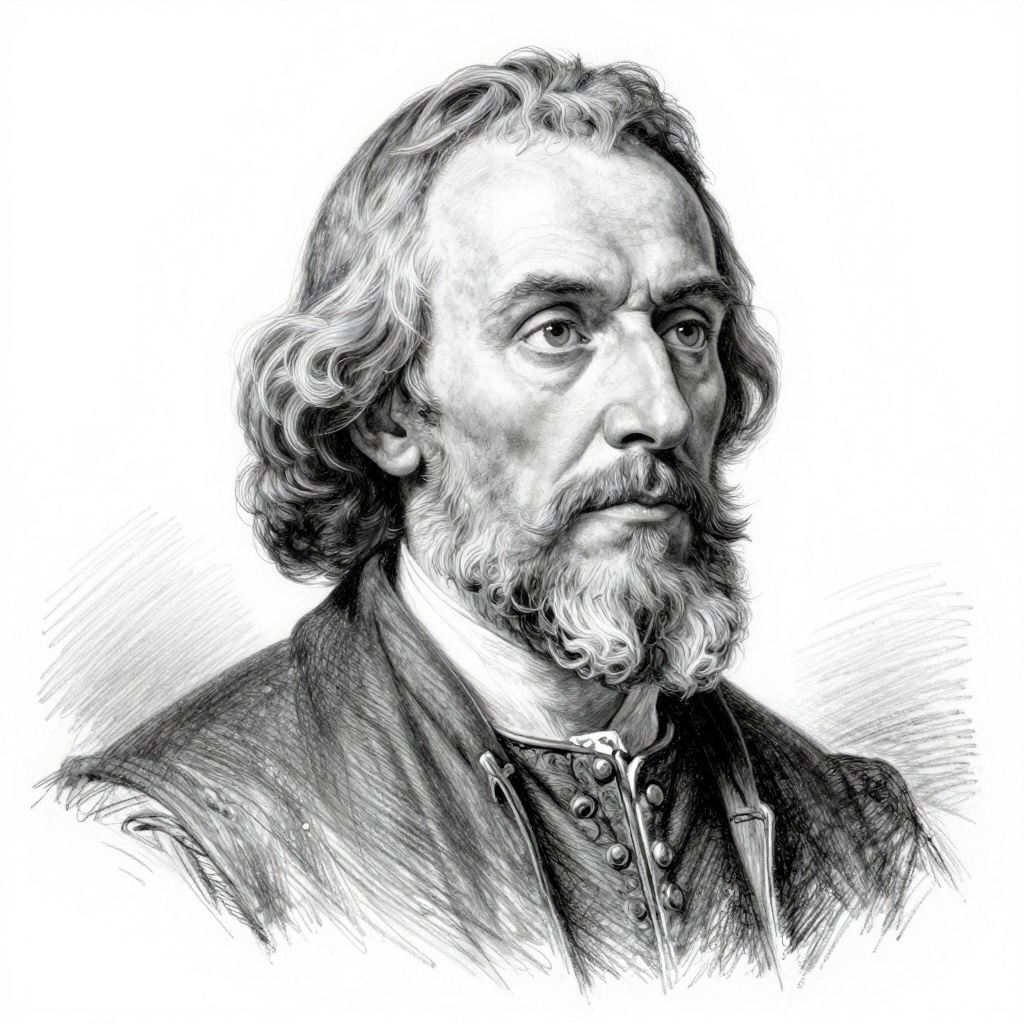
Martin Luther was a German theologian, professor, and prominent figure of the Protestant Reformation in the 16th century. He is best known for challenging the teachings of the Roman Catholic Church, particularly the sale of indulgences, and for his Ninety-Five Theses which sparked a wave of religious reform across Europe.
Comments