Quote · Added 14 February 2026
To be a Christian without prayer is no more possible than to be alive without breathing.
Martin LutherThe Large Catechism
Quote · Added 14 February 2026
We often think of prayer as something we do when we're desperate or when we remember to, the way we might dust off a hobby. But this quote suggests something more radical: that prayer isn't an optional add-on to faith, it's the baseline. It's less like going to the gym and more like breathing itself—something so fundamental that without it, the whole system starts to fail.
The insight applies way beyond religion, actually. Any meaningful commitment—to a relationship, a craft, a goal—needs a similar kind of constant, almost invisible attention. A marriage without real conversation, a creative practice without reflection, an ambition without regular check-ins with yourself: these all slowly suffocate, not because something's wrong with them, but because the basic nourishment stopped. We can coast for a while, but eventually the absence catches up with us.
What makes this particular comparison so useful is that it destigmatizes struggle. You don't feel guilty about needing to breathe. There's no shame in it, no judgment. Applying that same no-nonsense logic to the things we care about—whether faith, relationships, or personal growth—might help us stop treating maintenance as a burden and start seeing it as just... what keeping something alive actually looks like.
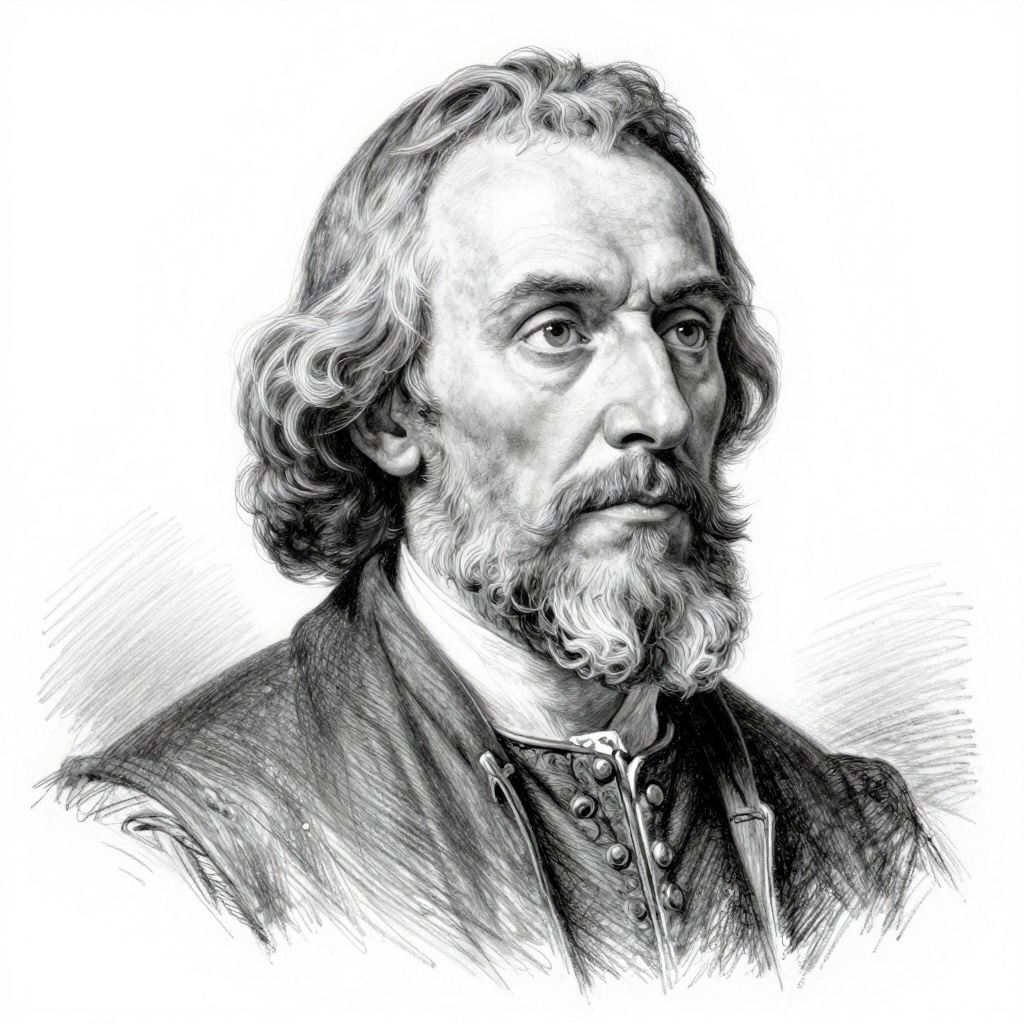
1483–1546·lived 62 years
Martin Luther was a German theologian, professor, and prominent figure of the Protestant Reformation in the 16th century. He is best known for challenging the teachings of the Roman Catholic Church, particularly the sale of indulgences, and for his Ninety-Five Theses which sparked a wave of religious reform across Europe.
Comments