Quote · Added 13 February 2026
Even if I knew that tomorrow the world would go to pieces, I would still plant my apple tree.
Martin LutherA Very Short Introduction, 2016
Filed undertree·hope·resilience
Quote · Added 13 February 2026
Filed undertree·hope·resilience
There's something almost defiant in this image—someone planting a tree while civilization burns. But the real power isn't in the defiance. It's in recognizing that meaning doesn't require a guaranteed future. We spend so much energy asking whether our efforts matter, whether they'll last, whether we're wasting time on something that won't change anything. This quote cuts through that paralysis by suggesting the opposite: we act not because success is assured, but because the act itself has value right now.
What's quietly revolutionary is that this applies to the small stuff too. You don't need the world to be stable to cook a good dinner, raise a thoughtful kid, or build something with your hands. In fact, the people who seem most alive are often those who've made peace with uncertainty and act anyway. They plant their trees not in spite of fragility, but because fragility is exactly when meaning becomes tangible and real.
The trap we fall into is waiting—waiting for the right conditions, for guarantees, for permission. But Luther's insight suggests that when you stop demanding certainty before you contribute, you actually start living.
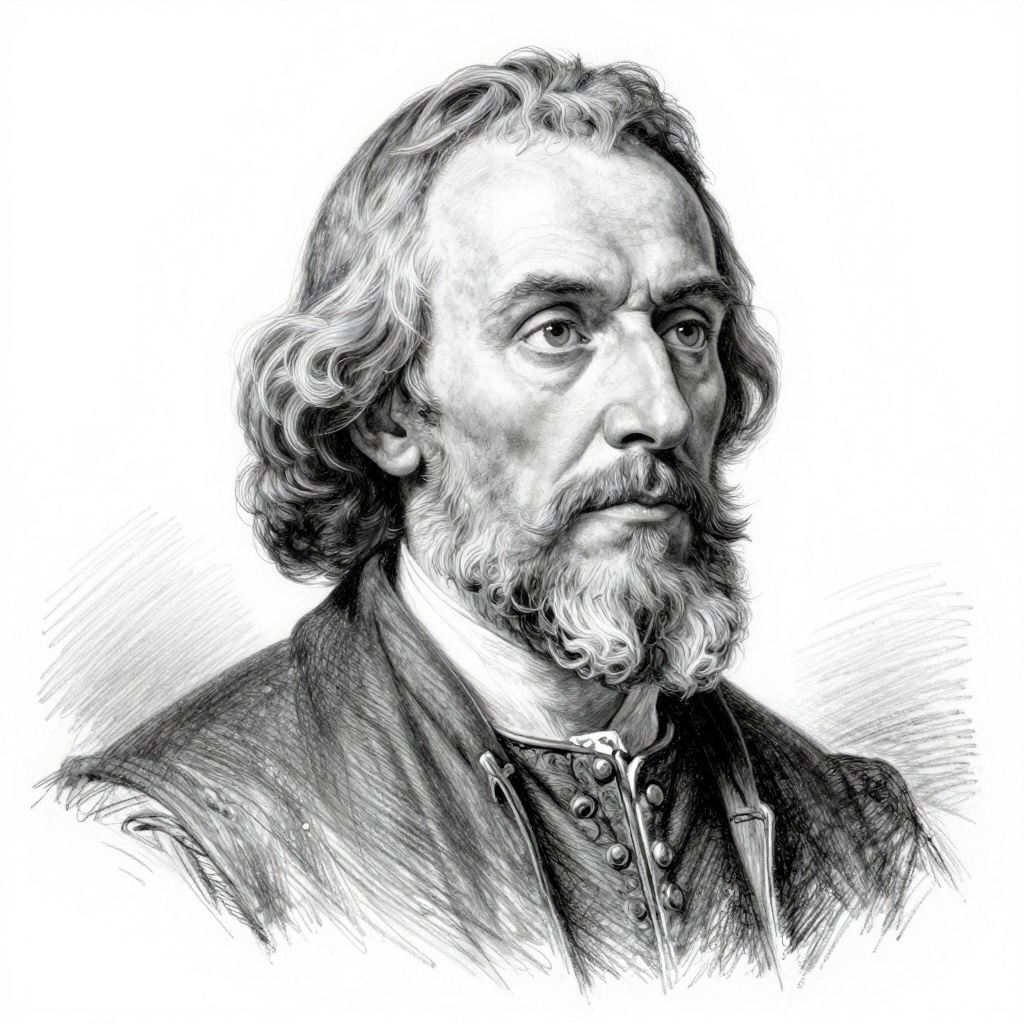
1483–1546·lived 62 years
Martin Luther was a German theologian, professor, and prominent figure of the Protestant Reformation in the 16th century. He is best known for challenging the teachings of the Roman Catholic Church, particularly the sale of indulgences, and for his Ninety-Five Theses which sparked a wave of religious reform across Europe.
Comments