Beautiful music is the art of the prophets that can calm the agitations of the soul; it is one of the most mag... — Martin Luther

Beautiful music is the art of the prophets that can calm the agitations of the soul; it is one of the most magnificent and delightful presents God has given us.

Author: Martin Luther

Insight: We tend to think of music as entertainment, something nice to have in the background while we work or commute. But this quote points to something we actually experience but rarely name: music's uncanny ability to reach into our chest and reorganize what's happening there. When you're anxious or spinning with thoughts, the right song can do what logic can't. It doesn't solve the problem, but it changes your relationship to it, like your nervous system recognizes something older than worry in the melody. What's interesting is that Luther calls this a "present"—not something we earn or deserve, but something given. In our achievement-obsessed world, we're used to thinking we have to fix ourselves through effort. But music suggests there's a kind of healing available just by showing up and listening, no self-improvement project required. A stirring hymn, a folk song, a symphony—they work on us whether we're trying or not. The "prophets" bit might seem dated, but it's really saying that great music speaks to something true about being human. It bypasses our defenses. In an age of constant distraction, that's more radical than it sounds. Music isn't productivity. It's permission to feel, to settle, to be moved by something beyond ourselves.
Music as medicine, not background noise

Beautiful music is the art of the prophets that can calm the agitations of the soul; it is one of the most magnificent and delightful presents God has given us.

We tend to think of music as entertainment, something nice to have in the background while we work or commute. But this quote points to something we actually experience but rarely name: music's uncanny ability to reach into our chest and reorganize what's happening there. When you're anxious or spinning with thoughts, the right song can do what logic can't. It doesn't solve the problem, but it changes your relationship to it, like your nervous system recognizes something older than worry in the melody.

What's interesting is that Luther calls this a "present"—not something we earn or deserve, but something given. In our achievement-obsessed world, we're used to thinking we have to fix ourselves through effort. But music suggests there's a kind of healing available just by showing up and listening, no self-improvement project required. A stirring hymn, a folk song, a symphony—they work on us whether we're trying or not.

The "prophets" bit might seem dated, but it's really saying that great music speaks to something true about being human. It bypasses our defenses. In an age of constant distraction, that's more radical than it sounds. Music isn't productivity. It's permission to feel, to settle, to be moved by something beyond ourselves.

AI generated

Comments

Sign in to leave a comment or reply to one.

Sign in

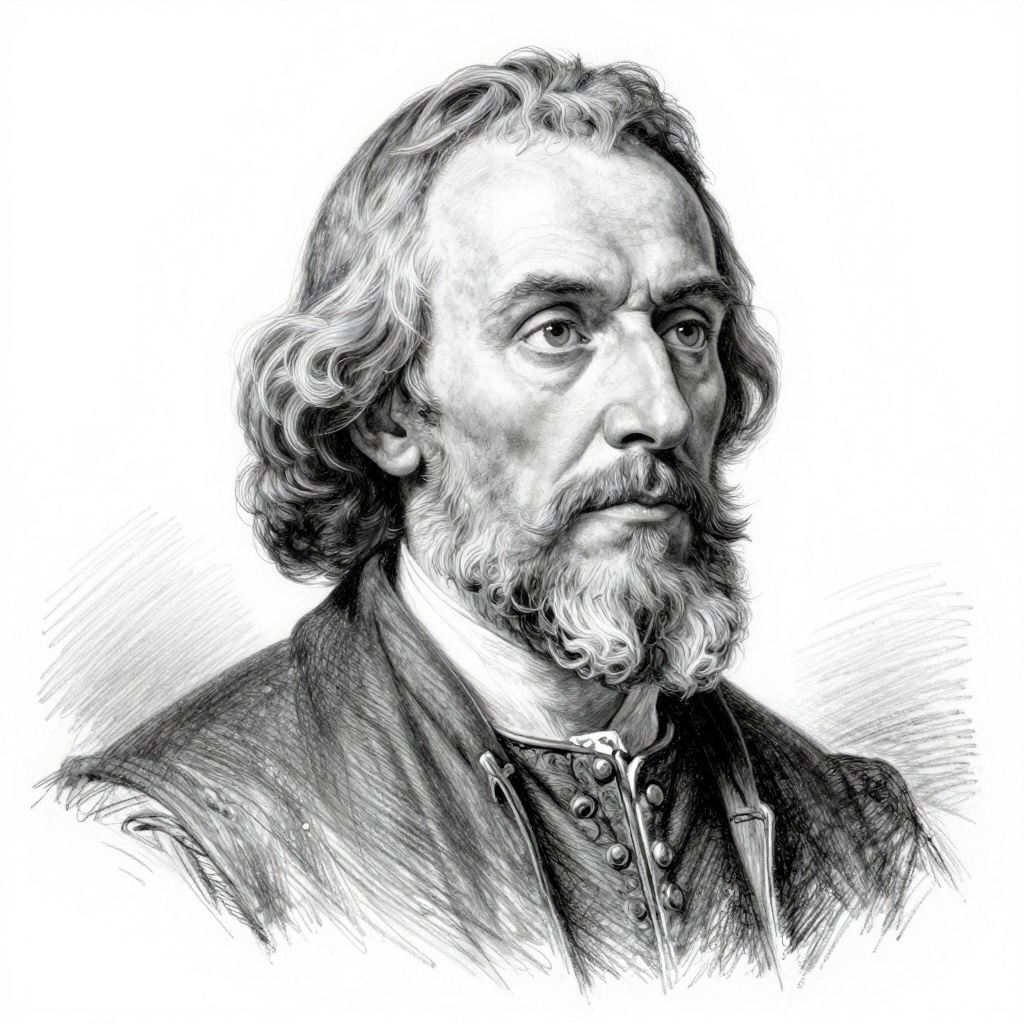
Martin Luther

Martin Luther was a German theologian, professor, and prominent figure of the Protestant Reformation in the 16th century. He is best known for challenging the teachings of the Roman Catholic Church, particularly the sale of indulgences, and for his Ninety-Five Theses which sparked a wave of religious reform across Europe.

Graph

Related