Quote · Added 14 February 2026
The weak can never forgive. Forgiveness is the attribute of the strong.
Mahatma GandhiThe Essential Gandhi, p. 90, 2002
No ratings yet
Filed underforgiveness·strength·character
Quote · Added 14 February 2026
Filed underforgiveness·strength·character
There's something counterintuitive about this. We often imagine forgiveness as something the powerless resort to—a consolation prize when they can't get justice or revenge. But Gandhi points to something harder to see: forgiveness actually requires strength, not weakness. It takes real power to absorb a hurt, sit with your anger, and then choose to let it go. Revenge, by contrast, is often the easier path. It's reactive, it feels justified, it demands nothing from you except continuation of the cycle.
The strength Gandhi means isn't about physical dominance or status. It's the strength to resist the gravitational pull of resentment, to refuse the story that you're defined by what was done to you. When you can't forgive, you stay tethered to the person who hurt you. They keep winning, day after day, in your own thoughts. The strong person is the one who can reclaim that energy and redirect it toward their own life.
This matters now because we live in a culture that often confuses consequence with cruelty, accountability with permanent exile. But true strength isn't about making someone pay forever—it's about deciding you're done paying the price yourself.
1869–1948·lived 78 years
Mahatma Gandhi (1869–1948) was an Indian lawyer, anti-colonial nationalist, and political ethicist who employed nonviolent resistance to lead the successful campaign for India's independence from British rule. Known for his principle of nonviolent protest, he inspired movements for civil rights and freedom across the world.
Also by Mahatma Gandhi
Be the change you want to see in the world.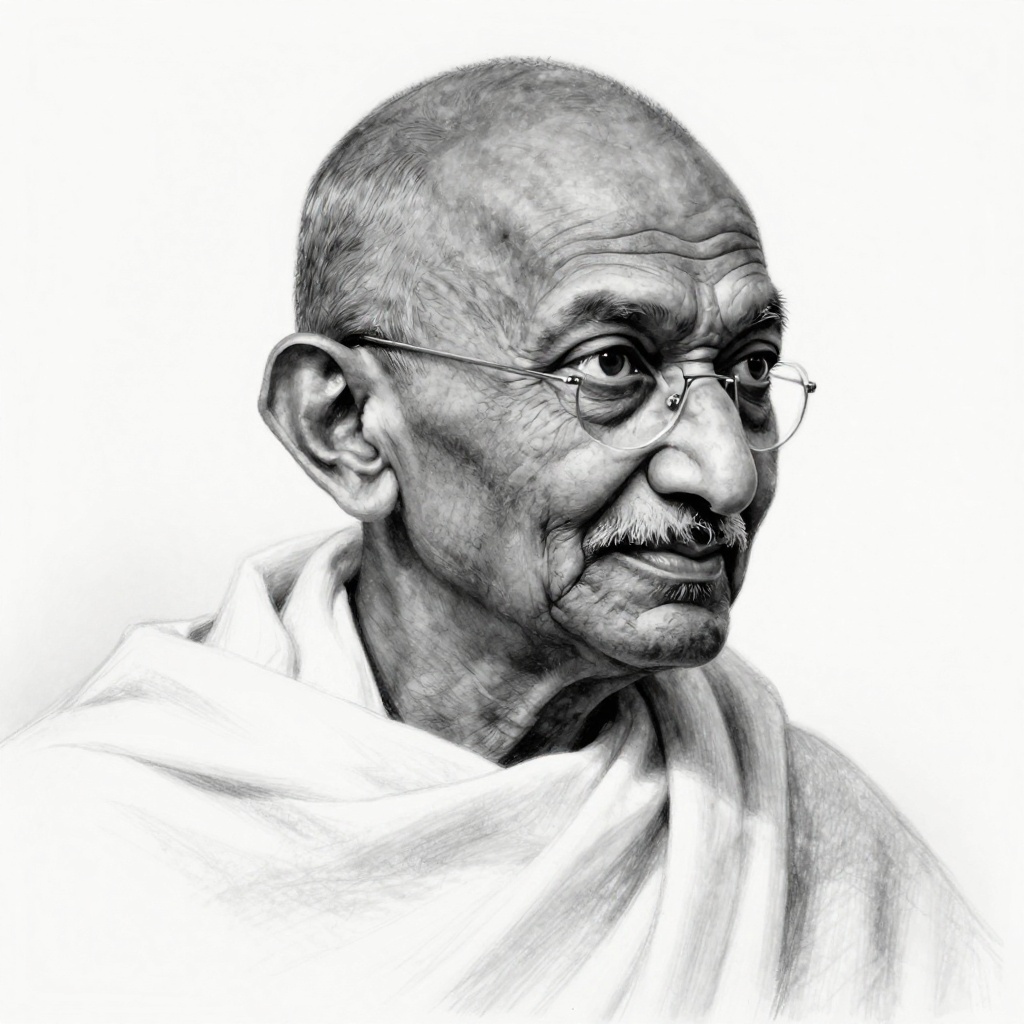
Comments