Quote · Added 28 February 2026
I object to violence because when it appears to do good, the good is only temporary; the evil it does is permanent.
No ratings yet
Filed underviolence·morality·consequence
Quote · Added 28 February 2026
Filed underviolence·morality·consequence
We live in a world obsessed with quick fixes. When something frustrates us—whether it's a conflict at work, a disagreement with a friend, or a larger social problem—the violent solution always seems fastest. A harsh word, a aggressive move, a forceful takeover. And it works, at least for a moment. The problem gets solved, the person backs down, the situation feels resolved.
But Gandhi's point isn't romantic or naive. He's describing something mechanical about how violence actually operates. The temporary peace it creates comes with invisible cracks. The person you dominated now resents you. The shortcut you took taught everyone around you that force works. The wound you inflicted, even a small one, lingers in ways a negotiated solution wouldn't. You've now normalized the very thing you used, making it easier for it to be used again—maybe on you.
This matters in our smaller lives just as much as in history. The email sent in anger, the argument won through intimidation, the boundary enforced through threat—they all buy you time. But they also build a relationship on fear rather than respect, which means the problem hasn't actually been solved. It's just been paused, waiting to explode again.
1869–1948·lived 78 years
Mahatma Gandhi (1869–1948) was an Indian lawyer, anti-colonial nationalist, and political ethicist who employed nonviolent resistance to lead the successful campaign for India's independence from British rule. Known for his principle of nonviolent protest, he inspired movements for civil rights and freedom across the world.
Also by Mahatma Gandhi
Be the change you want to see in the world.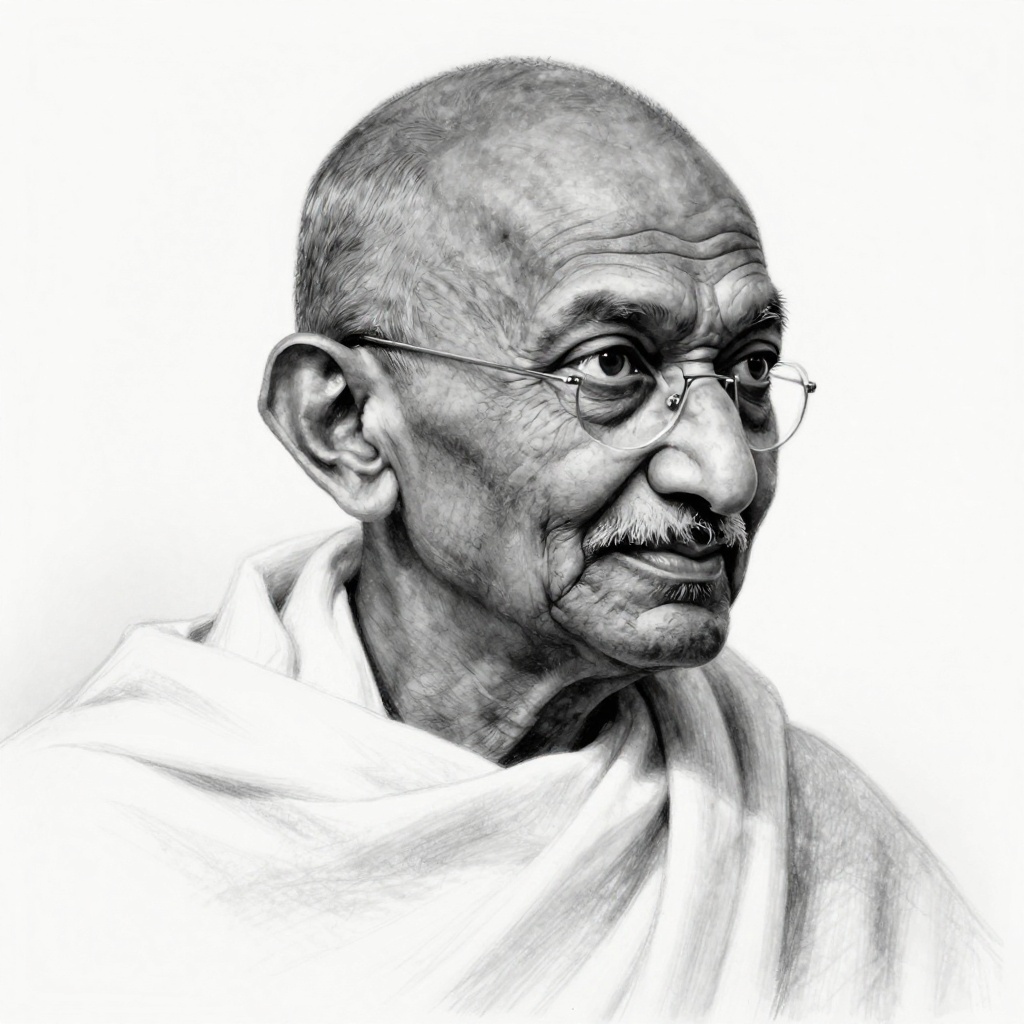
Comments