Quote · Added 17 February 2026
We should be satisfied with the small things in life. The less we need, the less trouble we can have.
No ratings yet
Filed undersatisfaction·simplicity·contentment
Quote · Added 17 February 2026
Filed undersatisfaction·simplicity·contentment
There's something counterintuitive about this idea that hits harder the older you get. We're taught to want more—better job, bigger house, nicer things—as if accumulation equals progress. But Tolstoy is pointing at something simpler: every possession, every status marker, every upgrade is also a new source of anxiety. You get the fancy car and suddenly you're stressed about parking lots and repairs. You upgrade your lifestyle and now you need to maintain it. The trap closes quietly.
The real insight here isn't that you should live like a monk. It's that there's a freedom in recognizing what actually makes you content. When you stop chasing the next thing, you stop creating the conditions for disappointment, comparison, and perpetual dissatisfaction. This doesn't mean rejecting good things—it means being honest about which things genuinely improve your life versus which ones just add weight.
The practical angle most people miss: small things are usually free or cheap and genuinely restorative. A walk, a conversation, making something with your hands, a good meal. These don't come with the hidden costs that fancier pleasures do. Less isn't boring—it's often just clearer.
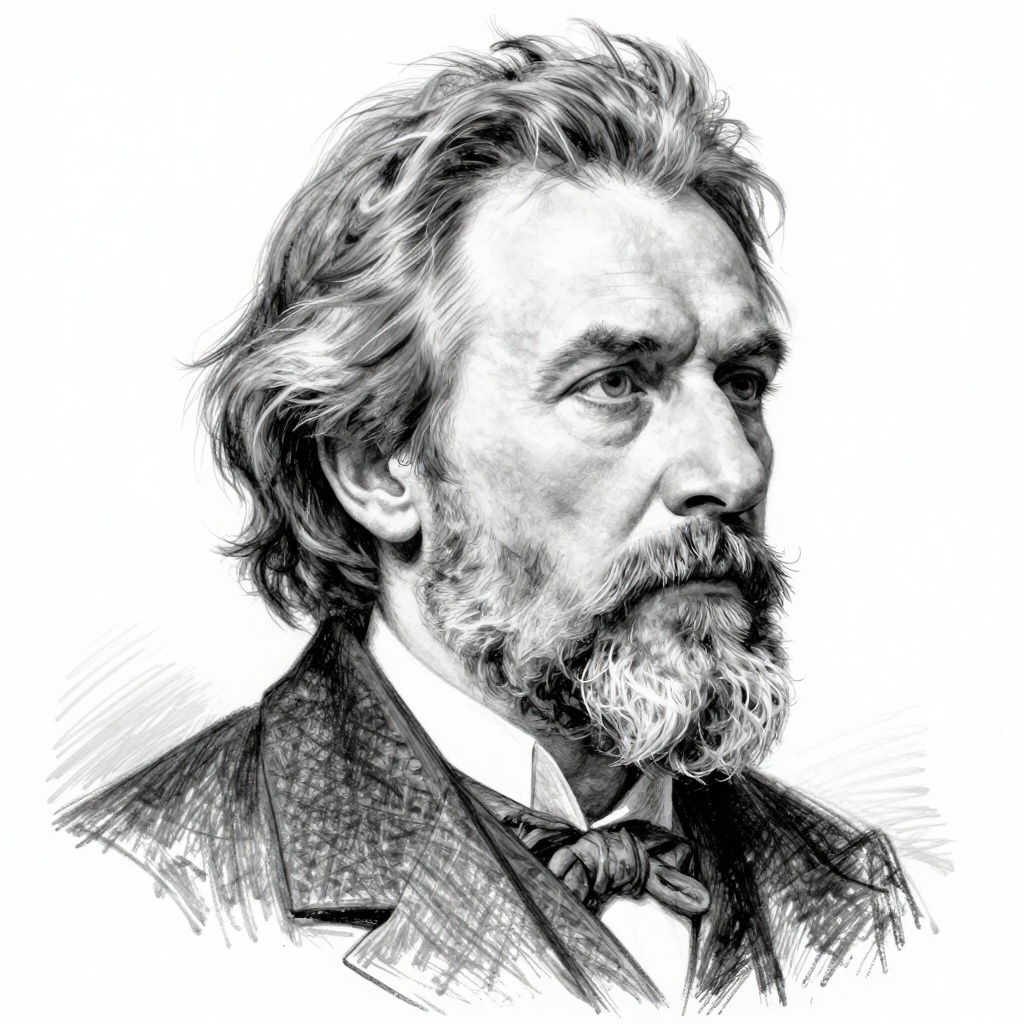
1828–1910·lived 82 years
Leo Tolstoy was a renowned Russian writer and philosopher, known for his epic novels "War and Peace" and "Anna Karenina." He is widely regarded as one of the greatest authors in world literature, his works exploring themes of morality, society, and the human experience.
Comments