Quote · Added 5 July 2026
People want to remain as bad as they are, but they want their lives to improve.
No ratings yet
Filed underchange·resistance·improvement
Quote · Added 5 July 2026
Filed underchange·resistance·improvement
We all recognize this tension without quite naming it. We want better relationships but resist the vulnerability that closeness requires. We want financial security but balk at the discipline of budgeting. We complain about feeling stuck while defending the habits that keep us there. It's not hypocrisy exactly—it's more like we're hoping for a shortcut that doesn't exist.
What makes this observation sting is that we're usually aware of the gap. We know the person we'd need to become to get the life we want. But becoming that person means changing what we think, how we react, what we tolerate about ourselves. It's easier to fantasize about transformation than to do the slow, unglamorous work of actually changing. We want the destination without the journey.
The practical weight of Tolstoy's insight is this: real improvement requires becoming different, not just waiting for circumstances to shift. This is why the same person in a new job often recreates the same problems, or why moving to a new city doesn't fix what's broken inside. The uncomfortable truth is that the life we want is usually waiting on the other side of becoming someone we're not yet willing to be. That gap between wanting better and being willing to change is where most of us get stuck.
1828–1910·lived 82 years
Leo Tolstoy was a renowned Russian writer and philosopher, known for his epic novels "War and Peace" and "Anna Karenina." He is widely regarded as one of the greatest authors in world literature, his works exploring themes of morality, society, and the human experience.
Also by Leo Tolstoy
Everything comes in time to him who knows how to wait.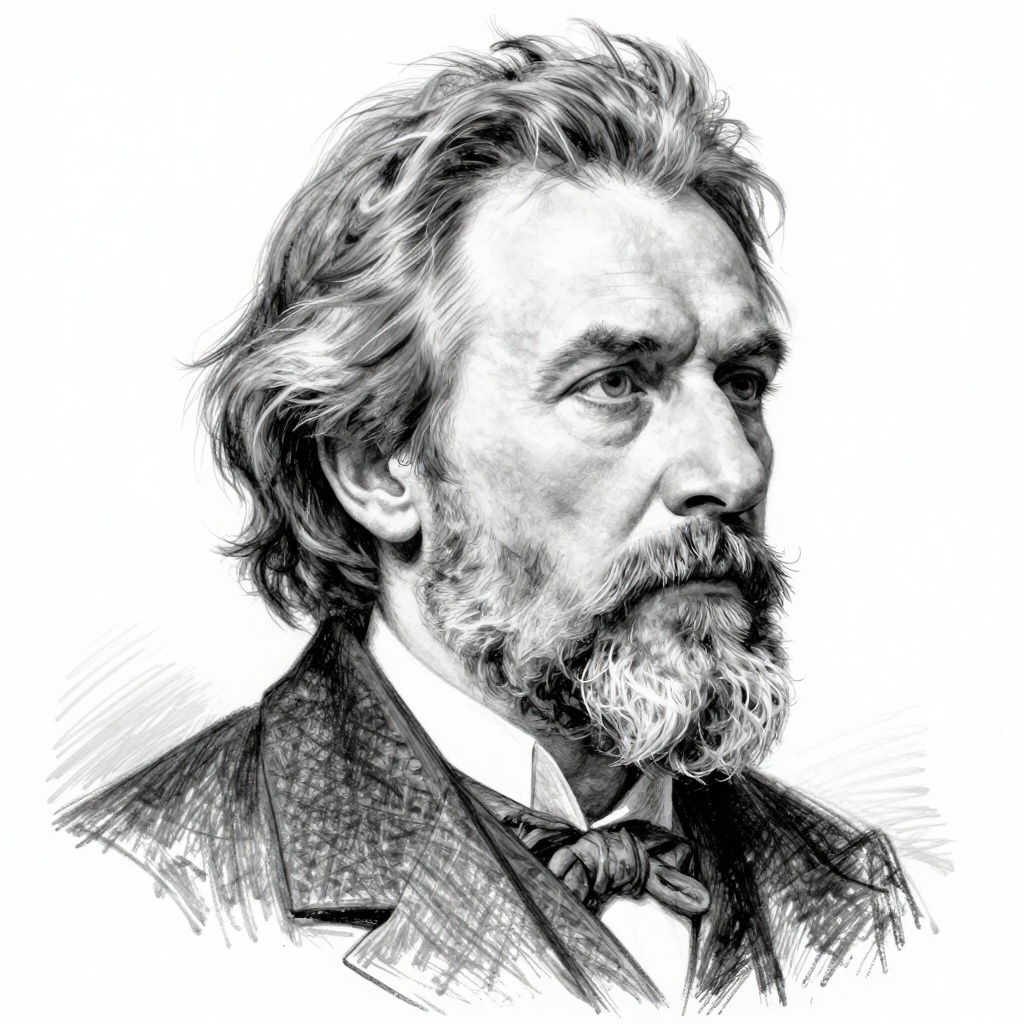
Comments