Quote · Added 24 March 2026
Everything comes in time to him who knows how to wait.
No ratings yet
Quote · Added 24 March 2026
There's a particular kind of torture in our current moment: we've gotten so used to instant gratification that waiting feels like something's broken. We tap, we expect results. We scroll endlessly because standing still feels like failure. But Tolstoy's insight isn't just about patience as a virtue—it's pointing at something stranger. He's saying that waiting isn't empty time. It's active.
The tricky part is that "knowing how to wait" isn't the same as passively accepting whatever happens. It's closer to tending a garden: you can't force a seed to grow faster, but you can prepare the soil, water it consistently, and position it toward the sun. Most of us are decent at the forcing part. We're terrible at the positioning. We want the thing, we want it now, and we want to have done nothing in the meantime except want harder.
What actually changes when you wait well is often you. Your perspective shifts. You learn things you wouldn't have known in your rush. Opportunities that seemed impossible become visible. The person who arrives at their goal after deliberately preparing themselves usually finds it fits better than the person who clawed their way there desperately. The waiting wasn't wasted time—it was the real work happening invisibly.
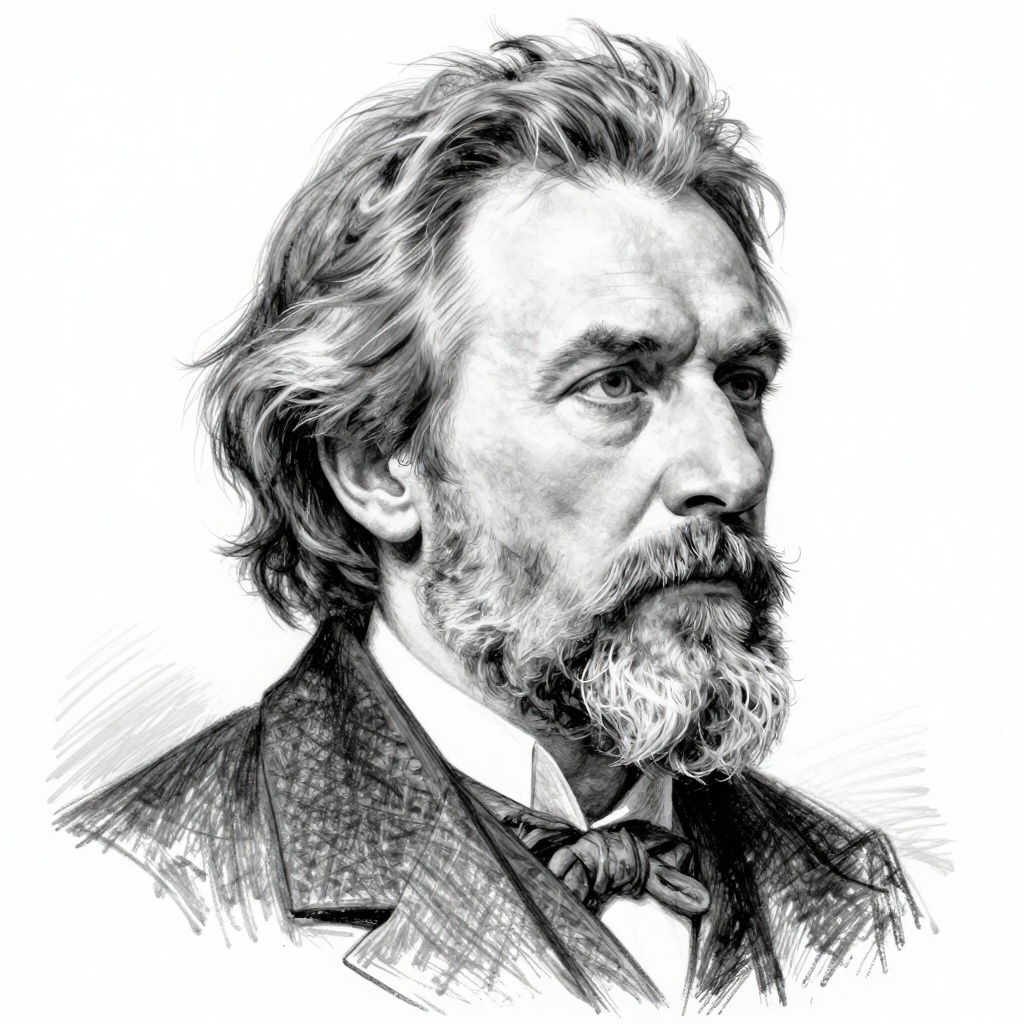
1828–1910·lived 82 years
Leo Tolstoy was a renowned Russian writer and philosopher, known for his epic novels "War and Peace" and "Anna Karenina." He is widely regarded as one of the greatest authors in world literature, his works exploring themes of morality, society, and the human experience.
Comments