Quote · Added 28 June 2026
If you are content to be simply yourself and don't compare or compete, everybody will respect you.
Filed underself·respect·contentment
Quote · Added 28 June 2026
Filed underself·respect·contentment
There's something counterintuitive happening here that we all feel but rarely name: the moment you stop performing for approval, people actually like you more. When you're genuinely focused on being yourself—not the version you think others want—there's a kind of ease that comes off you. People sense it. They don't have to work as hard to figure out who you really are, and that actually builds respect rather than losing it.
The comparison trap is the real thief. We think if we're not constantly measuring ourselves against others, we'll fall behind or seem unremarkable. But the opposite often happens. The people we actually admire most are usually those who seem unbothered by the scoreboard—not arrogant about it, just genuinely more interested in their own path. They're easier to be around because they're not silently asking you to validate their choices or compete for some invisible prize. There's less exhaustion in that relationship.
This doesn't mean not caring about growth or excellence. It means the difference between "I want to improve because I care about this" and "I want to improve because I'm terrified someone is doing it better." One comes from inside; the other is a treadmill that never slows down. The first version is what actually gets you respect—the kind that lasts because it's built on something real.
Lao Tzu was an ancient Chinese philosopher and writer believed to have lived in the 6th century BCE. He is known as the author of the Tao Te Ching, a foundational text of Taoism, which emphasizes humility, simplicity, and harmony with nature. Lao Tzu's teachings have had a lasting impact on Chinese philosophy and spirituality.
Also by Lao Tzu
Because he does not compete, no one can compete with him.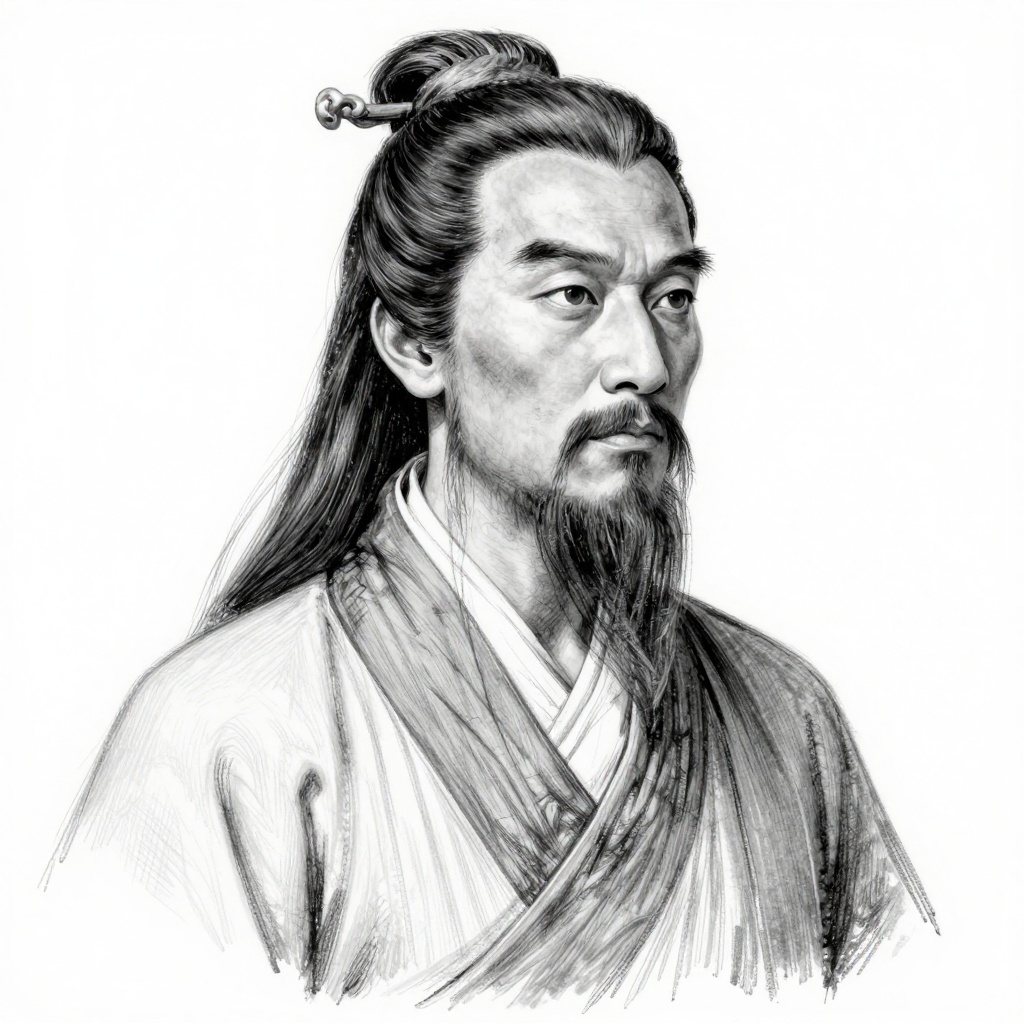
Comments