Quote · Added 24 October 2023
Everyone thinks of changing the world, but no one thinks of changing himself.
Leo TolstoyThree Methods Of Reform, 1900
No ratings yet
Filed underchange·self·introspection
Quote · Added 24 October 2023
Filed underchange·self·introspection
We're remarkably comfortable with grand visions. We can spend hours imagining a better society, a kinder workplace, a more honest government. We see exactly what's wrong with everyone else. But the moment we turn that same critical eye inward, we get uncomfortable. Changing ourselves feels smaller, less noble, maybe even boring compared to fixing the whole world.
Here's the twist though: the people who actually shift things around them aren't usually the ones waiting for permission or perfect conditions. They're the ones who quietly stopped making excuses for their own behavior. They learned to listen instead of interrupt. They apologized when they were wrong. They showed up on time. These tiny personal shifts ripple outward in ways grand theories never do. Your friend notices you've become more patient, and suddenly they're less defensive with their kids. Your coworker sees you admit a mistake without deflecting, and the whole team culture starts changing.
This doesn't mean ignore injustice or stop thinking systemically. It means recognizing that personal change and world change aren't actually separate projects. You can't really do one without the other. The world reflects us back to ourselves constantly. If you want to see something different out there, the most direct path starts with looking in the mirror.
1828–1910·lived 82 years
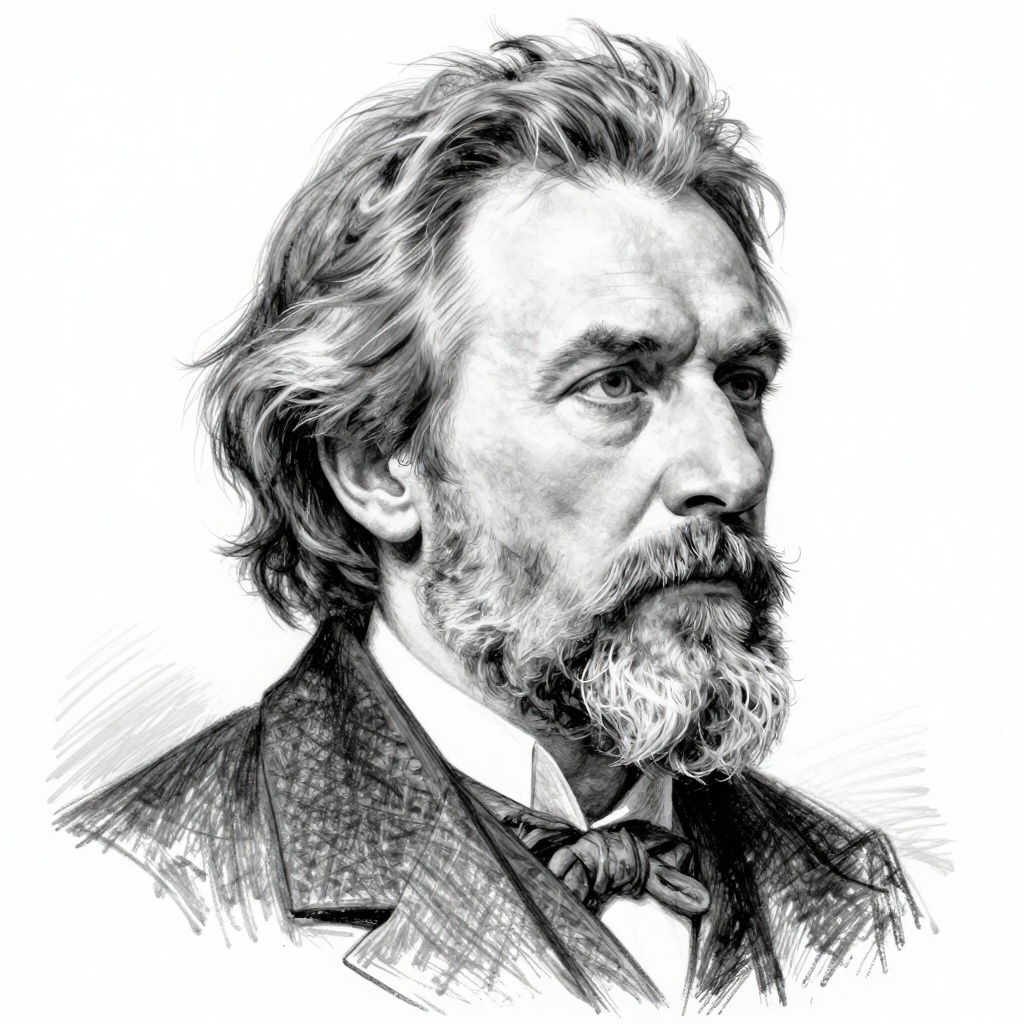
Leo Tolstoy was a renowned Russian writer and philosopher, known for his epic novels "War and Peace" and "Anna Karenina." He is widely regarded as one of the greatest authors in world literature, his works exploring themes of morality, society, and the human experience.
Comments