Quote · Added 5 July 2026
If you want to overcome the whole world, overcome yourself.
No ratings yet
Filed underself·empowerment·resilience
Quote · Added 5 July 2026
Filed underself·empowerment·resilience
Most of us spend our energy trying to control everything around us—convincing others, winning arguments, fixing situations that frustrate us. We treat the world like a problem to solve from the outside. But Dostoyevsky points at something quieter and harder: the real bottleneck isn't out there. It's the gap between who you want to be and who you actually are when nobody's watching.
When you stop battling your own impulses—your tendency to blame, your need to be right, your habit of avoiding difficult conversations—something shifts. You're not suddenly more powerful in the traditional sense. But you become genuinely effective. You make decisions from clarity instead of fear. You listen instead of perform. People sense this and respond differently. Your influence grows not because you're dominating, but because you've stopped wasting energy on your own contradictions.
This doesn't mean becoming perfect or never struggling again. It means the version of you that shows up in the world is actually aligned with your values, not constantly sabotaging itself. That's when you stop feeling like you're swimming upstream everywhere. That's when "overcoming the world" becomes possible—not through force, but through finally being whole enough to move through it effectively.
1821–1881·lived 59 years
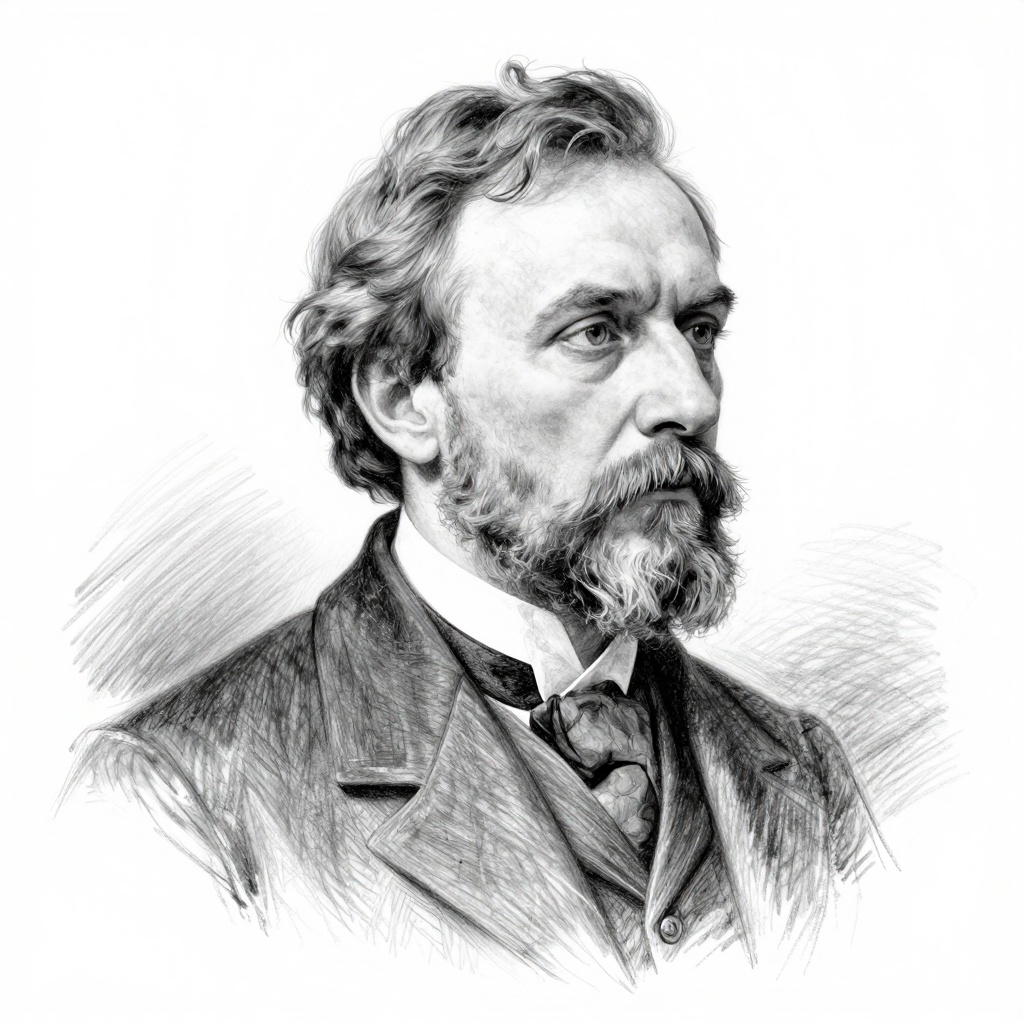
Fyodor Dostoyevsky was a Russian novelist and philosopher, born on November 11, 1821, and died on February 9, 1881. He is renowned for his profound explorations of human psychology and morality in works such as "Crime and Punishment," "The Brothers Karamazov," and "The Idiot." His writings have had a significant influence on literature, psychology, and existential philosophy.
Comments