Quote · Added 17 February 2026
Each person’s task in life is to become an increasingly better person.
No ratings yet
Filed underperson·growth·improvement
Quote · Added 17 February 2026
Filed underperson·growth·improvement
There's something both comforting and unsettling about this idea. Comforting because it suggests that who you are right now isn't fixed—you have room to grow, to change your mind, to become kinder or braver or more honest. Unsettling because it means there's no finish line, no moment where you can finally rest and declare yourself done improving. But that's actually the point.
We live in a culture obsessed with winning, achieving, checking boxes. The danger is treating personal growth the same way—as if you master kindness in your thirties and then coast. Tolstoy saw it differently. Becoming a better person isn't a destination; it's the actual work of living. It's the small choice to listen more carefully in a conversation instead of planning your response. It's reconsidering an old belief when new information challenges it. It's apologizing when you've hurt someone, even when it's hard.
The sneaky wisdom here is that this endless task isn't a burden—it's freedom. It means your past mistakes don't define you. It means you're not locked into who you were last year, or even yesterday. The person you're becoming is still being written.
1828–1910·lived 82 years
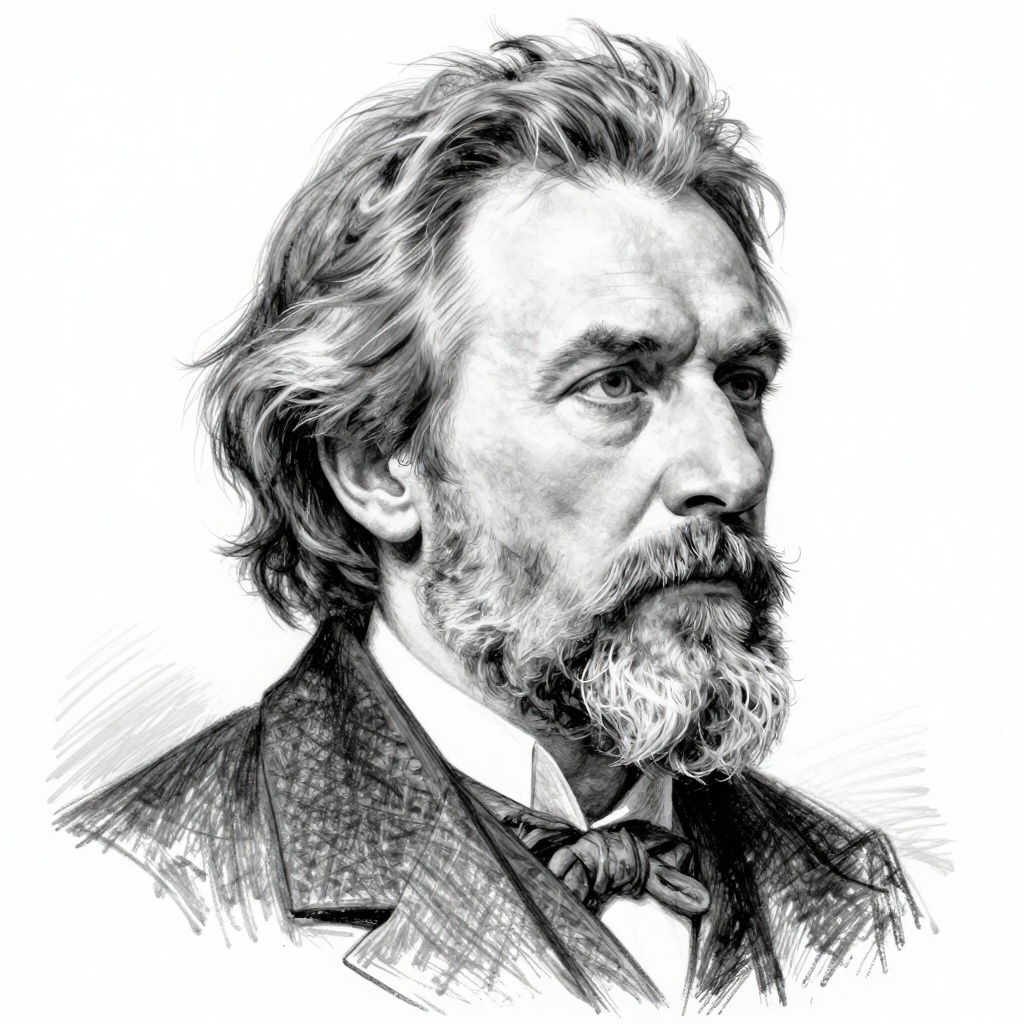
Leo Tolstoy was a renowned Russian writer and philosopher, known for his epic novels "War and Peace" and "Anna Karenina." He is widely regarded as one of the greatest authors in world literature, his works exploring themes of morality, society, and the human experience.
Comments