Quote · Added 1 October 2023
Patience and perseverance have a magical effect before which difficulties disappear and obstacles vanish.
John Quincy AdamsOration at Plymouth, 1802
Filed underpatience·perseverance·strength
Quote · Added 1 October 2023
Filed underpatience·perseverance·strength
We live in a culture that treats patience like a bug, not a feature. Everything moves faster now, and waiting feels like losing. But there's something real happening when you stop fighting the timeline and actually stay with something hard. The obstacles don't disappear because they become easy—they disappear because you stop seeing them as reasons to quit. You just keep going.
The tricky part is that patience without direction can just be stubborn waiting. Real perseverance is different. It's patience aimed at something. You're not just enduring; you're making small moves forward even when nothing dramatic changes. The difficult project, the strained relationship, the skill you're trying to build—these things crack open not in one magical moment, but through accumulated effort that feels almost boring while you're doing it.
What's surprising is how often we fail not because the obstacle was truly impossible, but because we folded right before something would have shifted. We see other people's successes and assume it happened faster for them. It rarely does. Most of the time, they just stayed when we left.
1735–1848·lived 112 years
John Quincy Adams was an American statesman, diplomat, and lawyer who served as the sixth president of the United States from 1825 to 1829. He is known for his work in foreign policy, particularly for negotiating the Treaty of Ghent which ended the War of 1812, and for his strong advocacy for the abolition of slavery.
Also by John Quincy Adams
Try and fail,but don't fail to try.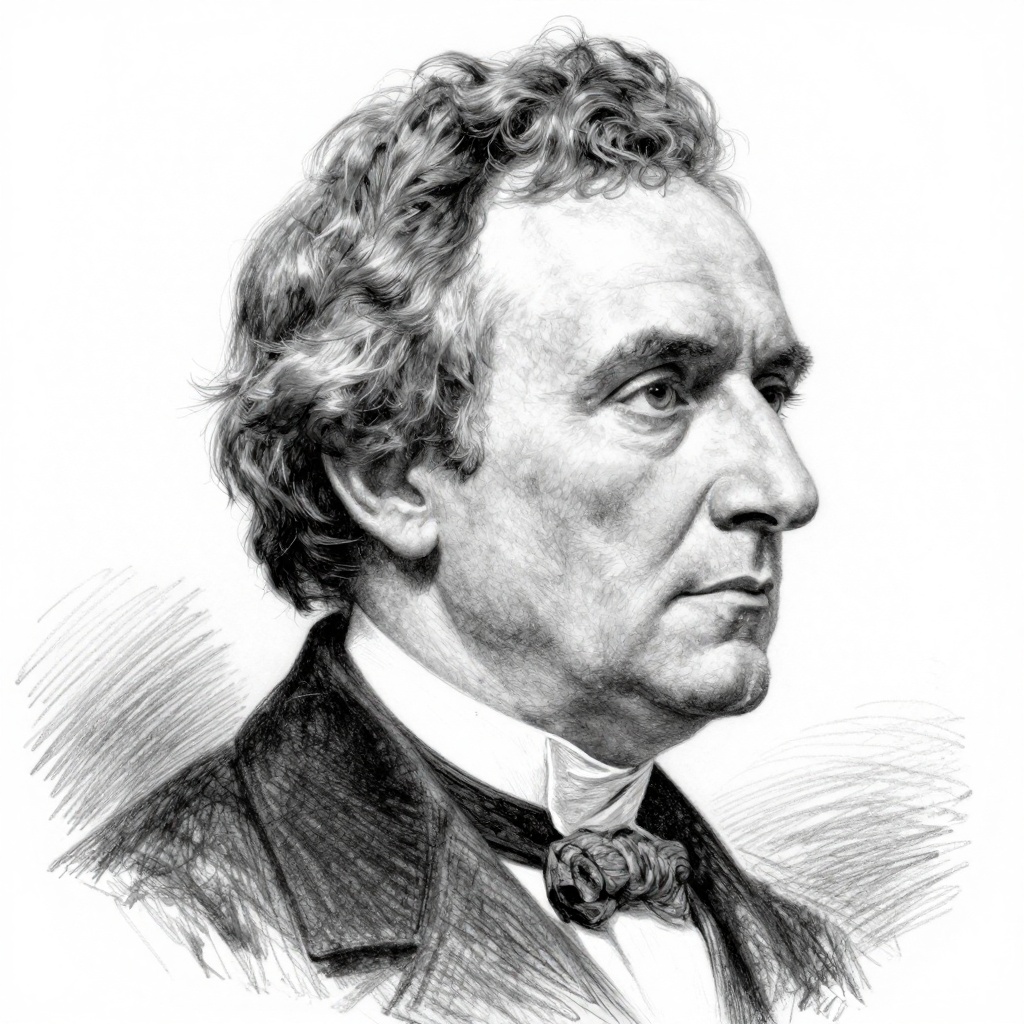
Comments