Quote · Added 15 February 2026
If your actions inspire others to dream more, learn more, do more and become more, you are a leader.
Filed underleadership·inspiration·growth
Quote · Added 15 February 2026
Filed underleadership·inspiration·growth
We often think of leadership as something that happens at the top—a title, a corner office, a microphone. But this framing misses something crucial: the most powerful leaders are often the people who make us believe we're capable of more than we thought. A parent who tackles a hard problem instead of giving up. A coworker who asks thoughtful questions instead of pretending to know everything. A friend who tries something risky and actually learns from failing.
The quiet truth here is that inspiration spreads through example far more than through instruction. When someone around you genuinely grows—pursues something difficult, admits a mistake and bounces back, stays curious—it creates permission for everyone else to do the same. You start thinking, "If they can do that, maybe I can too." Leadership stops being a special thing certain people do and becomes something accessible: simply showing up honestly, trying hard things, and staying open to becoming better.
This reframes leadership not as charisma or authority but as authenticity. You don't need followers or credentials. You just need to live in a way that makes other people around you believe more in themselves. That's the kind of influence that actually changes lives—and it's available to anyone willing to take it seriously.
1735–1848·lived 112 years
John Quincy Adams was an American statesman, diplomat, and lawyer who served as the sixth president of the United States from 1825 to 1829. He is known for his work in foreign policy, particularly for negotiating the Treaty of Ghent which ended the War of 1812, and for his strong advocacy for the abolition of slavery.
Also by John Quincy Adams
Try and fail,but don't fail to try.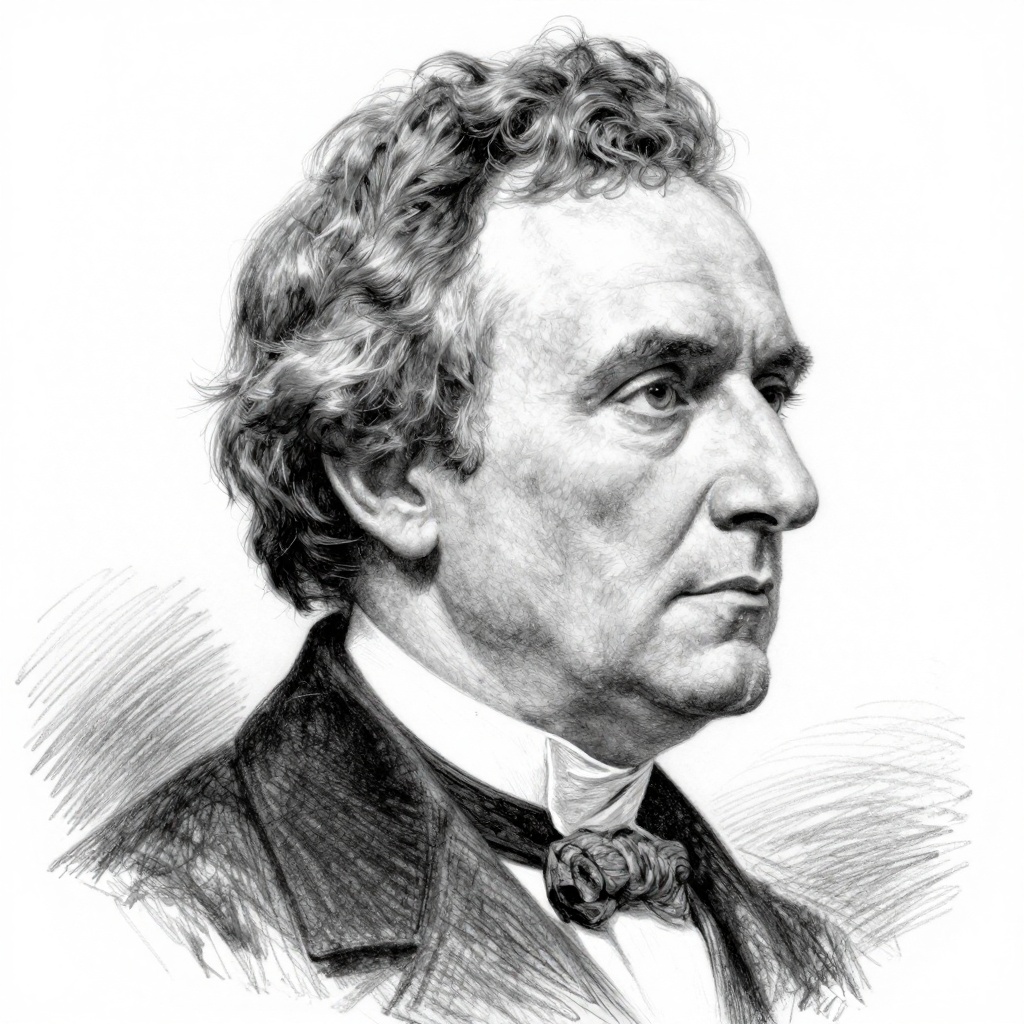
Comments