Quote · Added 14 February 2026
Reading
AI generatedGratitude that crowds out everything else
There's something almost physical about real gratitude—the way it can actually fill you up and crowd out everything else. You know the feeling: when someone does something genuinely meaningful for you, or you realize how lucky you are in some specific way, and suddenly the worry that was consuming you ten minutes ago feels smaller. Your chest loosens. You're not thinking about your to-do list anymore.
What makes this observation interesting is how it cuts against the modern idea that we should always be balanced, always hold multiple perspectives at once. Adams is suggesting that authentic gratitude doesn't work that way—it's not polite or measured. It's overwhelming. It takes over. And maybe that's exactly when it's most real and most transformative. The shallow version of gratitude, the kind we list off mechanically, leaves plenty of room for resentment and anxiety right alongside it. But the genuine article—the kind that actually possesses you—rewires your whole emotional landscape, at least for a while.
The practical insight here is that gratitude might work best when we stop trying to feel it mildly and let ourselves feel it fully. Not as another task on our wellness checklist, but as something we actually surrender to.
The author
All 4 quotes by John Quincy Adams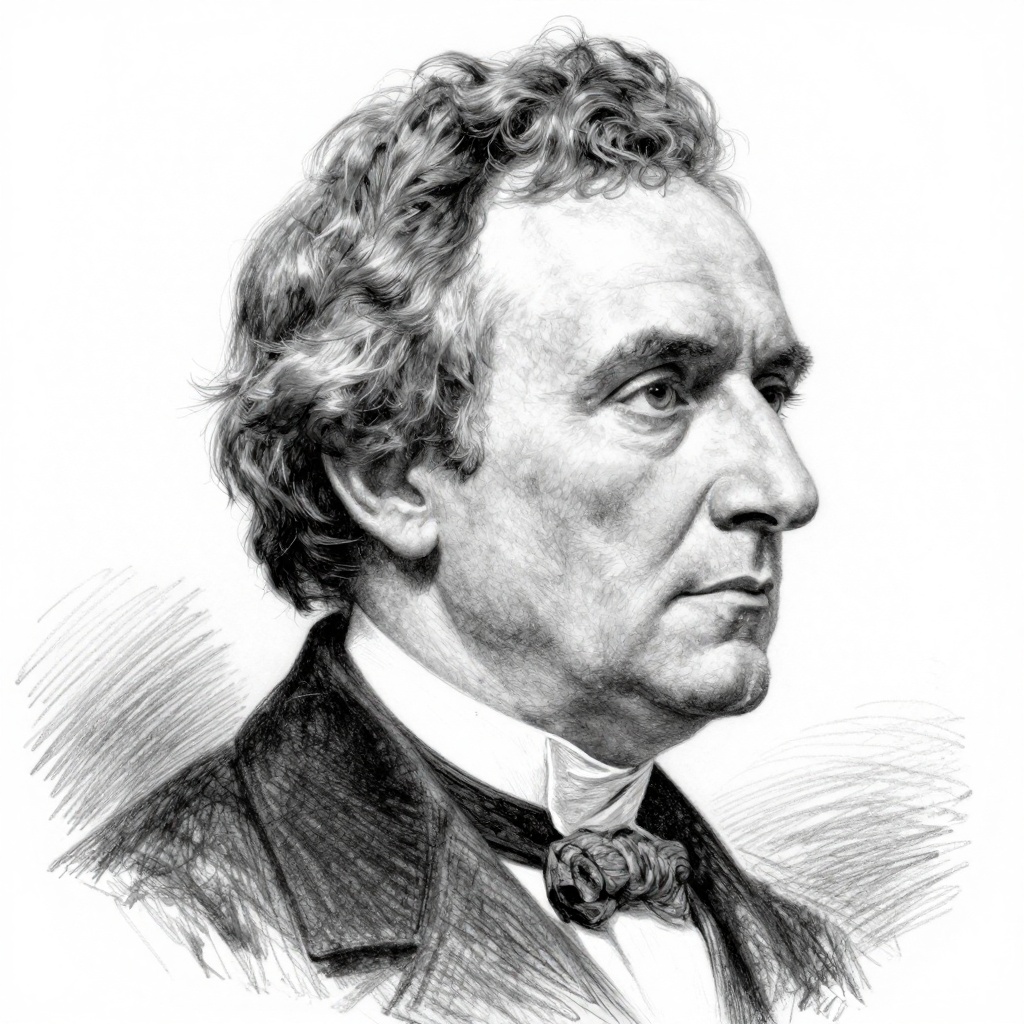
John Quincy Adams
1735–1848·lived 112 years
John Quincy Adams was an American statesman, diplomat, and lawyer who served as the sixth president of the United States from 1825 to 1829. He is known for his work in foreign policy, particularly for negotiating the Treaty of Ghent which ended the War of 1812, and for his strong advocacy for the abolition of slavery.
Also by John Quincy Adams
Try and fail,but don't fail to try.
Comments