Quote · Added 14 February 2026
No man's knowledge here can go beyond his experience.
John LockeAn Essay Concerning Human Understanding, Book II, 1689
Filed underknowledge·experience·limits
Quote · Added 14 February 2026
Filed underknowledge·experience·limits
We live in an age of infinite information, yet this centuries-old observation cuts right through it. You can read about heartbreak, parenting, or failure all you want, but until you've actually lived through it, something crucial stays abstract. There's a gap between knowing about something and knowing it in your bones—and that gap matters more than we admit when we're scrolling through expert takes and confident hot takes online.
The tricky part is that we forget this. We consume so much curated experience—documentaries, memoirs, think pieces—that we start feeling like we understand lives we've never touched. Someone can articulate perfectly why they're struggling with anxiety, and we nod along, thinking we get it. But understanding the words isn't the same as understanding the weight. Locke's point isn't anti-learning; it's a reminder that real knowledge has texture. It comes from showing up, failing, adjusting, feeling the consequences.
This actually frees you. It means you don't need to have done everything to think clearly about life. But it also means respecting the limits of your own judgment, and listening differently to people whose experience you don't share. Your knowledge is real and valuable—but so is knowing where its edges are.
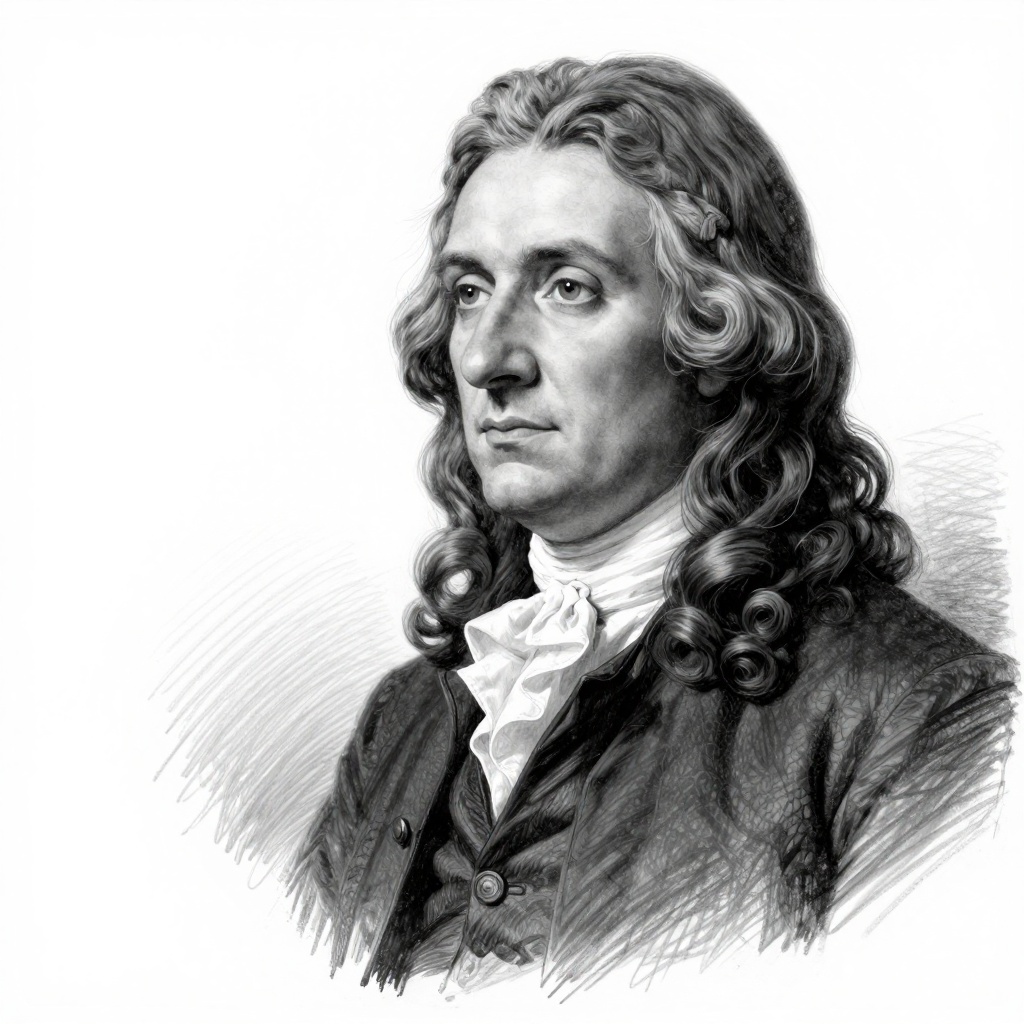
1632–1704·lived 72 years
John Locke (1632–1704) was an English philosopher and physician known as the "Father of Liberalism." He is renowned for his contributions to political theory, particularly his ideas on natural rights, social contract, and the concept of tabula rasa, which posits that individuals are born with a blank slate and shaped by their experiences.
Comments