Quote · Added 14 February 2026
The discipline of desire is the background of character.
John LockeSome Thoughts Concerning Education, 1693
Filed underdesire·character·discipline
Quote · Added 14 February 2026
Filed underdesire·character·discipline
We live in a world that tells us desire is something to follow, not to manage. The algorithm shows you what you want, the ad whispers what you're missing, the culture celebrates indulgence. But Locke is pointing at something quieter and more powerful: character isn't built by having strong wants—it's built by the invisible work of not acting on every one.
This shows up everywhere if you pay attention. The person who stays patient in traffic, who doesn't lash out when insulted, who doesn't buy things they can't afford—they're not naturally better people. They've simply practiced the small muscle of delay, of choosing something other than their immediate impulse. That's the discipline he means. It's less about heroic self-denial and more about the thousand tiny moments where you notice what you want and decide what matters more.
The twist is that this kind of discipline actually makes you free, not confined. The person who can't manage their desires is constantly being pulled around by circumstances. But someone who's practiced saying no to themselves—who can want something and choose differently—moves through life with real agency. That's when you start building the kind of character that survives difficult moments.
1632–1704·lived 72 years
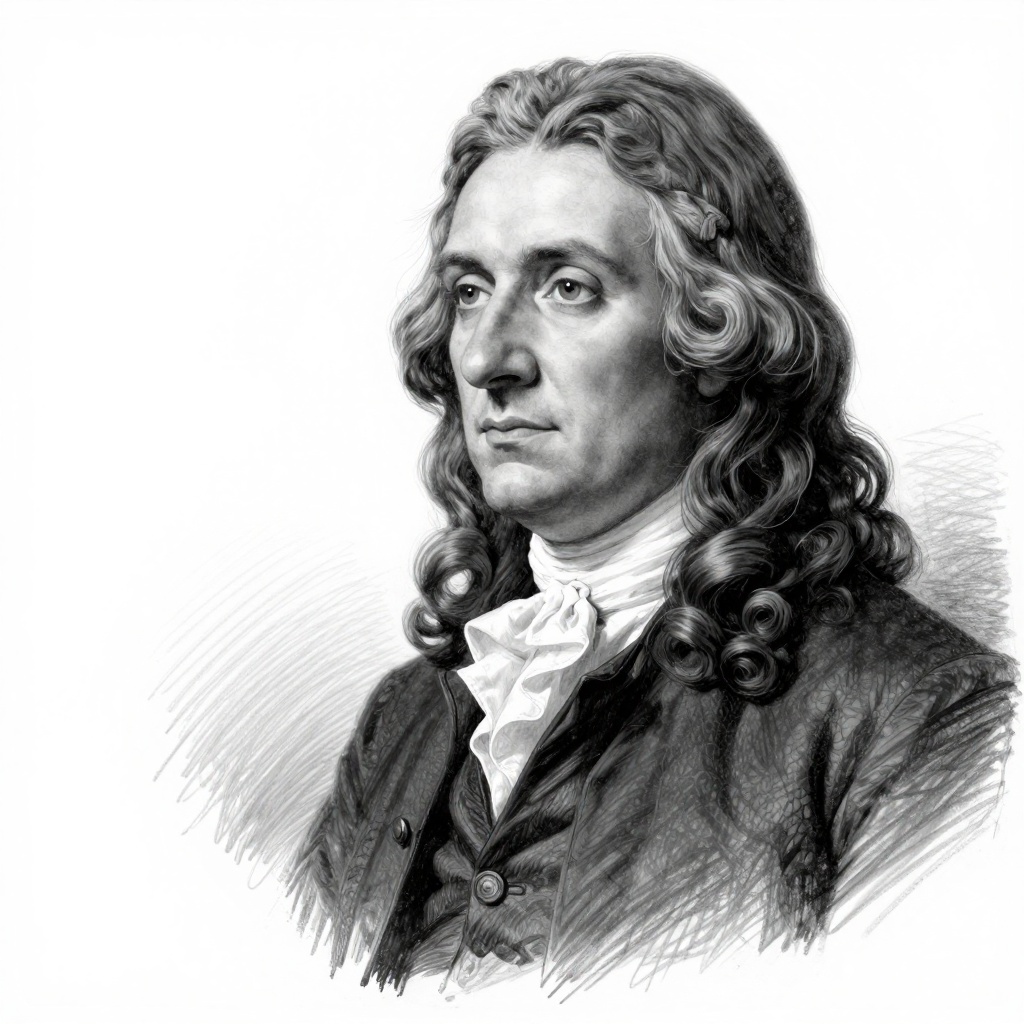
John Locke (1632–1704) was an English philosopher and physician known as the "Father of Liberalism." He is renowned for his contributions to political theory, particularly his ideas on natural rights, social contract, and the concept of tabula rasa, which posits that individuals are born with a blank slate and shaped by their experiences.
Comments