Quote · Added 15 February 2026
Our incomes are like our shoes; if too small, they gall and pinch us; but if too large, they cause us to stumble and to trip.
Filed underincome·balance·discomfort
Quote · Added 15 February 2026
Filed underincome·balance·discomfort
Money that's too tight creates obvious stress—the bills pile up, you skip meals, you stay up calculating. But there's something Locke understood that we often miss: having too much can be just as destabilizing, just in different ways. When your income suddenly balloons, you don't automatically become happier or more stable. Instead, you face new pressures: unexpected tax complications, relationships shifting around your newfound wealth, the paralysis of too many choices about what to do with it all.
The shoe metaphor captures something real about fit. A shoe has to match not just the size of your foot, but your actual life. Someone making $40,000 who's learned to live well within that might feel genuinely grounded, while someone making $400,000 but trying to maintain a lifestyle that requires $500,000 stumbles constantly. The real trick isn't reaching some magic income number—it's achieving alignment between what you make and how you actually live.
This is why sudden wealth often destabilizes people more than we'd expect. The problem isn't the money itself; it's the mismatch between your habits and your resources. Getting that proportion right, whatever your actual income, might matter more than the number itself.
1632–1704·lived 72 years
John Locke (1632–1704) was an English philosopher and physician known as the "Father of Liberalism." He is renowned for his contributions to political theory, particularly his ideas on natural rights, social contract, and the concept of tabula rasa, which posits that individuals are born with a blank slate and shaped by their experiences.
Also by John Locke
The discipline of desire is the background of character.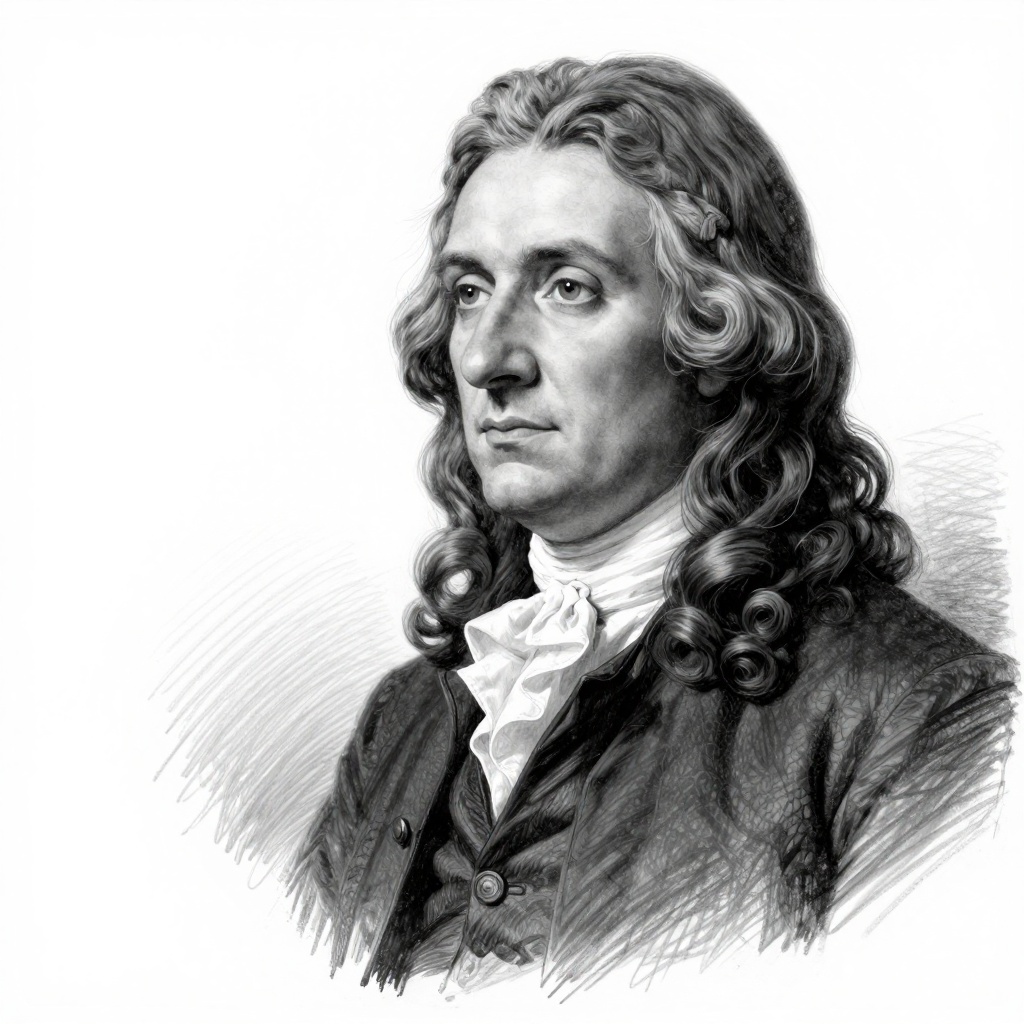
Comments