Quote · Added 14 February 2026
Fortitude is the guard and support of the other virtues.
John LockeAn Essay Concerning Human Understanding, p. 123, 1690
Quote · Added 14 February 2026
We often think of courage as something flashy—standing up to a bully, facing a fear head-on. But Locke points to something quieter and more fundamental: the steady strength to actually live by what you claim to believe. Fortitude is what keeps kindness from becoming people-pleasing, honesty from becoming cruelty, and patience from becoming passivity. Without it, your virtues are just nice ideas you abandon the moment they cost something.
The overlooked part is how personal and internal this gets. You might genuinely want to be generous, but generosity crumbles without the fortitude to say no sometimes. You might value integrity, but it evaporates when facing social pressure or professional consequences. Fortitude isn't about dramatic moments—it's about the small, repeated choices to stick with what matters when it would be easier to drift or compromise.
This matters precisely because modern life is designed to wear down consistency. You're pulled in endless directions, offered endless shortcuts, shown endless reasons to lower the bar just a little. The virtues everyone admires—honesty, kindness, fairness—don't survive without something holding them up. That something is fortitude: the unglamorous backbone that turns good intentions into an actual life.
1632–1704·lived 72 years
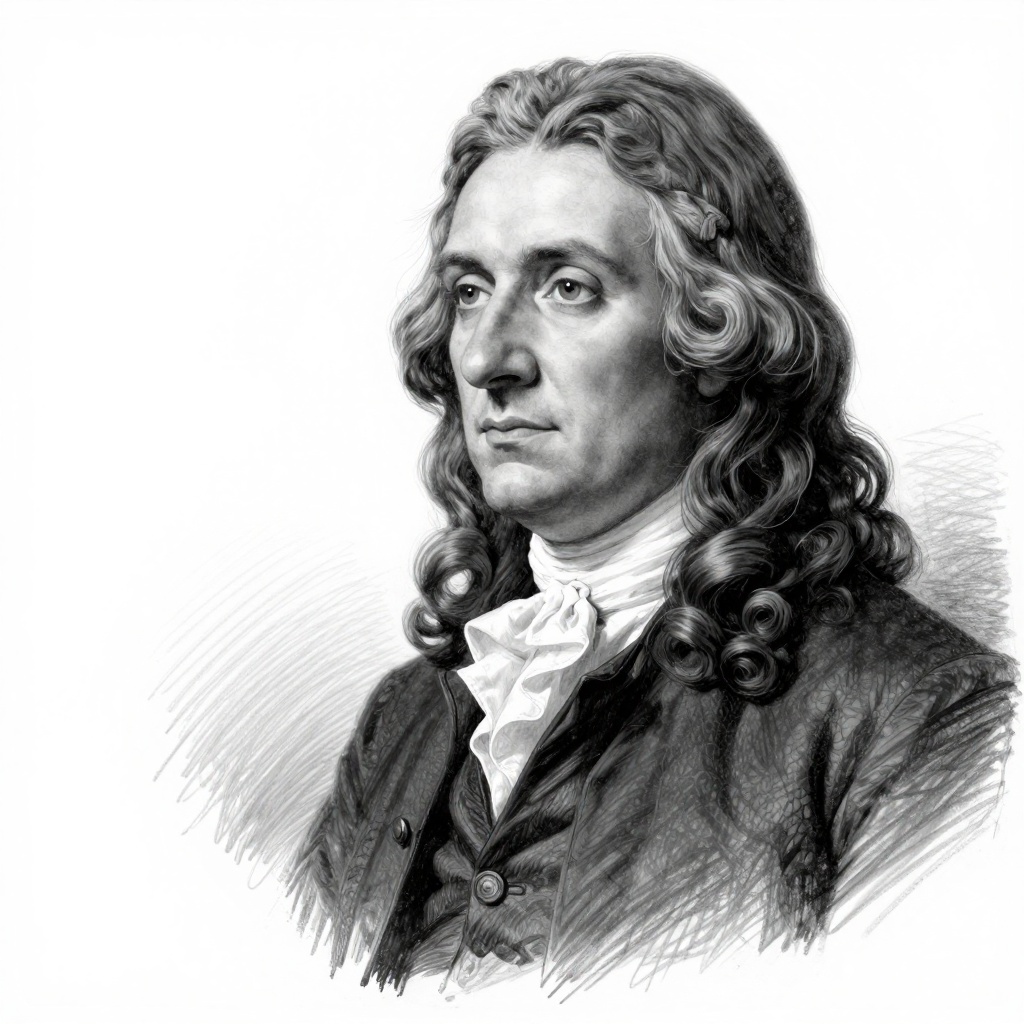
John Locke (1632–1704) was an English philosopher and physician known as the "Father of Liberalism." He is renowned for his contributions to political theory, particularly his ideas on natural rights, social contract, and the concept of tabula rasa, which posits that individuals are born with a blank slate and shaped by their experiences.
Comments