Quote · Added 14 February 2026
The excellency of every art is its intensity, capable of making all disagreeable evaporate.
John KeatsLetters of John Keats, Letter to Benjamin Bailey, 1817
Filed underart·intensity·transcendence
Quote · Added 14 February 2026
Filed underart·intensity·transcendence
There's something almost magical about watching someone do what they're genuinely good at. A musician loses herself in a difficult passage, a carpenter studying how wood grain flows, a parent telling a story that holds a room full of kids captive—in those moments, the friction disappears. The exhaustion, the self-doubt, the background noise of daily frustration just evaporates. Keats understood that real skill isn't about perfection or polish; it's about that focused intensity where you care so much about getting it right that nothing else intrudes.
What makes this relevant now isn't nostalgia for craftsmanship—it's that we live in a world of distraction, where we're often half-present at everything. We mistake busyness for intensity. But intensity is different. It's what happens when you actually concentrate on something hard enough that it becomes absorbing. You stop scrolling, stop worrying about how you look, stop performing. You're just in it.
The surprise here is that this isn't really about talent or natural ability. It's about attention itself—the decision to care deeply about something specific. That kind of focus is becoming rarer, which probably means it's becoming more valuable, both for the person doing the work and everyone who gets to experience it.
1795–1821·lived 25 years
John Keats was an English Romantic poet known for his intense and vivid imagery, sensual language, and exploration of beauty and loss. Despite his early death at the age of 25, his works, including "Ode to a Nightingale" and "Ode on a Grecian Urn," have secured him as one of the greatest poets in the English language.
Also by John Keats
The poetry of the earth is never dead.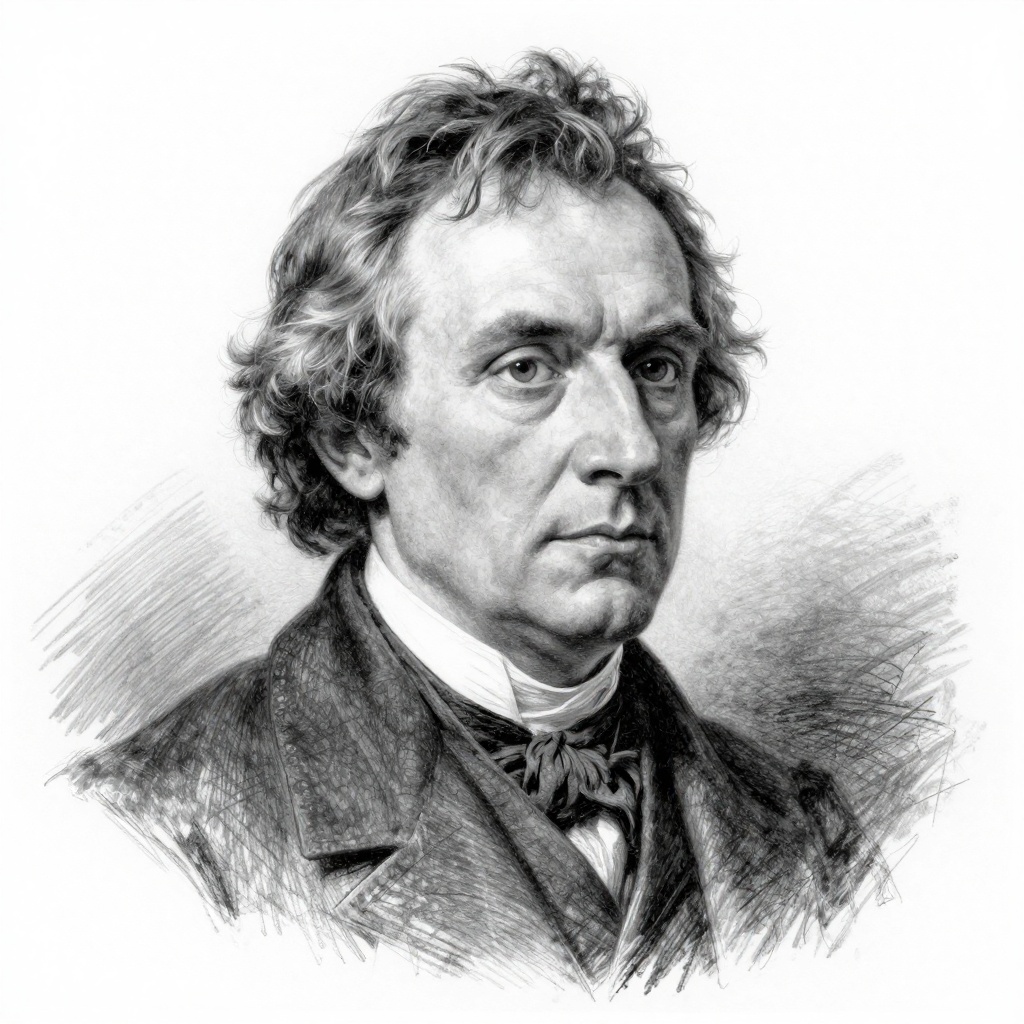
Comments