Quote · Added 9 February 2026
Nothing ever becomes real till it is experienced.
John KeatsLetters of John Keats, p. 75, 1848
Filed underexperience·reality·perception
Quote · Added 9 February 2026
Filed underexperience·reality·perception
We know this in our bones but keep forgetting it. You can read about what grief feels like, watch videos about it, hear a thousand stories—and still be utterly unprepared the first time loss actually lands on you. The understanding doesn't live in your head until your body knows it. Same with joy, exhaustion, love, embarrassment, or even just how good cold water tastes on a hot day. There's a gap between knowing and knowing, and experience is the only thing that closes it.
This matters because we live in an age of endless information. We can consume other people's experiences constantly—their travel photos, their confessions, their advice—yet still feel untouched by real understanding. We mistake watching for doing, reading for living. But Keats is right that something fundamental only clicks when it's yours to feel.
The non-obvious part? This also means you can't fully understand someone else's experience no matter how much they explain it. All you can do is trust them and stay curious. And for yourself, it means the only way to actually grow isn't through more input—it's through more living, more trying, more stumbling around in the real world. That's where reality happens.
1795–1821·lived 25 years
John Keats was an English Romantic poet known for his intense and vivid imagery, sensual language, and exploration of beauty and loss. Despite his early death at the age of 25, his works, including "Ode to a Nightingale" and "Ode on a Grecian Urn," have secured him as one of the greatest poets in the English language.
Also by John Keats
The poetry of the earth is never dead.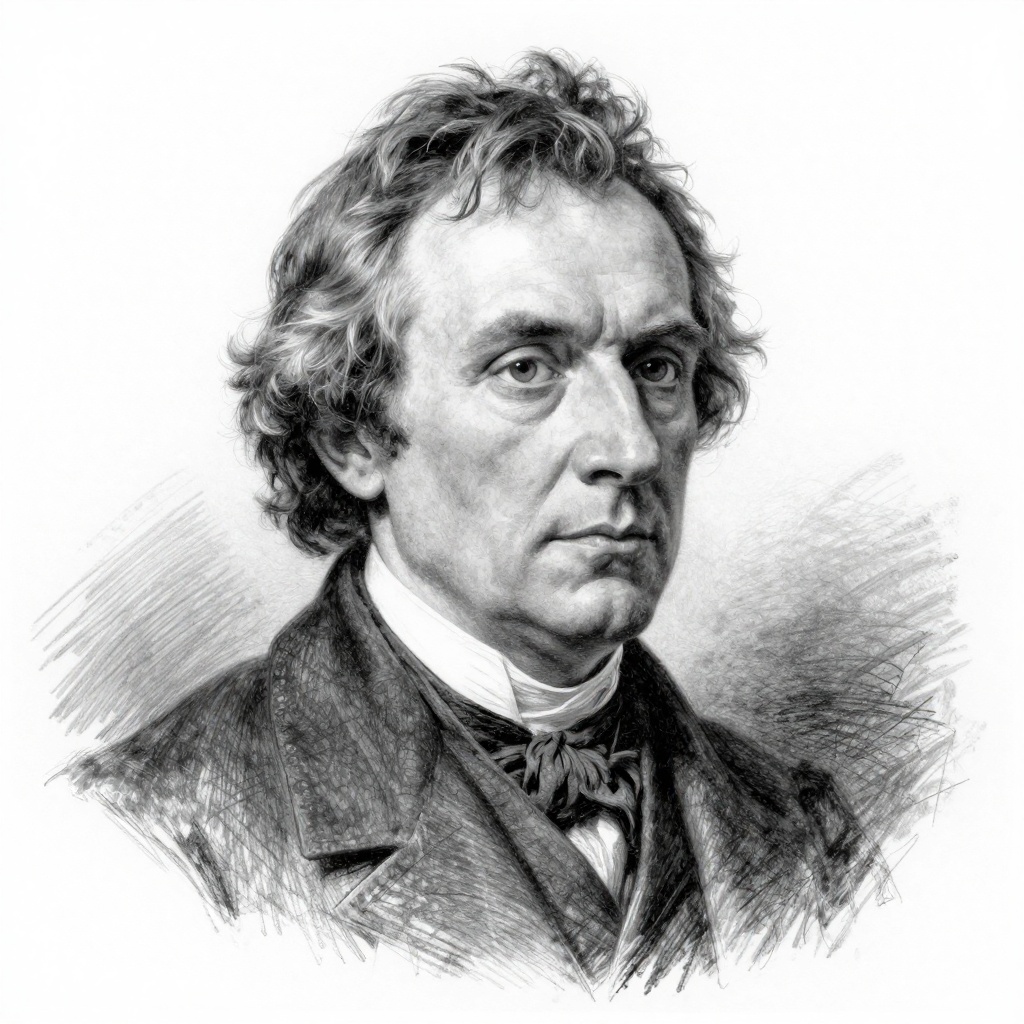
Comments