Quote · Added 7 March 2026
Reading
AI generatedBeauty never stops—we do
There's something we lose when we stop noticing things. A walk becomes just transportation. A rainy afternoon becomes an inconvenience. We move through the world on autopilot, treating nature as background scenery instead of the constantly unfolding story it actually is. Keats is reminding us that this beauty—the way light moves through leaves, how a single raindrop catches the sun, the particular smell of soil after rain—never stops happening. It's always there, always alive, always making meaning. The question is whether we're paying attention.
The trick is that this "poetry" isn't some rare, mystical thing reserved for special moments or mountain vistas. It's in your backyard after a snow. It's in the crack where grass pushes through concrete. It's in the unremarkable Tuesday morning if you actually look at it. The real shift happens when you realize that noticing these things isn't a break from real life—it's actually when life becomes real. When you slow down enough to see the world clearly, even for ten seconds, something settles inside you. The earth's poetry is never dead because it's constantly being written. The only question is whether we'll read it.
The author
All 5 quotes by John Keats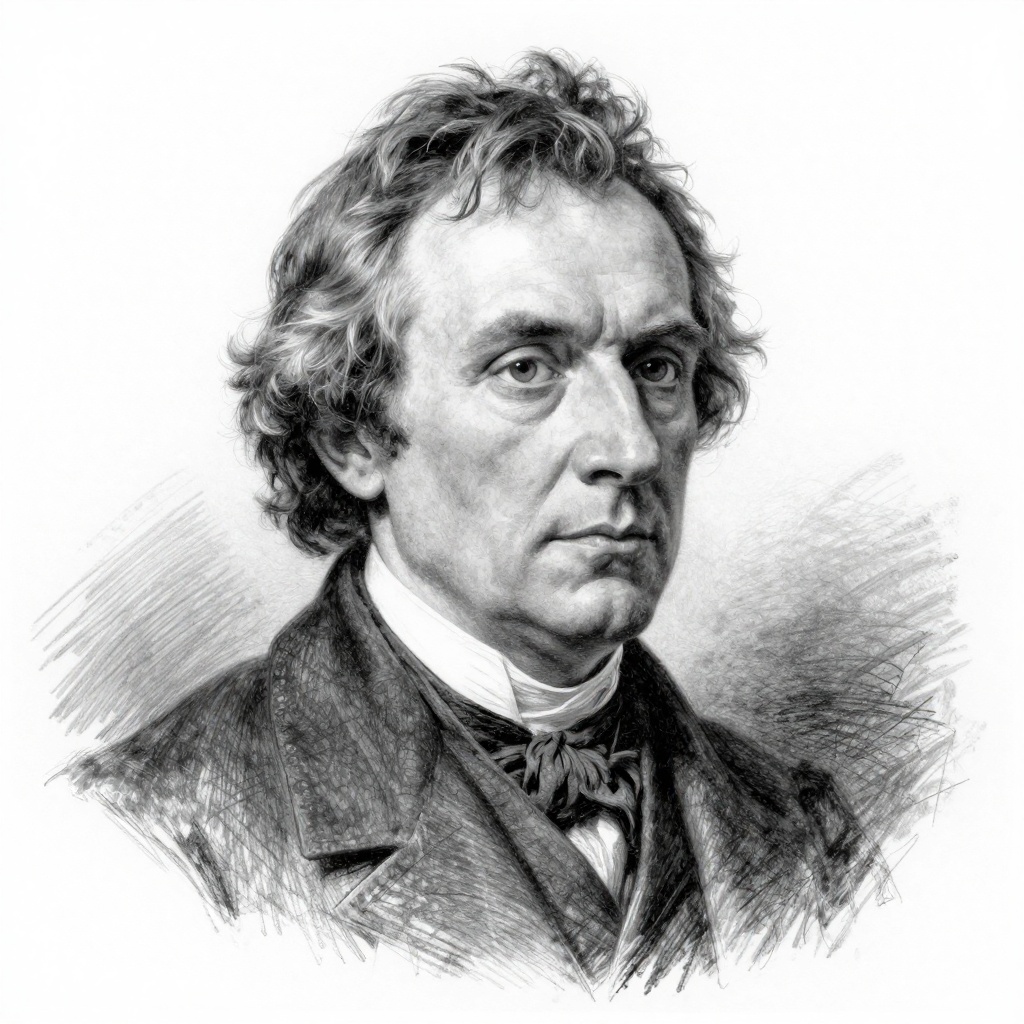
John Keats
1795–1821·lived 25 years
John Keats was an English Romantic poet known for his intense and vivid imagery, sensual language, and exploration of beauty and loss. Despite his early death at the age of 25, his works, including "Ode to a Nightingale" and "Ode on a Grecian Urn," have secured him as one of the greatest poets in the English language.
Comments