Quote · Added 14 February 2026
A thing of beauty is a joy forever: its loveliness increases; it will never pass into nothingness.
John KeatsEndymion, Book I, 1818
Quote · Added 14 February 2026
There's something counterintuitive about this idea once you really sit with it. We live in a world obsessed with newness, where trends cycle in weeks and we're always chasing the next thing. Yet anyone who's ever come back to a favorite song, painting, or place knows Keats is onto something real. Beautiful things don't wear out the way we expect them to. That song you loved at sixteen still hits differently than whatever's playing on the algorithm today. The loveliness actually does seem to deepen rather than fade.
The practical insight here is about what lasts in a cluttered life. We accumulate so much stuff, consume endless content, but most of it vanishes without trace. The things that genuinely move us—a poem, a view, a piece of music—gain weight over time instead of losing it. They become woven into who we are. This suggests maybe we're chasing the wrong measure of value. Instead of asking "is this new?" we might ask "is this true?" or "does this make me feel alive?" Because those are the things that compound, that keep giving back to us long after we first encounter them.
1795–1821·lived 25 years
John Keats was an English Romantic poet known for his intense and vivid imagery, sensual language, and exploration of beauty and loss. Despite his early death at the age of 25, his works, including "Ode to a Nightingale" and "Ode on a Grecian Urn," have secured him as one of the greatest poets in the English language.
Also by John Keats
The poetry of the earth is never dead.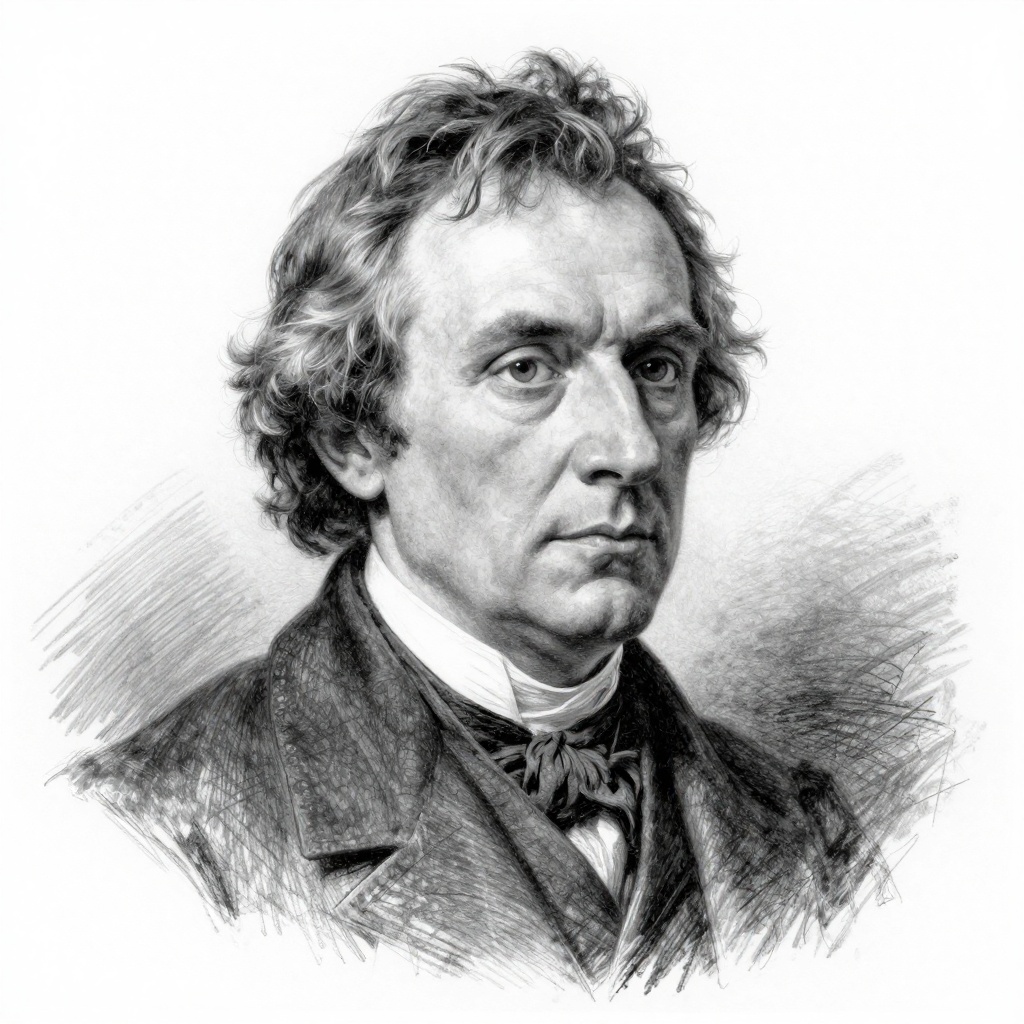
Comments