Quote · Added 8 February 2026
My 'fear' is my substance, and probably the best part of me.
John KeatsWhen I Have Fears that I May Cease to Be, Poems, Academy of American Poets
Quote · Added 8 February 2026
There's something counterintuitive about claiming your fear as your best quality. But Keats is onto something most of us miss: the things that make us anxious often point directly to what we actually care about. Your fear of failing at something reveals what matters to you. Your anxiety in a relationship shows you value the person. Your worry about doing mediocre work proves you have standards. Strip away the fear, and you might also strip away the thing that makes you reach, grow, and stay honest.
This matters especially now, when we're taught to optimize our way to confidence, to fake it until we make it. But the discomfort Keats describes isn't something to overcome and discard like yesterday's mood—it's fuel. It's what keeps you from becoming complacent or cruel or small. The person who never feels afraid of letting people down is the one who usually does. The writer who isn't terrified of writing something boring probably is.
The paradox is that acknowledging fear as part of your substance makes it less paralyzing. You stop fighting it as an enemy and start recognizing it as a signal. It's not the whole of you, but it's often the best part: the part that refuses to settle.
1795–1821·lived 25 years
John Keats was an English Romantic poet known for his intense and vivid imagery, sensual language, and exploration of beauty and loss. Despite his early death at the age of 25, his works, including "Ode to a Nightingale" and "Ode on a Grecian Urn," have secured him as one of the greatest poets in the English language.
Also by John Keats
The poetry of the earth is never dead.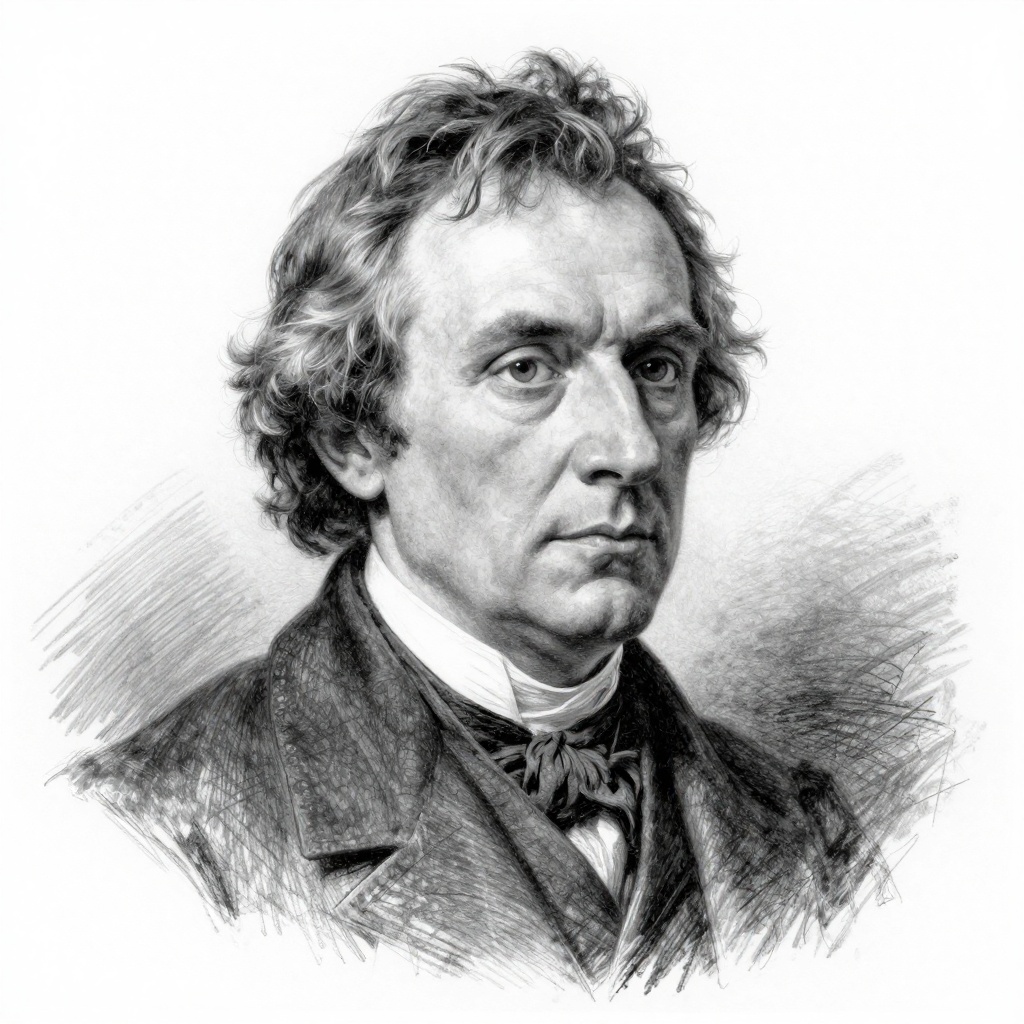
Comments