Quote · Added 14 February 2026
Peace hath higher tests of manhood, than battle ever knew.
John Greenleaf WhittierThe Complete Poetical Works of John Greenleaf Whittier/The Hero
Quote · Added 14 February 2026
We often think of courage as something that explodes outward—the dramatic choice made in a moment of crisis. But Whittier points to something harder: the quiet discipline of staying peaceful when you're angry, of holding your ground without throwing a punch, of letting someone be wrong without needing to prove them wrong. These require a different kind of strength altogether, one that doesn't announce itself.
The real test shows up in everyday friction. It's harder to apologize than to defend yourself. It's harder to listen to criticism without immediately countering. It's harder to watch injustice and respond with patience and strategy rather than rage. Peace demands you know exactly what you believe while resisting the urge to force it on others—a balance that takes genuine maturity.
What makes this unsettling is that society often gives more credit to the dramatic stand, the heated argument won, the enemy defeated. But Whittier suggests the person who can stay centered, who can disagree without contempt, who can be firm without being cruel—that person has passed a test that requires more from them. In a world that rewards being fired up, choosing peace is the harder courage.
1807–1892·lived 84 years
John Greenleaf Whittier was an American poet and abolitionist born on December 17, 1807, in Haverhill, Massachusetts. He is best known for his advocacy against slavery and his influential poetry, such as "Snow-Bound," which reflects rural life and the Quaker values he held dear. Whittier was a prominent member of the anti-slavery movement and his literary work often conveyed moral and social messages. He passed away on September 7, 1892.
Also by John Greenleaf Whittier
Of all sad words of tongue or pen, the saddest are these, 'It might have been.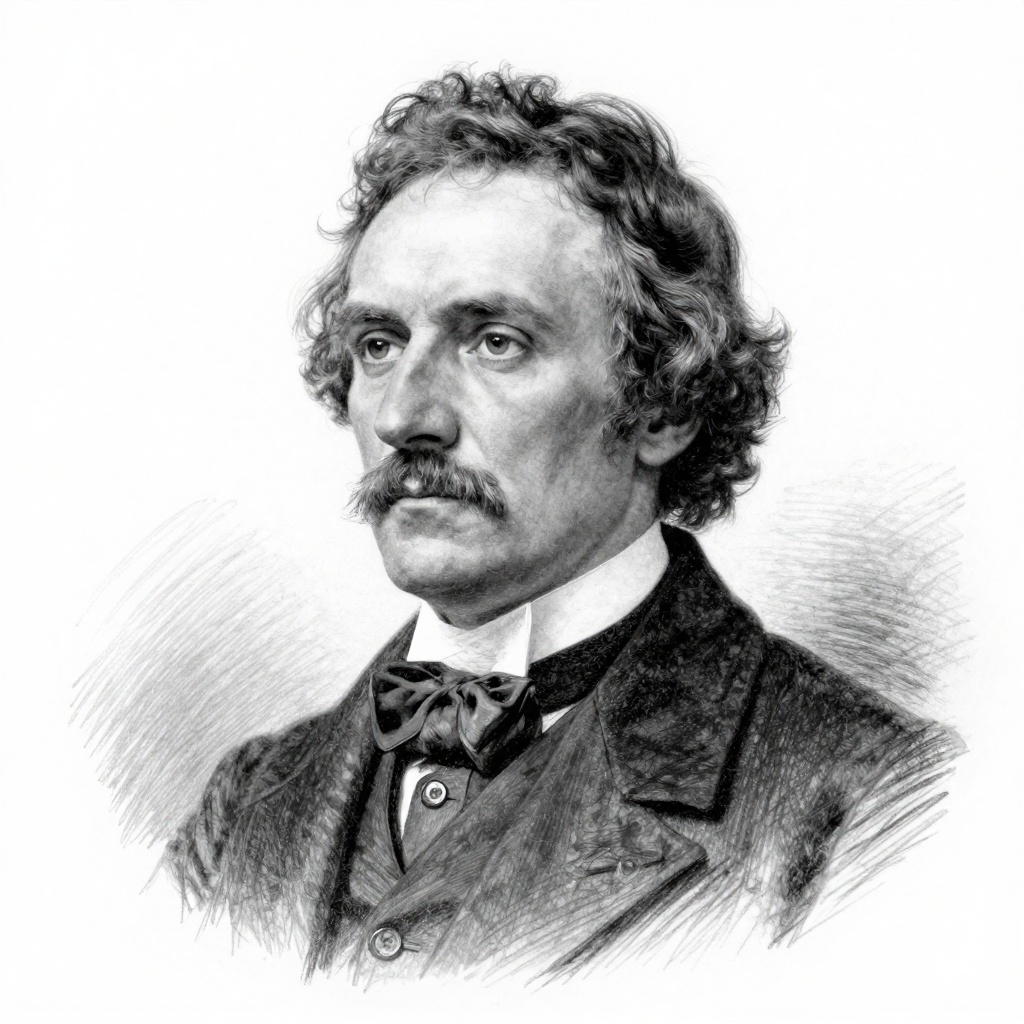
Comments