Quote · Added 15 February 2026
Of all sad words of tongue or pen, the saddest are these, 'It might have been.
Filed underregret·sadness·reflection
Quote · Added 15 February 2026
Filed underregret·sadness·reflection
There's a peculiar kind of suffering that comes not from what actually happened, but from what you convinced yourself could have happened if only. A relationship that ended. A job you didn't apply for. The conversation you rehearsed a hundred times but never had. The grief here is strange because you're mourning something that never existed, which somehow makes it harder to process than real loss.
What Whittier captured is how "it might have been" keeps us trapped in a parallel life that competes with the actual one we're living. You replay the moment you could have said yes, taken the risk, stayed instead of left. And the longer you dwell there, the more real it becomes in your mind—sometimes more vivid than the actual choices you made. It's the regret that has no closure because you never have to reckon with the consequences; you just have to live with the weight of infinite possibility.
The phrase cuts so deep partly because it reveals our deepest fears about ourselves: that we're not brave enough, not enough, good enough. But here's the thing worth sitting with: what might have been often looks perfect only from a distance. The actual path, messy as it was, taught you something the imagined one never could have. That doesn't erase the sadness, but it might be worth considering alongside it.
1807–1892·lived 84 years
John Greenleaf Whittier was an American poet and abolitionist born on December 17, 1807, in Haverhill, Massachusetts. He is best known for his advocacy against slavery and his influential poetry, such as "Snow-Bound," which reflects rural life and the Quaker values he held dear. Whittier was a prominent member of the anti-slavery movement and his literary work often conveyed moral and social messages. He passed away on September 7, 1892.
Also by John Greenleaf Whittier
When faith is lost, when honor dies, the man is dead.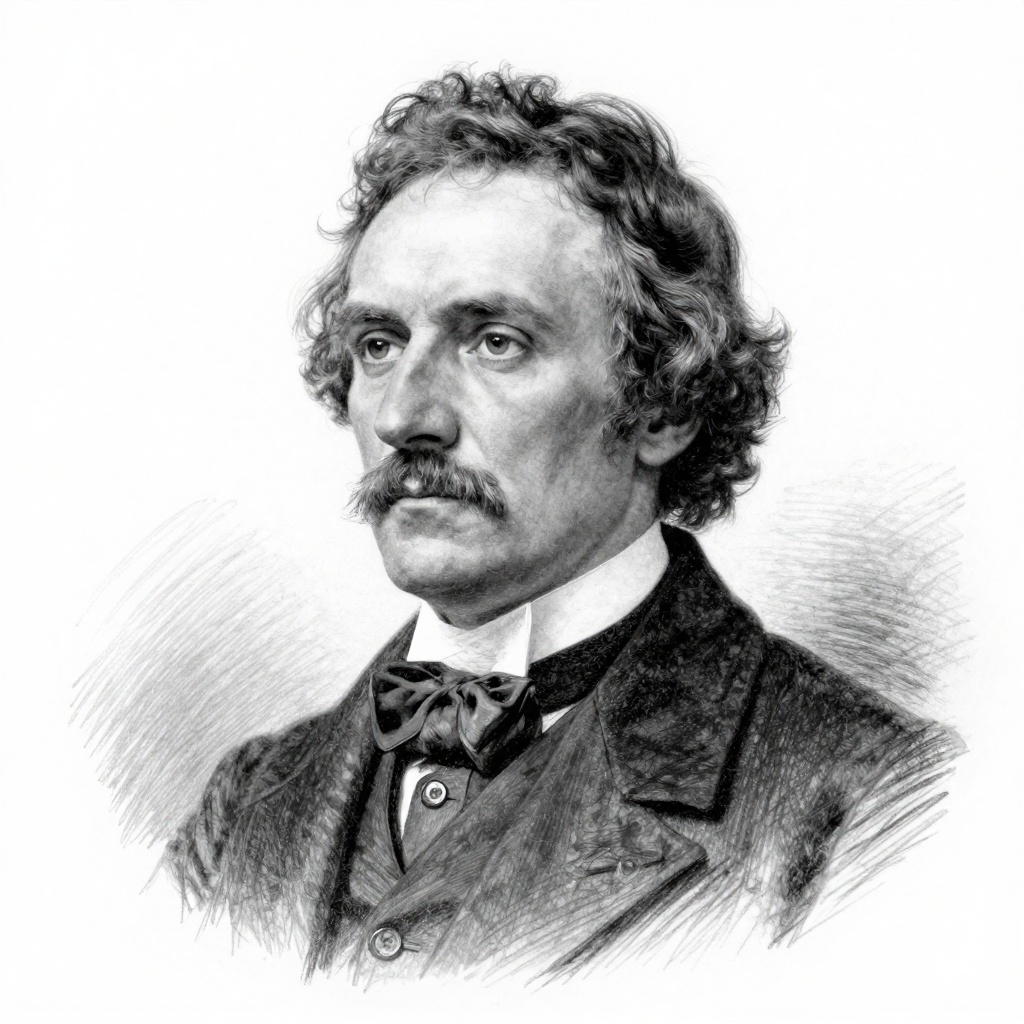
Comments