Quote · Added 14 February 2026
When faith is lost, when honor dies, the man is dead.
John Greenleaf WhittierIchabod, 1850
Quote · Added 14 February 2026
There's something unsettling about this quote because it suggests that being alive isn't enough—that you can walk around, talk, earn money, and still be fundamentally dead. Most of us think of death as a physical event. But Whittier is pointing at something psychological: the person who has abandoned their own values or sense of integrity has already lost the thing that made them real.
We see this play out in smaller ways all the time. Someone stays in a job that violates their principles, tells themselves it's temporary, and gradually stops recognizing themselves in the mirror. Or someone betrays a friend to fit in, then wonders why nothing feels solid anymore. The specific faith or honor doesn't matter as much as the fact that you knew what mattered to you and then let it go anyway. That disconnect—between who you said you were and what you actually do—creates a kind of living emptiness.
The tricky part is that rebuilding faith and honor isn't as simple as deciding to be brave tomorrow. It requires noticing where you've already compromised, which means sitting with some real discomfort first. But that uncomfortable reckoning is also proof you're still alive enough to care.
1807–1892·lived 84 years
John Greenleaf Whittier was an American poet and abolitionist born on December 17, 1807, in Haverhill, Massachusetts. He is best known for his advocacy against slavery and his influential poetry, such as "Snow-Bound," which reflects rural life and the Quaker values he held dear. Whittier was a prominent member of the anti-slavery movement and his literary work often conveyed moral and social messages. He passed away on September 7, 1892.
Also by John Greenleaf Whittier
Of all sad words of tongue or pen, the saddest are these, 'It might have been.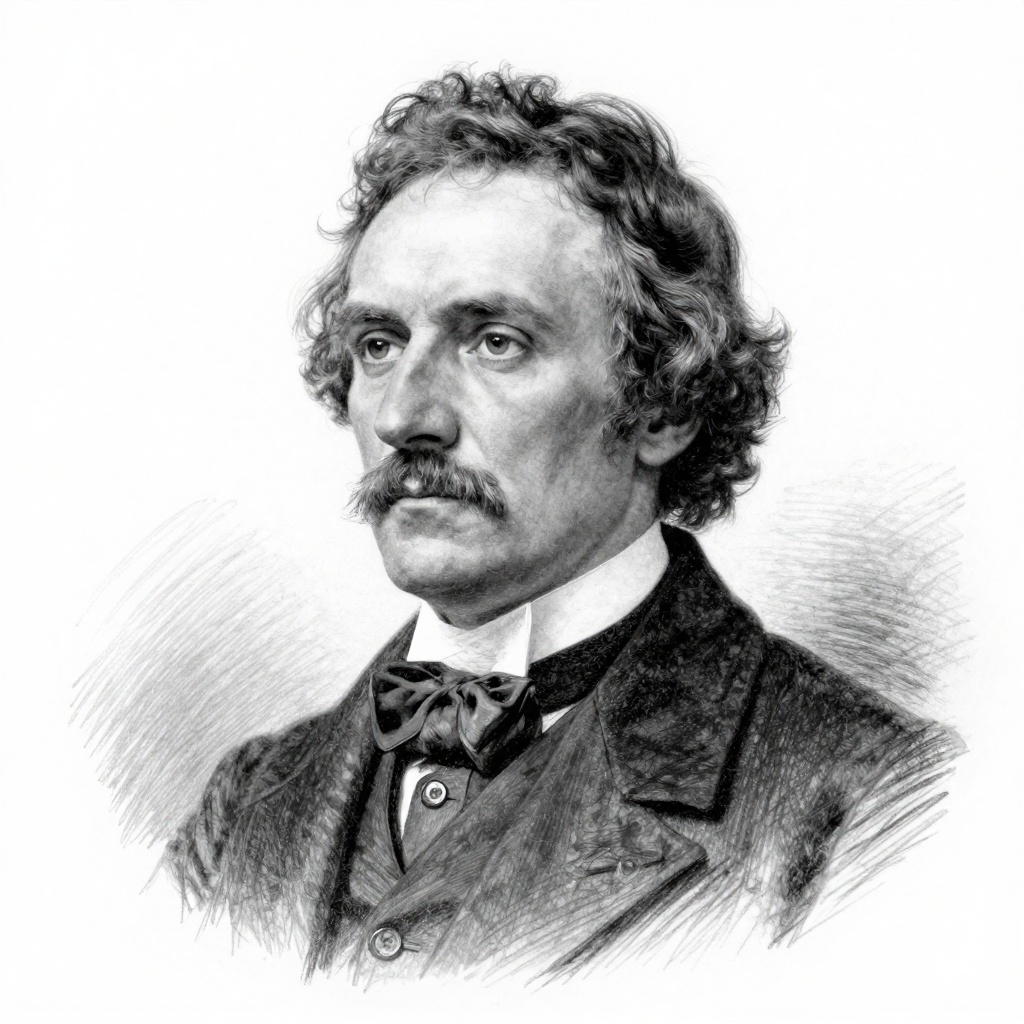
Comments