Quote · Added 9 February 2026
The world of reality has its limits; the world of imagination is boundless.
Jean-Jacques RousseauThe Confessions, 1782
No ratings yet
Filed underreality·imagination·boundless
Quote · Added 9 February 2026
Filed underreality·imagination·boundless
Most of us treat imagination as a luxury—something for artists or daydreamers, not for getting things done. But this quote hints at something more practical: imagination isn't escaping reality; it's the only tool we have to move beyond what already exists. Reality shows us what is. Imagination shows us what could be. Without the second, we're stuck repeating the same patterns, solving the same problems with the same tired approaches.
The tricky part is that imagination feels less solid than reality. You can touch a brick wall; you can't touch a business idea or a solution that doesn't exist yet. So we often dismiss the imaginative solution as impractical before we even try it. But every meaningful change—whether it's personal (a different career path, a new relationship dynamic) or collective (technology, social progress)—started as something that didn't fit into the existing world. Someone had to imagine it first.
This doesn't mean ignoring reality. It means recognizing that reality's limits are partly self-imposed. The constraints are real, but they're not the whole story. When you feel stuck, it's often because you're only looking at what's already proven possible. The boundless part—that's where actual freedom lives.
1712–1778·lived 66 years
Jean-Jacques Rousseau was an 18th-century Swiss philosopher, writer, and composer. He is best known for his influential works, such as "The Social Contract" and "Emile," which significantly contributed to the Enlightenment period and political philosophy. Rousseau's ideas on democracy, freedom, and education had a lasting impact on Western thought.
Also by Jean-Jacques Rousseau
Civilization is a hopeless race to discover remedies for the evils it produces.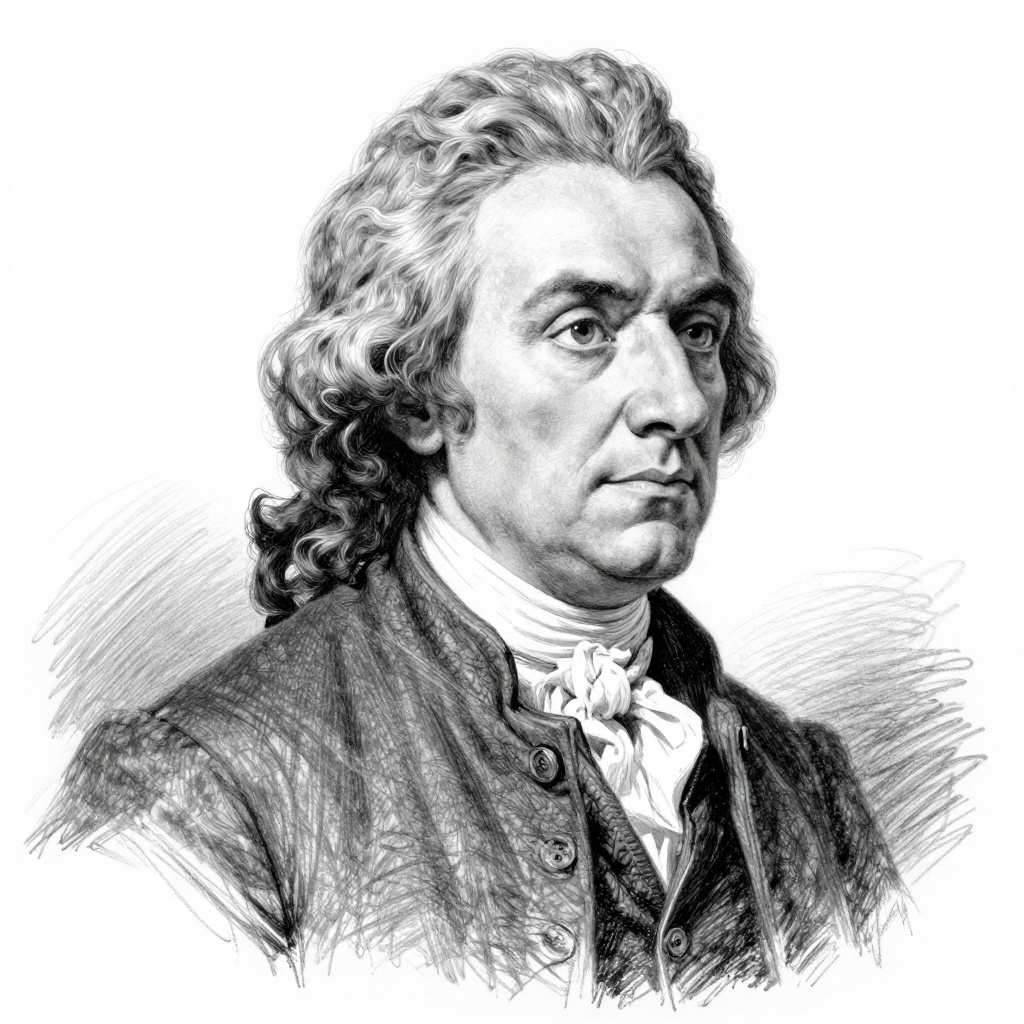
Comments