Quote · Added 14 February 2026
Plant and your spouse plants with you; weed and you weed alone.
Jean-Jacques RousseauEmile, p. 215, 1762
No ratings yet
Filed underplanting·partnership·effort
Quote · Added 14 February 2026
Filed underplanting·partnership·effort
There's something quietly devastating in this observation about marriage. When things are growing—when you're building something together, dreaming, making plans—your partner naturally wants to be part of it. But maintenance work, the unglamorous daily effort of removing what doesn't belong, often falls to whoever cares most. Or whoever notices first.
This shows up everywhere in long relationships. One person tends to be the one who speaks up about problems, sets boundaries, or addresses the small resentments before they become big ones. The other might genuinely want to help, but they don't see the weeds until they've already spread. And by then, the person doing the weeding feels not just tired but isolated—like they're the only one who cares enough to do the hard part.
The real insight isn't that partnerships are unfair, though they sometimes are. It's that growth is seductive and shared, while discipline is unglamorous and lonely. The couple that plants together needs to also be willing to pull weeds together—which means noticing small problems early and treating maintenance like it matters as much as dreams do. Otherwise, one person becomes the gardener and the other just enjoys the flowers.
1712–1778·lived 66 years
Jean-Jacques Rousseau was an 18th-century Swiss philosopher, writer, and composer. He is best known for his influential works, such as "The Social Contract" and "Emile," which significantly contributed to the Enlightenment period and political philosophy. Rousseau's ideas on democracy, freedom, and education had a lasting impact on Western thought.
Also by Jean-Jacques Rousseau
Civilization is a hopeless race to discover remedies for the evils it produces.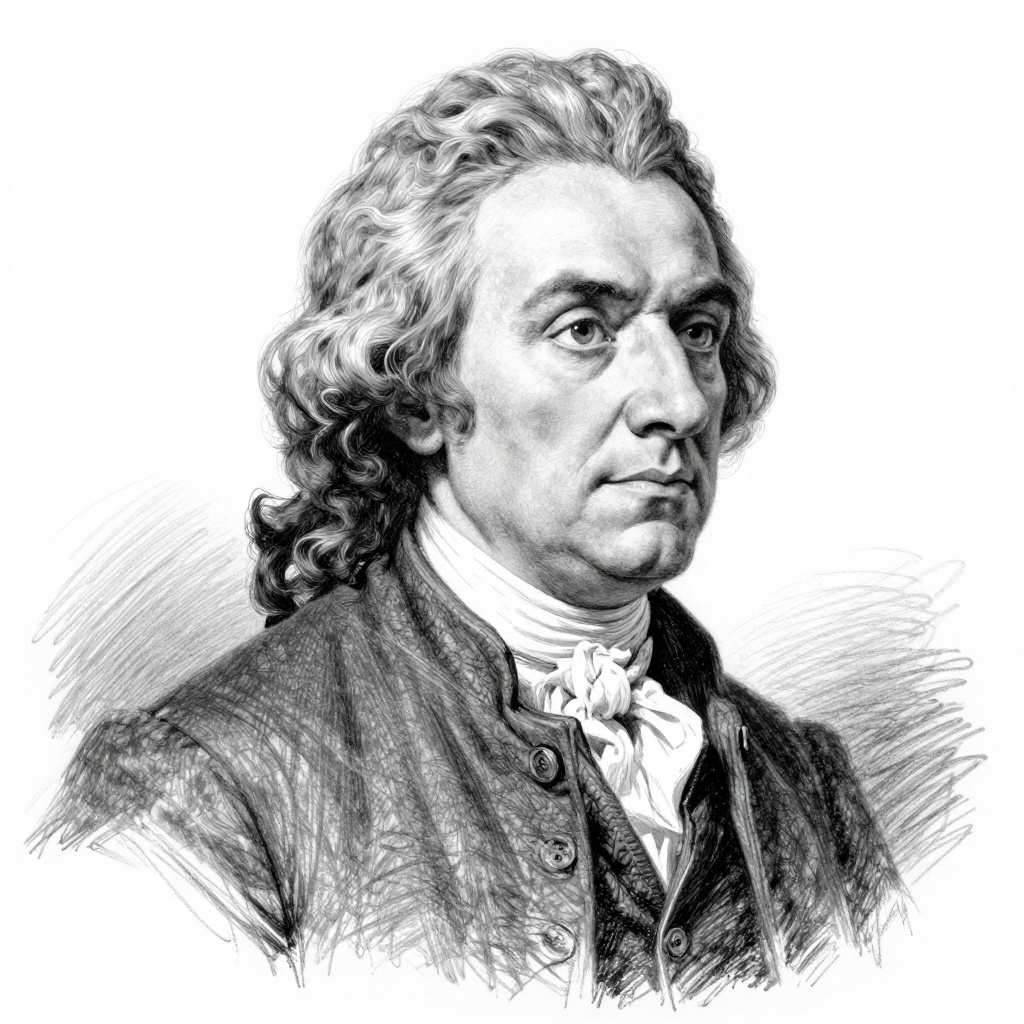
Comments