Quote · Added 17 February 2026
To be sane in a world of madman is in itself madness.
Jean-Jacques RousseauConfessions, 1782
No ratings yet
Quote · Added 17 February 2026
There's something unsettling about this idea, and that's exactly what makes it stick. If everyone around you is operating by a set of rules—even crazy ones—and you're the only one following a different logic, you start to look like the problem. You become the person who won't go along, who questions what everyone else accepts. In your workplace, your family, your social circle, suddenly being the reasonable one feels isolating rather than virtuous.
The real twist is that Rousseau isn't advocating for actual madness. He's pointing out that sanity isn't some fixed standard—it's relative to the system you're in. When the system itself is broken, trying to stay sane within it creates its own kind of fracture. You're torn between fitting in and maintaining your grip on what you actually believe. History is full of examples: the whistleblower looks paranoid, the person questioning the group consensus seems difficult, the one refusing to participate seems self-righteous.
This doesn't mean abandon all reason and just follow the crowd. It means recognizing that being "sane" sometimes requires accepting that you'll be uncomfortable, misunderstood, or marked as odd. The real survival skill isn't fitting perfectly—it's knowing when you're sane and when your world is mad, and deciding which to preserve.
1712–1778·lived 66 years
Jean-Jacques Rousseau was an 18th-century Swiss philosopher, writer, and composer. He is best known for his influential works, such as "The Social Contract" and "Emile," which significantly contributed to the Enlightenment period and political philosophy. Rousseau's ideas on democracy, freedom, and education had a lasting impact on Western thought.
Also by Jean-Jacques Rousseau
Civilization is a hopeless race to discover remedies for the evils it produces.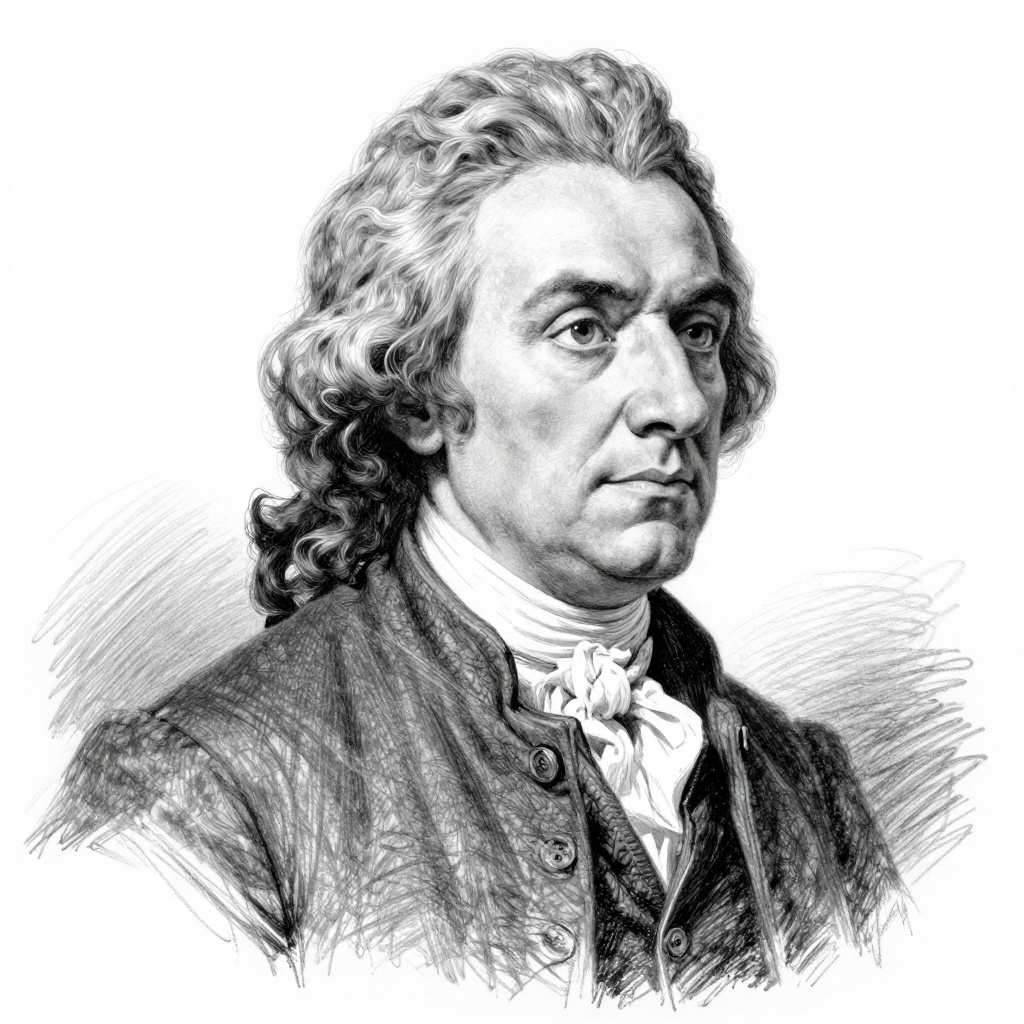
Comments