Quote · Added 15 February 2026
O love, if I regret the age when one savors you, it is not for the hour of pleasure, but for the one that follows it.
Jean-Jacques RousseauConfessions, Book IV, 1782
No ratings yet
Quote · Added 15 February 2026
There's a specific kind of contentment that gets lost in modern life, and Rousseau is pointing at exactly what it is. We tend to think the best part of any good experience is the experience itself—the meal, the conversation, the moment. But he's suggesting something quieter and maybe more valuable: the aftermath. That hour when pleasure settles into memory, when you're still warm from what just happened, and there's nothing left to do but sit with it.
Most of us are too busy moving to the next thing to notice this. We finish something good and immediately scroll, plan, worry, or chase the next hit of stimulation. We're so focused on maximizing the experience itself that we skip the part where we actually absorb it. Rousseau isn't being sentimental about the past—he's identifying a real loss. That second hour, where you're not consuming anything but just existing in what you've lived, is where experiences actually become part of you.
The age he's mourning isn't youth exactly; it's any time when you had the luxury to linger. To sit with someone after dinner and actually feel the warmth of connection fade gradually, rather than rushing out the door. We can't reclaim that time, but we can notice when we have it and choose, just occasionally, to stay.
1712–1778·lived 66 years
Jean-Jacques Rousseau was an 18th-century Swiss philosopher, writer, and composer. He is best known for his influential works, such as "The Social Contract" and "Emile," which significantly contributed to the Enlightenment period and political philosophy. Rousseau's ideas on democracy, freedom, and education had a lasting impact on Western thought.
Also by Jean-Jacques Rousseau
Civilization is a hopeless race to discover remedies for the evils it produces.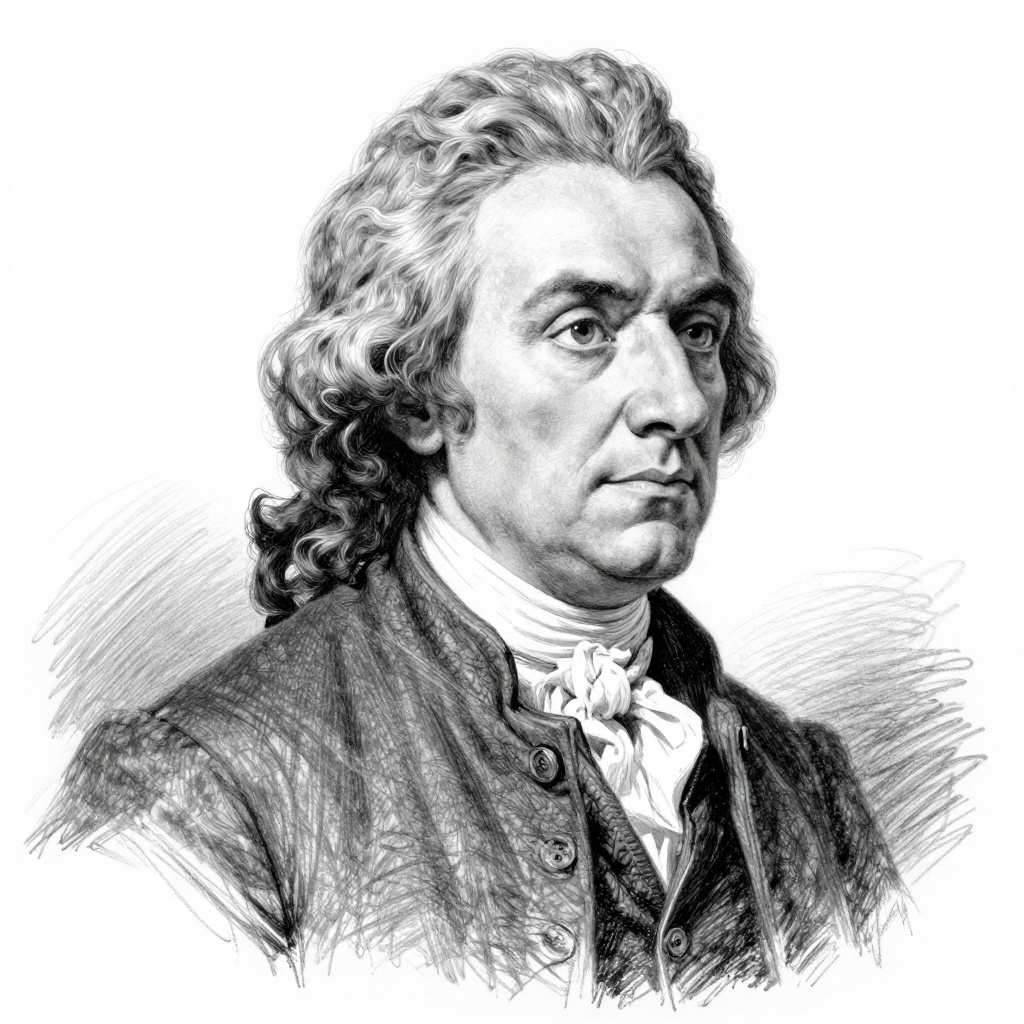
Comments