Quote · Added 17 February 2026
Civilization is a hopeless race to discover remedies for the evils it produces.
No ratings yet
Filed undercivilization·remedies·struggle
Quote · Added 17 February 2026
Filed undercivilization·remedies·struggle
There's something darkly funny about modern life that Rousseau spotted centuries ago: we're always chasing our own tails. We invent smartphones to save time, then spend hours managing notifications. We build hospitals to fix diseases spawned by processed food and sedentary work. Social media promised connection but delivered loneliness. Each solution breeds its own problem, and we're perpetually scrambling to fix what we just broke.
The trap isn't that we're bad at problem-solving. It's that complexity itself becomes the problem. A simple village might have fewer evils, but civilization buys us medicine, art, and safety from predators—genuine goods we don't want to lose. So we're stuck. We can't uncomplicate things without giving up what makes modern life worth living. We just keep running.
What's worth noticing is that Rousseau isn't quite saying progress is impossible or futile, just that it's never the clean victory we imagine. Sometimes recognizing this changes how we move forward. Maybe the point isn't to finally "solve" modern life, but to get better at managing the tradeoffs consciously rather than sleepwalking into new crises while fixing the old ones.
1712–1778·lived 66 years
Jean-Jacques Rousseau was an 18th-century Swiss philosopher, writer, and composer. He is best known for his influential works, such as "The Social Contract" and "Emile," which significantly contributed to the Enlightenment period and political philosophy. Rousseau's ideas on democracy, freedom, and education had a lasting impact on Western thought.
Also by Jean-Jacques Rousseau
To be sane in a world of madman is in itself madness.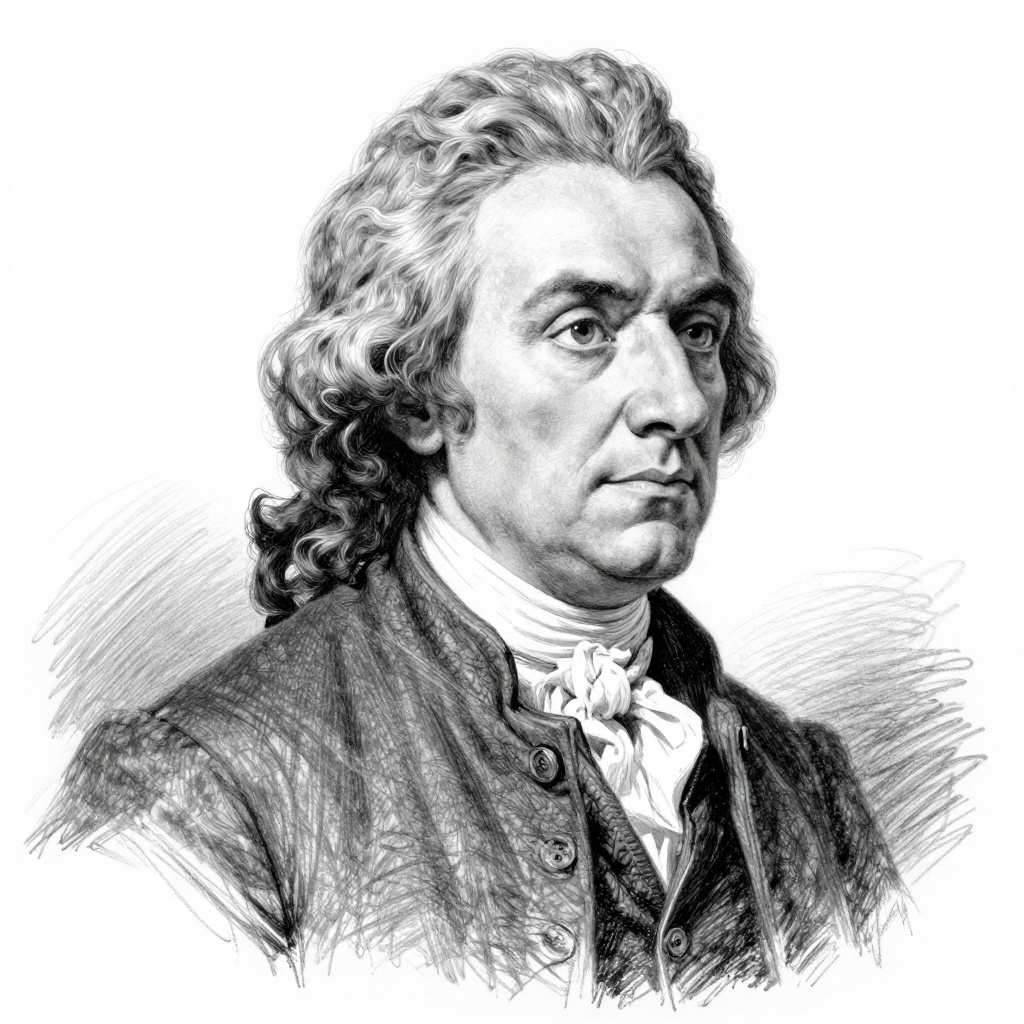
Comments