Quote · Added 8 July 2024
Man is born free; and everywhere he is in chains.
Jean-Jacques RousseauThe Social Contract, 1762
No ratings yet
Filed underfreedom·oppression·existence
Quote · Added 8 July 2024
Filed underfreedom·oppression·existence
We all recognize the feeling Rousseau describes, even if we don't live in literal chains. You might feel it when you're scrolling social media at midnight, knowing you should sleep but can't stop, or when you nod along in a meeting to an idea you actually disagree with. We're not forced to do these things, yet we do them anyway. Something feels holding us back from the freedom we sense should be ours.
The twist is that Rousseau isn't blaming some distant oppressor—he's suggesting we've built our own cages through society itself. The rules, expectations, and invisible pressures we've normalized feel natural because we absorbed them young. Your job title, your family role, the way you think you should look or behave—these are chains partly of our own making, which makes them harder to spot and even harder to break.
This doesn't mean freedom is impossible, but it means recognizing that liberation isn't just about removing external constraints. It's about understanding which of your habits, beliefs, and daily choices are actually serving you versus which ones you're just carrying around out of inertia. That awareness is where real freedom starts.
1712–1778·lived 66 years
Jean-Jacques Rousseau was an 18th-century Swiss philosopher, writer, and composer. He is best known for his influential works, such as "The Social Contract" and "Emile," which significantly contributed to the Enlightenment period and political philosophy. Rousseau's ideas on democracy, freedom, and education had a lasting impact on Western thought.
Also by Jean-Jacques Rousseau
Civilization is a hopeless race to discover remedies for the evils it produces.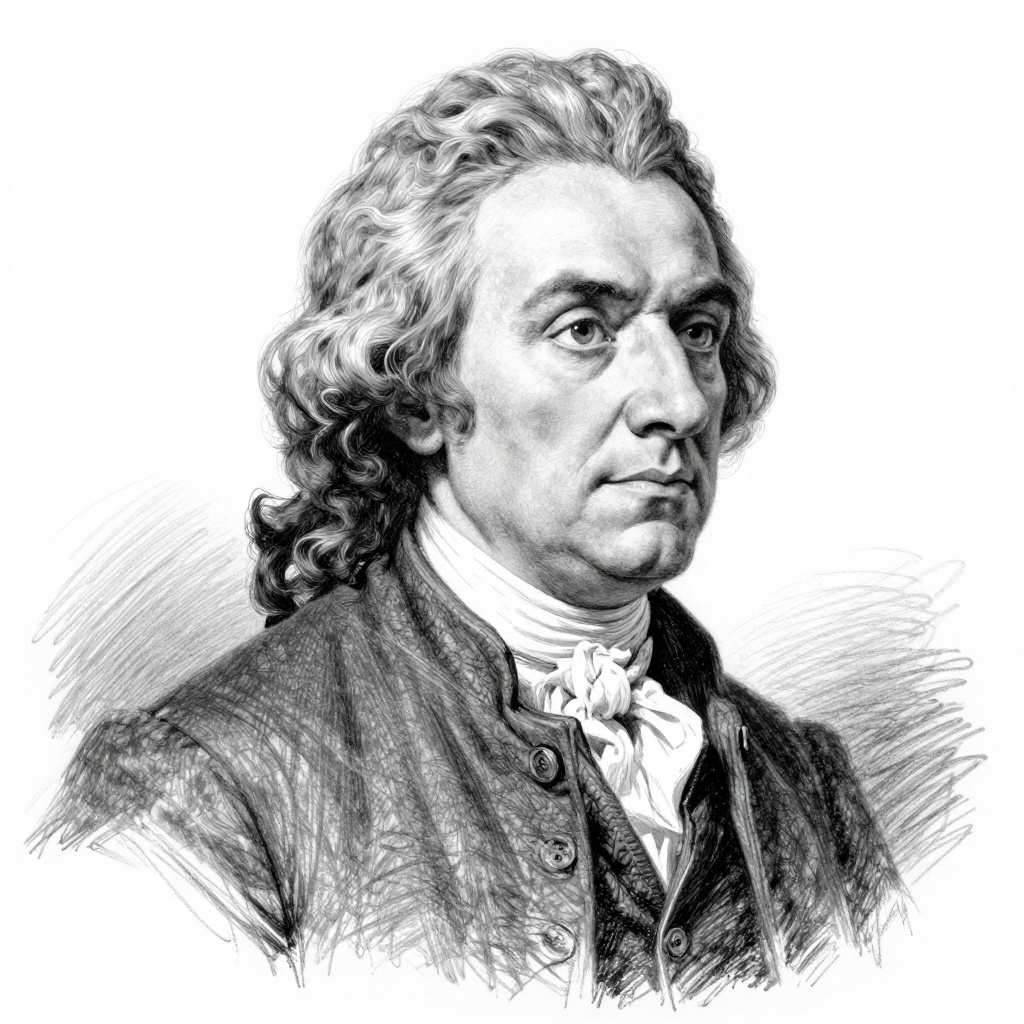
Comments