Quote · Added 14 February 2026
Gratitude is a duty which ought to be paid, but which none have a right to expect.
Jean-Jacques RousseauEmile, p. 215, 1762
No ratings yet
Filed undergratitude·duty·expectation
Quote · Added 14 February 2026
Filed undergratitude·duty·expectation
Gratitude sits in an uncomfortable space. We all sense the obligation—when someone helps us, sacrifices time, or shows up when it matters, we feel we owe them something intangible but real. Yet the moment gratitude becomes something we demand from others, it curdles into guilt and resentment. It stops being genuine.
This tension plays out constantly in modern life. Parents sacrifice for children, then feel hurt when that sacrifice isn't acknowledged. Partners do considerate things and keep score. Friends help in crisis and later wonder why they weren't thanked properly. The problem isn't the sacrifice itself; it's the invisible contract we quietly sign without mentioning. We do good things and unconsciously expect a certain emotional return—appreciation, recognition, loyalty.
Rousseau's insight points to something freeing: you can absolutely be obligated to feel grateful, to notice kindness and let it matter. That's a form of integrity. But nobody owes you their gratitude in return. When you help someone, you're not making a deposit in an emotional bank account. This doesn't mean avoid generosity—it means practicing it without keeping receipts. The paradox is that people are often more grateful when they've never been made to feel they should be.
1712–1778·lived 66 years
Jean-Jacques Rousseau was an 18th-century Swiss philosopher, writer, and composer. He is best known for his influential works, such as "The Social Contract" and "Emile," which significantly contributed to the Enlightenment period and political philosophy. Rousseau's ideas on democracy, freedom, and education had a lasting impact on Western thought.
Also by Jean-Jacques Rousseau
Civilization is a hopeless race to discover remedies for the evils it produces.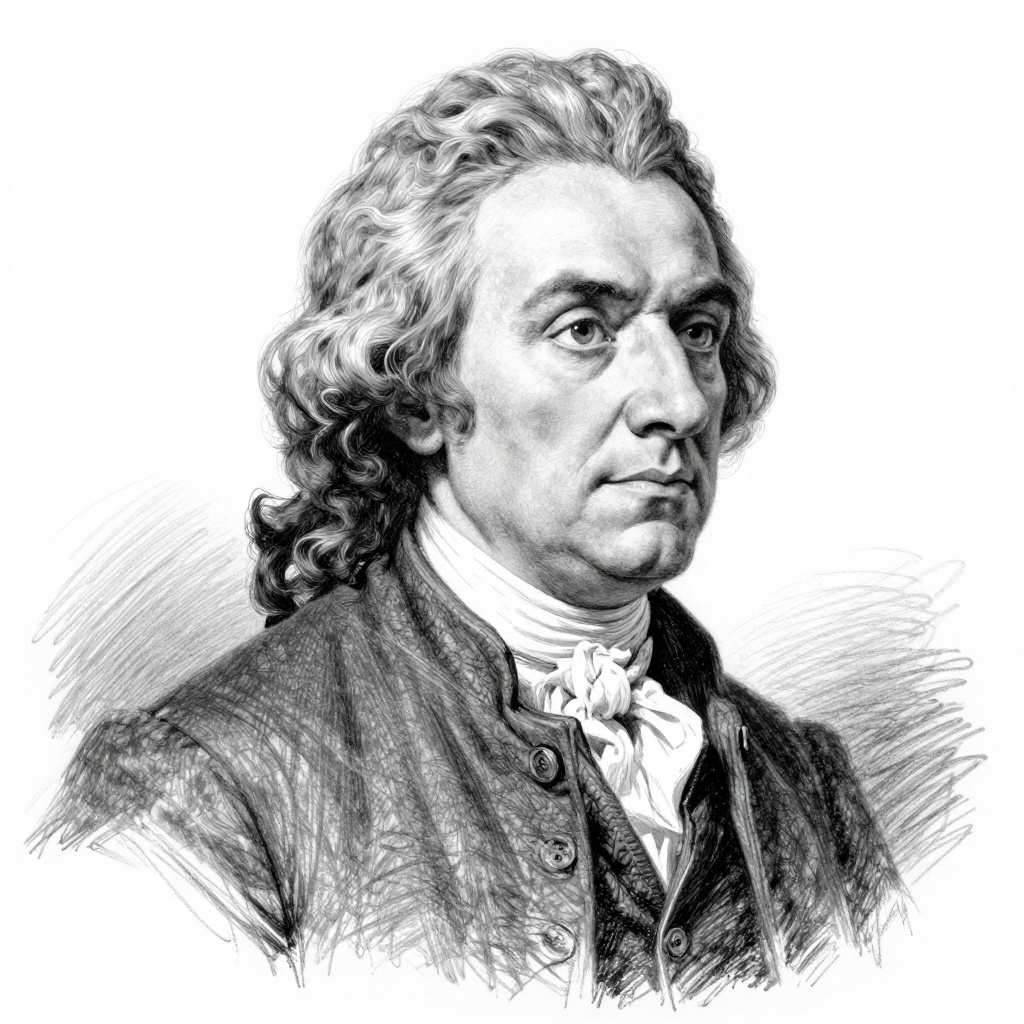
Comments