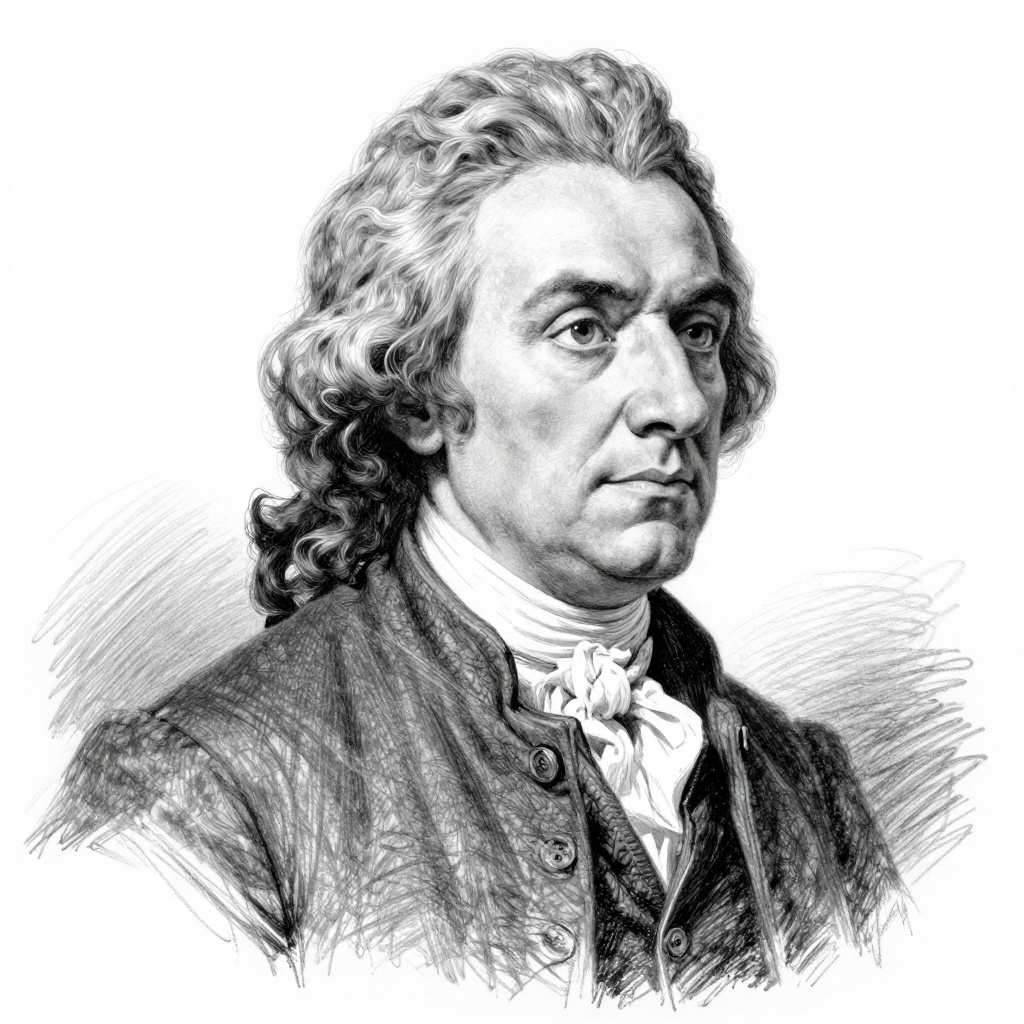
Free people, remember this maxim: we may acquire liberty, but it is never recovered if it is once lost. — Jean-Jacques Rousseau

Free people, remember this maxim: we may acquire liberty, but it is never recovered if it is once lost.

Author: Jean-Jacques Rousseau

Insight: We live in an age that treats freedom like a utility bill—something we assume will always be there, something we can neglect without consequence. But Rousseau is pointing at something darker: freedom isn't like money you can earn back through hard work. Once a people collectively surrender it, getting it back requires revolution, suffering, and generations of struggle. History keeps proving him right, and yet we keep acting surprised. The quiet power of this quote is that it's not really about dramatic political collapse. It speaks to smaller surrenders we make constantly. You automate away your attention to your phone's algorithms. A workplace culture shifts slightly, and suddenly speaking up feels riskier. A community gradually accepts surveillance as normal. None of these feel catastrophic in the moment—they feel convenient. But Rousseau suggests there's a threshold we cross where convenience hardens into custom, and custom into chains. Freedom recovered from that state isn't a policy fix; it's a cultural resurrection. This is why vigilance matters not as a paranoid habit but as a basic maintenance task. The people who keep freedom alive aren't the ones making grand gestures—they're the ones who notice when small liberties start slipping away and ask themselves whether the trade-off is actually worth it.

Lost freedoms demand revolutions to reclaim

Free people, remember this maxim: we may acquire liberty, but it is never recovered if it is once lost.

We live in an age that treats freedom like a utility bill—something we assume will always be there, something we can neglect without consequence. But Rousseau is pointing at something darker: freedom isn't like money you can earn back through hard work. Once a people collectively surrender it, getting it back requires revolution, suffering, and generations of struggle. History keeps proving him right, and yet we keep acting surprised.

The quiet power of this quote is that it's not really about dramatic political collapse. It speaks to smaller surrenders we make constantly. You automate away your attention to your phone's algorithms. A workplace culture shifts slightly, and suddenly speaking up feels riskier. A community gradually accepts surveillance as normal. None of these feel catastrophic in the moment—they feel convenient. But Rousseau suggests there's a threshold we cross where convenience hardens into custom, and custom into chains. Freedom recovered from that state isn't a policy fix; it's a cultural resurrection.

This is why vigilance matters not as a paranoid habit but as a basic maintenance task. The people who keep freedom alive aren't the ones making grand gestures—they're the ones who notice when small liberties start slipping away and ask themselves whether the trade-off is actually worth it.

AI generated

Comments

Sign in to leave a comment or reply to one.

Sign in

Jean-Jacques Rousseau

Jean-Jacques Rousseau was an 18th-century Swiss philosopher, writer, and composer. He is best known for his influential works, such as "The Social Contract" and "Emile," which significantly contributed to the Enlightenment period and political philosophy. Rousseau's ideas on democracy, freedom, and education had a lasting impact on Western thought.

Graph

Related