Quote · Added 19 February 2026
Behind every great fortune there is a crime.
No ratings yet
Quote · Added 19 February 2026
Most of us think of wealth as something earned through talent, hard work, or good luck. Balzac's observation cuts deeper—it suggests that if you dig into the origins of serious money, you'll find something morally questionable. That might sound cynical, but consider: the fortunes built during colonial expansion, the railroads financed through corruption, the tech billions accumulated partly through exploited labor. Even today, the line between shrewd business and outright wrongdoing stays blurry.
The quote matters not because it condemns all wealthy people, but because it warns us to stay skeptical of our own narratives. We're good at rewriting our shortcuts as cleverness, our advantages as merit, our ethical compromises as "the way business works." If we traced back most significant wealth—whether family money, business success, or inherited advantage—we'd probably find at least one decision that didn't age well morally. The interesting part isn't judging the past; it's recognizing how easy it is to justify questionable choices when the payoff is large enough. That awareness alone changes how we evaluate success in our own lives.
1799–1850·lived 51 years
Honore de Balzac (1799–1850) was a French novelist and playwright known for his extensive and influential body of work, collectively titled "La Comédie Humaine." He is celebrated for his realistic portrayal of French society in the early 19th century and is regarded as one of the founding figures of realism in European literature.
Also by Honore de Balzac
First love is a kind of vaccination which saves a man from catching the complaint a second...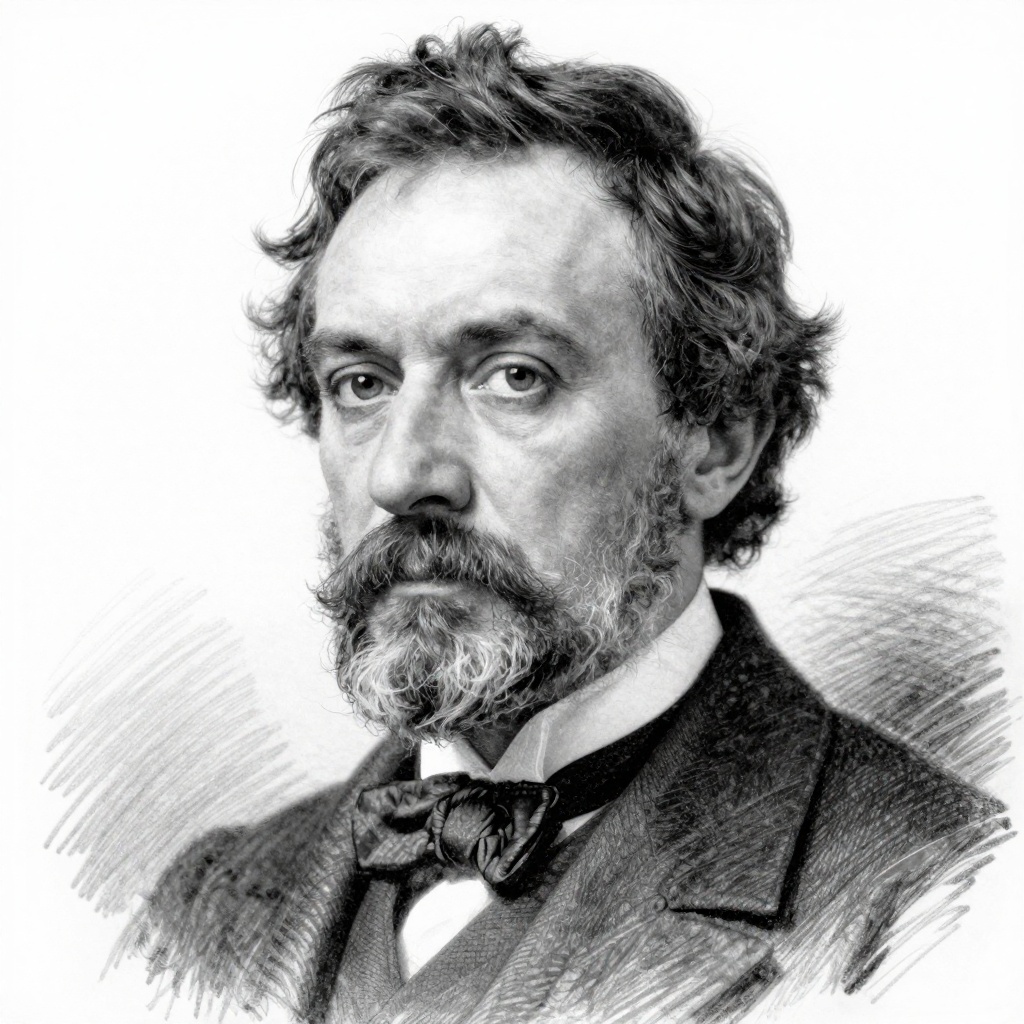
Comments