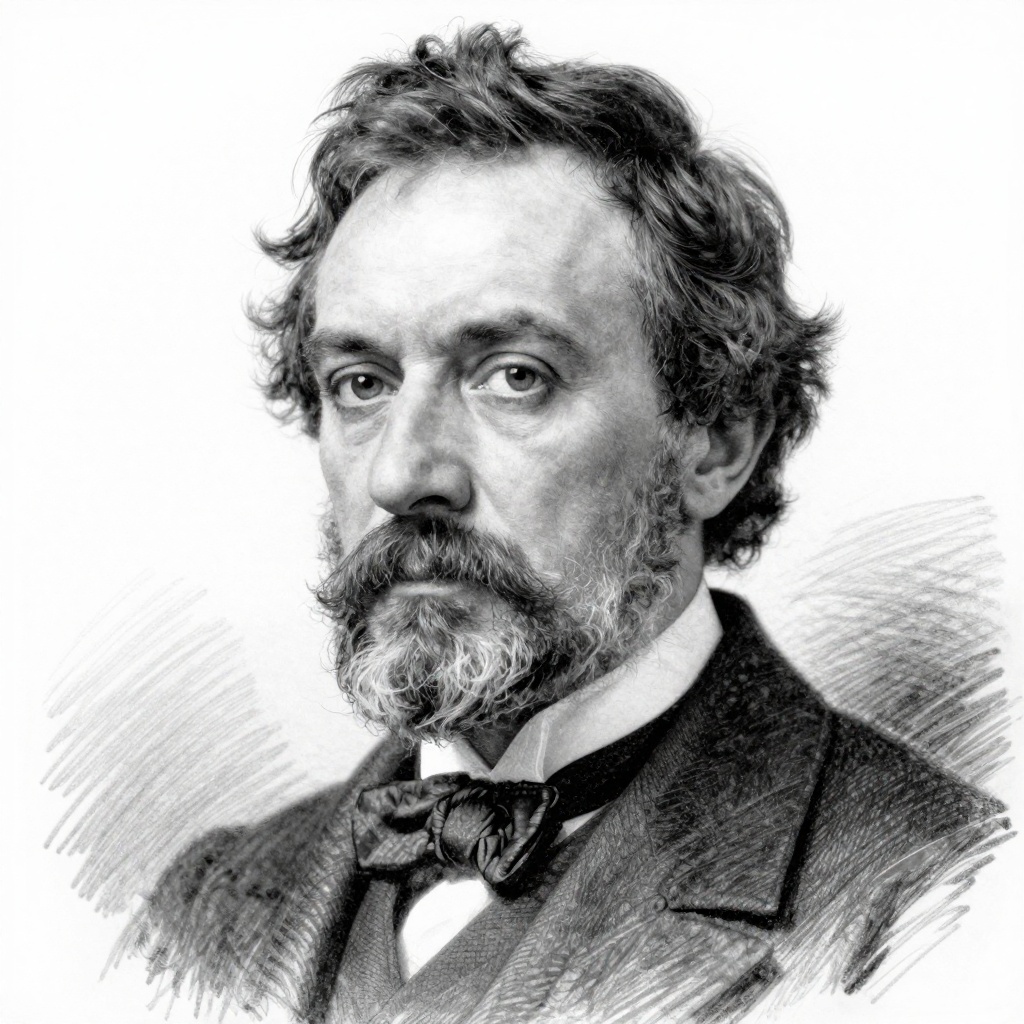
True love is eternal, infinite, and always like itself. It is equal and pure, without violent demonstrations:... — Honore de Balzac

True love is eternal, infinite, and always like itself. It is equal and pure, without violent demonstrations: it is seen with white hairs and is always young in the heart.

Author: Honore de Balzac

Insight: We're surrounded by images of love that look nothing like this—the grand gestures, the passionate declarations, the relationship drama that feels like proof something matters. Balzac's describing something quieter and harder to romanticize: the kind of love that shows up the same way Tuesday as it did twenty years ago, without needing to prove itself through intensity or display. There's something almost radical about calling love "equal and pure, without violent demonstrations." We've been taught that real love should feel urgent, consuming, maybe even a little chaotic. But Balzac's pointing at something different—a steadiness that doesn't need conflict to feel real, or novelty to stay alive. It's the person who remembers how you take your coffee, who still wants to be near you when conversation dries up, who loves you not because you're constantly surprising them but because you're consistently yourself. The part about "always young in the heart" isn't about staying young forever. It's noticing that genuine affection somehow stays flexible and curious, never hardening into routine or obligation. It's the difference between love that requires constant fuel to burn, and love that simply endures—not because it has to, but because it quietly wants to.

Love that simply endures

True love is eternal, infinite, and always like itself. It is equal and pure, without violent demonstrations: it is seen with white hairs and is always young in the heart.

We're surrounded by images of love that look nothing like this—the grand gestures, the passionate declarations, the relationship drama that feels like proof something matters. Balzac's describing something quieter and harder to romanticize: the kind of love that shows up the same way Tuesday as it did twenty years ago, without needing to prove itself through intensity or display.

There's something almost radical about calling love "equal and pure, without violent demonstrations." We've been taught that real love should feel urgent, consuming, maybe even a little chaotic. But Balzac's pointing at something different—a steadiness that doesn't need conflict to feel real, or novelty to stay alive. It's the person who remembers how you take your coffee, who still wants to be near you when conversation dries up, who loves you not because you're constantly surprising them but because you're consistently yourself.

The part about "always young in the heart" isn't about staying young forever. It's noticing that genuine affection somehow stays flexible and curious, never hardening into routine or obligation. It's the difference between love that requires constant fuel to burn, and love that simply endures—not because it has to, but because it quietly wants to.

AI generated

Comments

Sign in to leave a comment or reply to one.

Sign in

Honore de Balzac

Honore de Balzac (1799–1850) was a French novelist and playwright known for his extensive and influential body of work, collectively titled "La Comédie Humaine." He is celebrated for his realistic portrayal of French society in the early 19th century and is regarded as one of the founding figures of realism in European literature.

Graph

Related