Quote · Added 15 February 2026
The more one judges, the less one loves.
No ratings yet
Filed underjudgment·love·connection
Quote · Added 15 February 2026
Filed underjudgment·love·connection
We often tell ourselves that being critical is just being honest, even wise. But there's something that happens when we slip into constant judgment—we start seeing people as collections of flaws to evaluate rather than as whole human beings to actually know. The moment you're mentally cataloging someone's mistakes, their poor choices, their weird habits, you're not really present with them anymore. You're somewhere else, building a case.
This matters because judgment and love operate almost in opposite directions. Love requires curiosity about why someone does what they do, a willingness to hold their complexity without needing to score it. Judgment kills that curiosity. It replaces "I wonder what's going on with them" with "I see exactly what their problem is." And once you're convinced you understand someone's failings, they become predictable, dismissible, smaller.
The tricky part is that judgment feels efficient. It feels like clarity. But the people we actually cherish—the ones we stay close to—are usually the ones we've chosen to judge less, not more. Not because we've stopped seeing their faults, but because we've decided something else matters more. That decision to stop keeping score is often what love actually is.
1799–1850·lived 51 years
Honore de Balzac (1799–1850) was a French novelist and playwright known for his extensive and influential body of work, collectively titled "La Comédie Humaine." He is celebrated for his realistic portrayal of French society in the early 19th century and is regarded as one of the founding figures of realism in European literature.
Also by Honore de Balzac
First love is a kind of vaccination which saves a man from catching the complaint a second...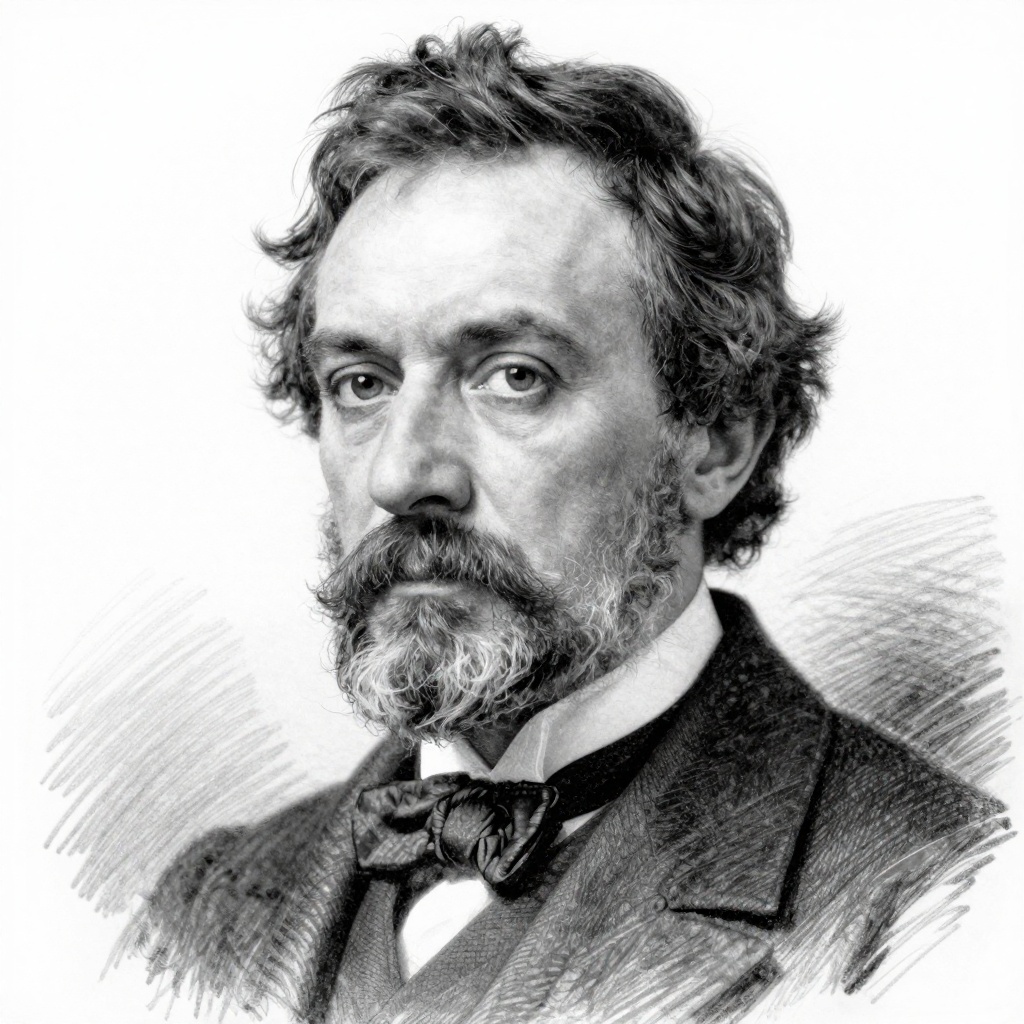
Comments