Quote · Added 10 February 2026
Behind every great fortune lies a great crime.
Honore de BalzacPère Goriot, 1835
No ratings yet
Quote · Added 10 February 2026
There's something almost comforting about this line, because it lets us off the hook. If every successful person basically cheated to get there, then our own modest circumstances feel less like personal failure and more like evidence of our principles. But that's probably exactly wrong. The quote isn't really claiming that all wealth comes from outright lawbreaking—it's saying something messier: that building something substantial almost always involves crossing some line, bending some rule, or stepping on someone else's interests. The difference between the respected founder and the disgraced one often comes down to which rules they broke, and whether society has decided to notice.
The real sting isn't about distant billionaires. It's recognizing this pattern in everyday ambition. The colleague who got promoted by taking credit for team work. The business that undercut competitors by ignoring labor standards. The shortcut that felt necessary at the time. We live in a world where playing completely by the rules often means staying small, and that creates a constant low-level moral friction most people never fully examine. Balzac isn't saying crime pays—he's saying that wanting things badly enough inevitably forces a choice between your principles and your goals. Most of us just don't talk about which one usually wins.
1799–1850·lived 51 years
Honore de Balzac (1799–1850) was a French novelist and playwright known for his extensive and influential body of work, collectively titled "La Comédie Humaine." He is celebrated for his realistic portrayal of French society in the early 19th century and is regarded as one of the founding figures of realism in European literature.
Also by Honore de Balzac
First love is a kind of vaccination which saves a man from catching the complaint a second...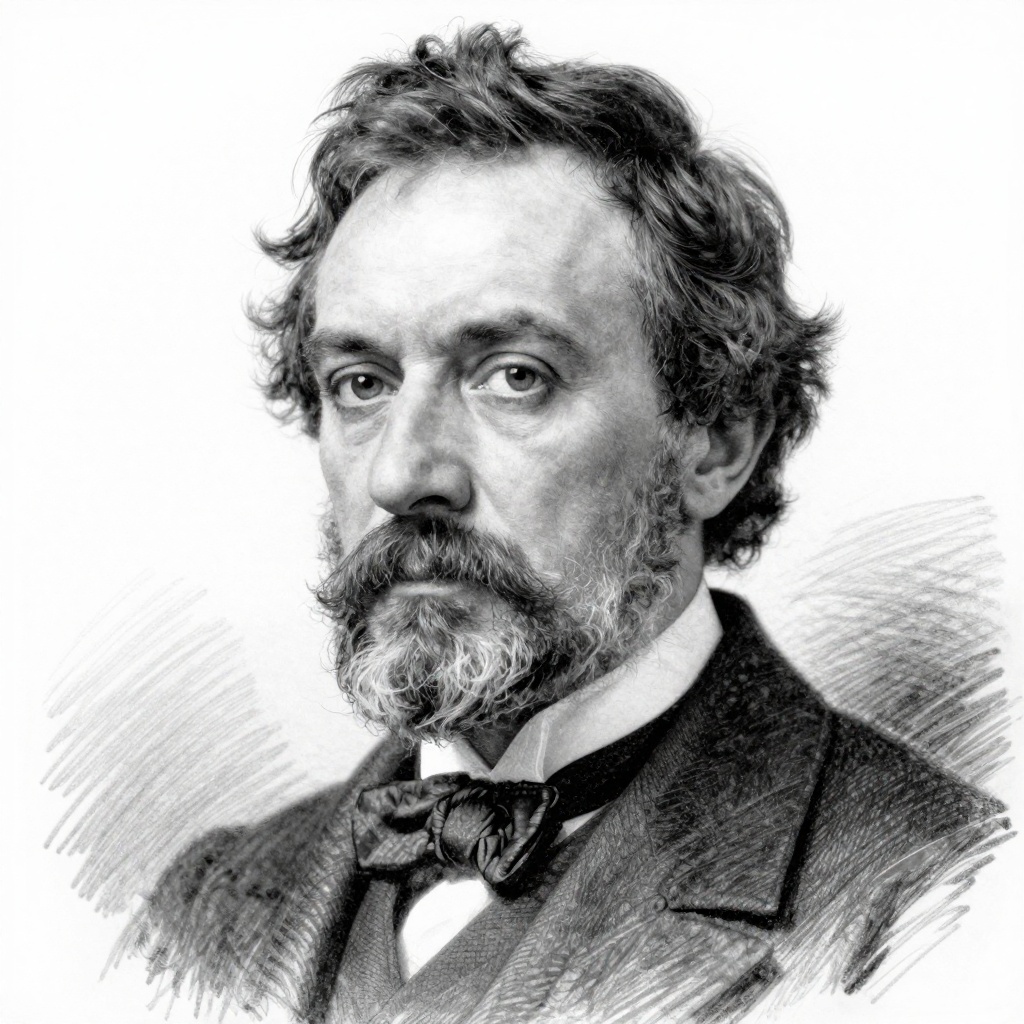
Comments