Quote · Added 15 February 2026
It is easy to sit up and take notice, what is difficult is getting up and taking action.
No ratings yet
Quote · Added 15 February 2026
We live in an age of compulsive noticing. We see the problem, we feel the problem, we share the problem—and then we scroll past it or close the tab. There's almost a comfort in awareness without commitment, in knowing about the crisis while keeping our hands clean. But Balzac is pointing at something harder: the gap between "I see this needs to change" and actually being the person who changes it.
The tricky part is that noticing feels like progress. Your attention feels like action. You worry about the thing, you think about solutions in the shower, you mention it to friends. Meanwhile, the actual work—the unglamorous stuff that takes time and creates friction—sits untouched. This matters for big things like climate change or social injustice, sure, but it's just as true for personal goals. You notice you're unhappy with your job, your relationships, your fitness level. Noticing happens instantly. Doing something about it requires showing up on days you don't feel inspired.
The real difficulty isn't intellectual. It's the willingness to look foolish, fail, encounter resistance, or just be bored while doing the thing. That's what separates people who complain about their lives from people who quietly reshape them.
1799–1850·lived 51 years
Honore de Balzac (1799–1850) was a French novelist and playwright known for his extensive and influential body of work, collectively titled "La Comédie Humaine." He is celebrated for his realistic portrayal of French society in the early 19th century and is regarded as one of the founding figures of realism in European literature.
Also by Honore de Balzac
First love is a kind of vaccination which saves a man from catching the complaint a second...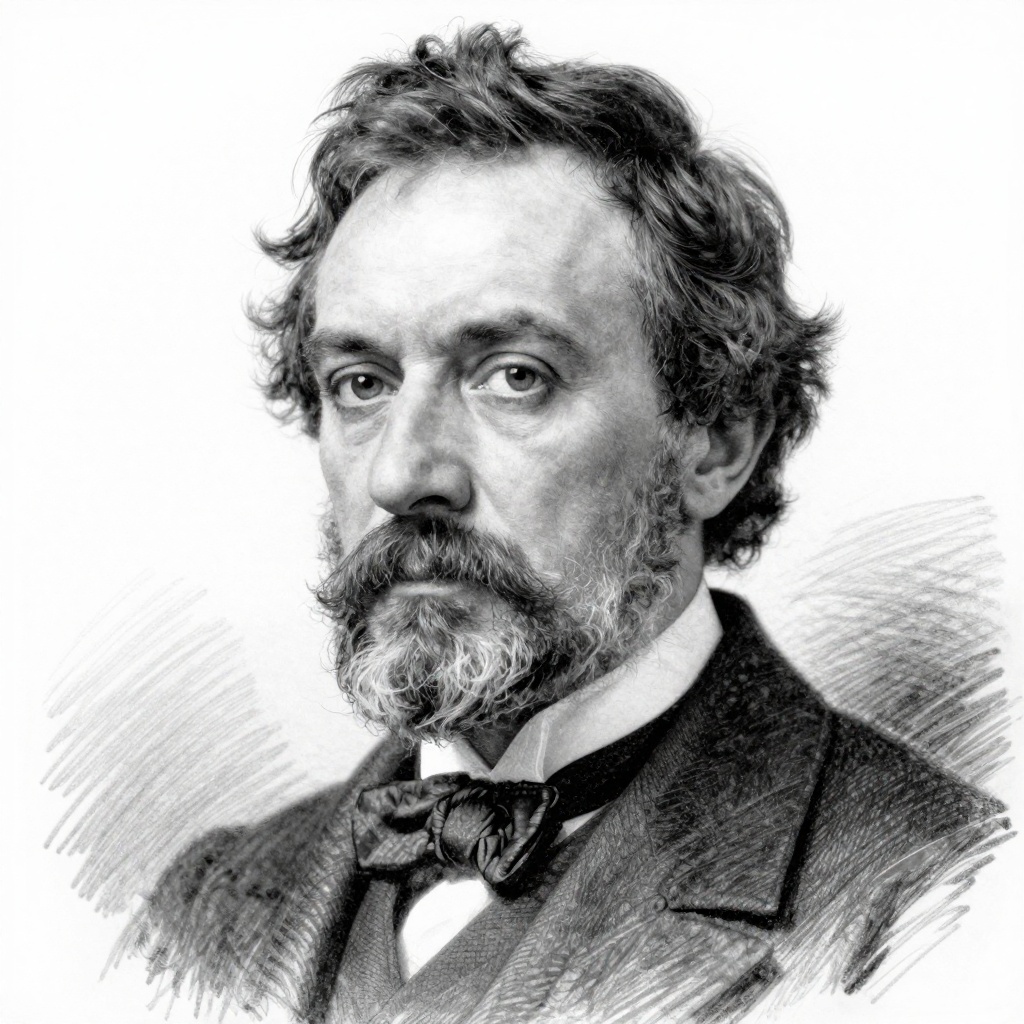
Comments