Quote · Added 25 August 2023
Success usually comes to those who are too busy to be looking for it.
No ratings yet
Filed undersuccess·effort·opportunity
Quote · Added 25 August 2023
Filed undersuccess·effort·opportunity
There's something counterintuitive about Thoreau's observation that lands more true than it probably should. We're conditioned to think success requires constant vigilance—networking, resume-polishing, eyes always on the prize. But the people who actually seem to accomplish things are usually absorbed in the work itself, not monitoring their progress or chasing validation. They're so engaged with what they're doing that they forget to be anxious about whether it's working.
This happens because obsessive goal-chasing often sabotages itself. When you're always measuring yourself against some finish line, you second-guess decisions, take shortcuts, or abandon ideas the moment they get hard. You're not thinking clearly; you're thinking like someone afraid of losing. Meanwhile, people genuinely committed to their craft—whether it's writing, building, teaching, or making something useful—develop real depth and skill. They solve problems nobody else notices because they're too busy noticing them.
The real insight isn't that success finds you if you ignore it entirely. It's that the conditions for success are usually boring, unglamorous work on something that matters to you. By the time recognition arrives, you're already too absorbed in the next thing to be thrilled about the last one. That shift—from striving for success to striving for quality—is often when actual success stops feeling like luck and starts feeling inevitable.
1817–1862·lived 44 years
Henry David Thoreau was an American essayist, poet, and philosopher, known for his transcendentalist writings advocating for individualism, nature appreciation, and civil disobedience. He is best known for his book "Walden, or Life in the Woods," which reflects on simple living in natural surroundings and has inspired generations of environmentalists and activists.
Also by Henry David Thoreau
That man is richest whose pleasures are cheapest.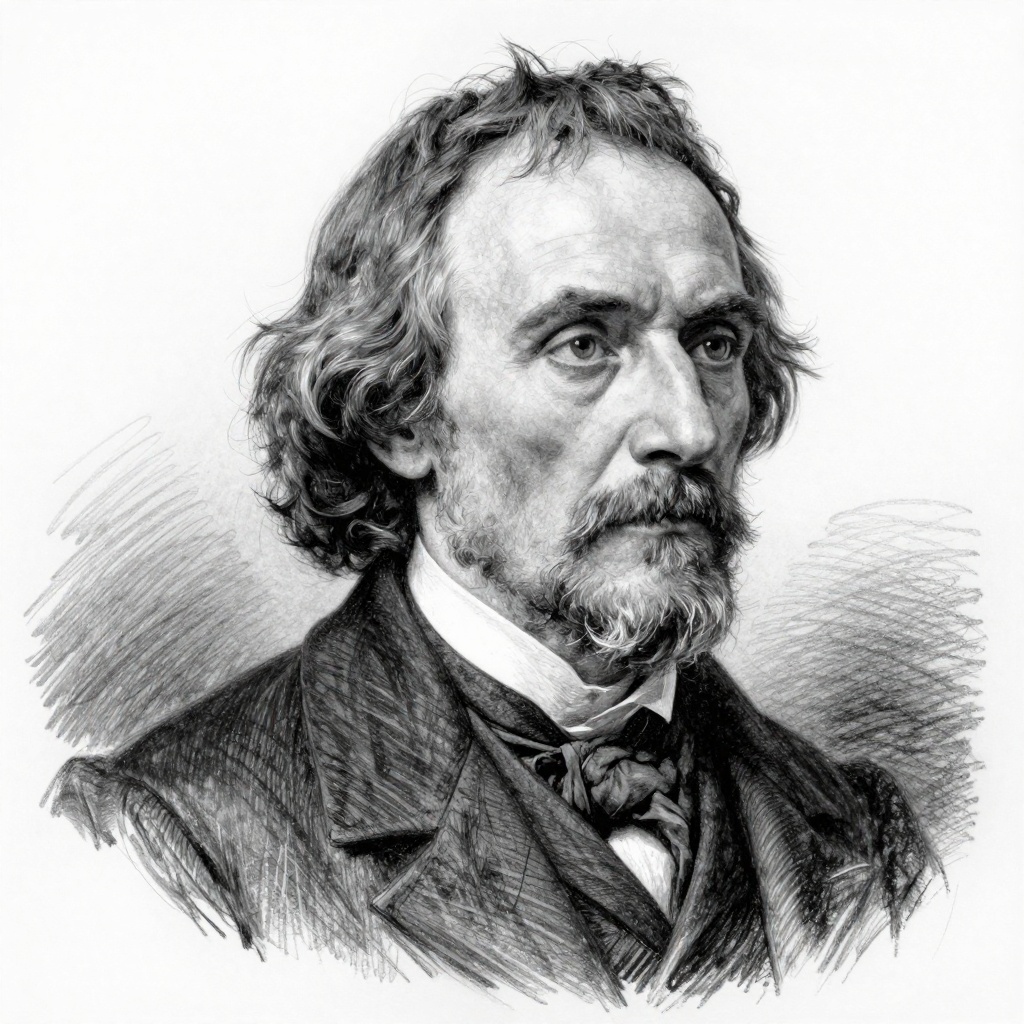
Comments