Quote · Added 17 April 2026
She had an unequalled gift... of squeezing big mistakes into small opportunities.
Filed underopportunity·mistakes·resilience
Quote · Added 17 April 2026
Filed underopportunity·mistakes·resilience
We usually think of mistakes as disasters to be avoided or quickly buried. But this observation points at something quieter and more useful: some people have a real talent for not letting a misstep spiral into catastrophe. They catch the moment when a wrong turn could become something smaller, more manageable, even instructive.
This happens at work when someone owns a missed deadline quickly enough to reset expectations before panic sets in. It's the friend who admits they gave bad advice yesterday and uses that moment to build more honest conversations going forward. The skill isn't about preventing errors—that's impossible—but about the quick, honest recognition that lets you contain the damage and sometimes even extract something valuable from it.
What makes this particularly useful today is how easy it is to let small mistakes metastasize into identity crises. A social media blunder, a email sent to the wrong person, a poorly worded comment—these can feel enormous in the moment. But the people who genuinely move forward are the ones who can acknowledge what happened, understand the actual scope of it, and find the small lesson or correction inside it. They're not superhuman. They're just practiced at treating mistakes as information rather than verdicts.
1843–1916·lived 72 years
Henry James was an American-British author born on April 15, 1843, in New York City. He is best known for his influential novels and stories, which explore themes of consciousness, perception, and the complexities of human relationships, with notable works including "The Portrait of a Lady" and "The Turn of the Screw." James became a key figure in literary realism and is often regarded as one of the greatest novelists in the English language. He passed away on February 28, 1916.
Also by Henry James
It's time to start living the life you've imagined.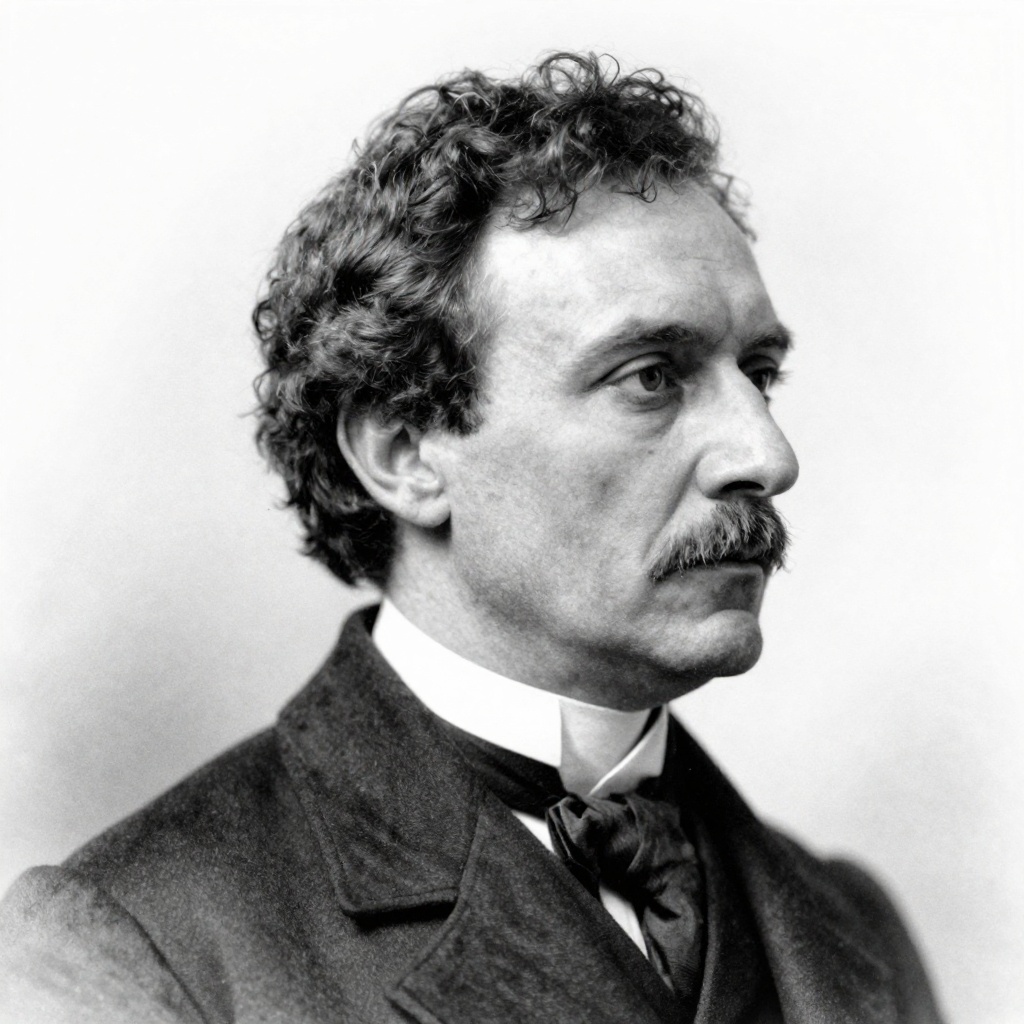
Comments