Quote · Added 14 February 2026
I would rather sit on a pumpkin and have it all to myself, than be crowded on a velvet cushion.
Henry David ThoreauWalden, p. 86, 1854
No ratings yet
Filed underpumpkin·solitude·preference
Quote · Added 14 February 2026
Filed underpumpkin·solitude·preference
There's something almost radical about preferring solitude and simplicity to comfort surrounded by others. Thoreau's pumpkin isn't just about rejecting luxury—it's about recognizing that the quality of your own space matters more than the status of shared spaces. A velvet cushion in a crowd is still a crowd, no matter how soft it feels.
We live in an age of perpetual togetherness. We're squeezed into open offices, attached to group chats, expected to network and collaborate constantly. The unspoken rule is that being alone looks like failure, that comfort is best measured by who else is there to witness it. But anyone who's ever sat alone in their own quiet corner knows a different truth: sometimes one person truly present to themselves beats a dozen people half-present to each other.
The twist is that this isn't misanthropy—it's actually self-respect. Thoreau's pumpkin represents autonomy, the luxury of being unshaped by other people's expectations. In a world that endlessly tries to crowd us onto that velvet cushion, he's reminding us that our own uncomfortable truth is worth more than someone else's comfortable lie.
1817–1862·lived 44 years
Henry David Thoreau was an American essayist, poet, and philosopher, known for his transcendentalist writings advocating for individualism, nature appreciation, and civil disobedience. He is best known for his book "Walden, or Life in the Woods," which reflects on simple living in natural surroundings and has inspired generations of environmentalists and activists.
Also by Henry David Thoreau
That man is richest whose pleasures are cheapest.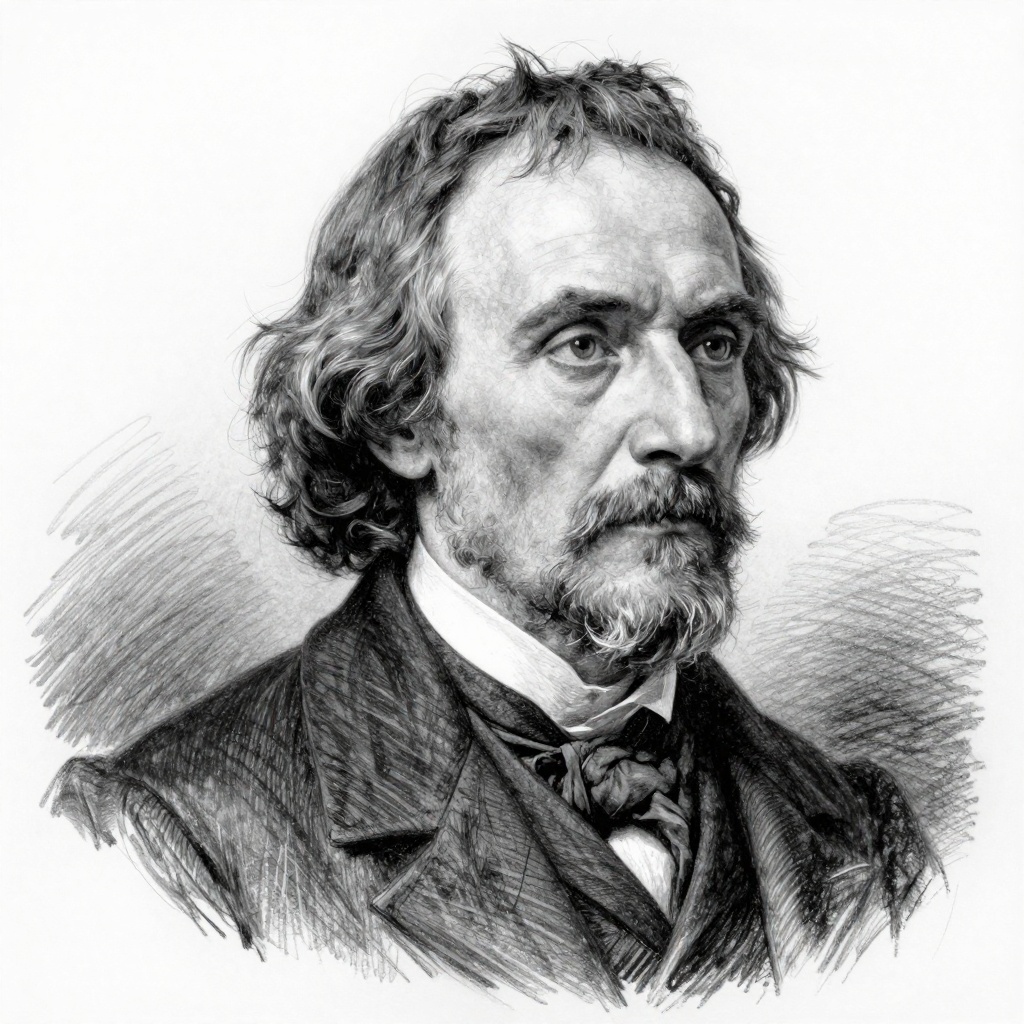
Comments