Quote · Added 26 February 2026
Man is the artificer of his own happiness.
No ratings yet
Filed underhappiness·creativity·agency
Quote · Added 26 February 2026
Filed underhappiness·creativity·agency
We like to blame our circumstances for how we feel. The job market is brutal, so we're stuck. Social media makes us miserable, so we can't help scrolling. Our family stressed us out, so that's why we're anxious. There's truth in all of this—context matters, and some people genuinely face harder obstacles than others. But Thoreau's point cuts through the excuse-making: at some point, happiness becomes a choice you actually have to make and then remake, again and again.
The surprising part is that this doesn't mean forcing yourself to "think positive" or pretending problems don't exist. It means recognizing that you have more agency in small moments than you usually admit. You can choose how you spend an evening. You can choose what you pay attention to. You can choose to have a conversation or to keep quiet. These tiny choices stack up into patterns, and patterns become the texture of a life. The artificer works with real materials and real constraints, but the work is still theirs to do.
The hard truth is that waiting for happiness to arrive—waiting for the right circumstances, the right partner, the right break—is a way of avoiding the responsibility of building it yourself. That responsibility is also your freedom.
1817–1862·lived 44 years
Henry David Thoreau was an American essayist, poet, and philosopher, known for his transcendentalist writings advocating for individualism, nature appreciation, and civil disobedience. He is best known for his book "Walden, or Life in the Woods," which reflects on simple living in natural surroundings and has inspired generations of environmentalists and activists.
Also by Henry David Thoreau
That man is richest whose pleasures are cheapest.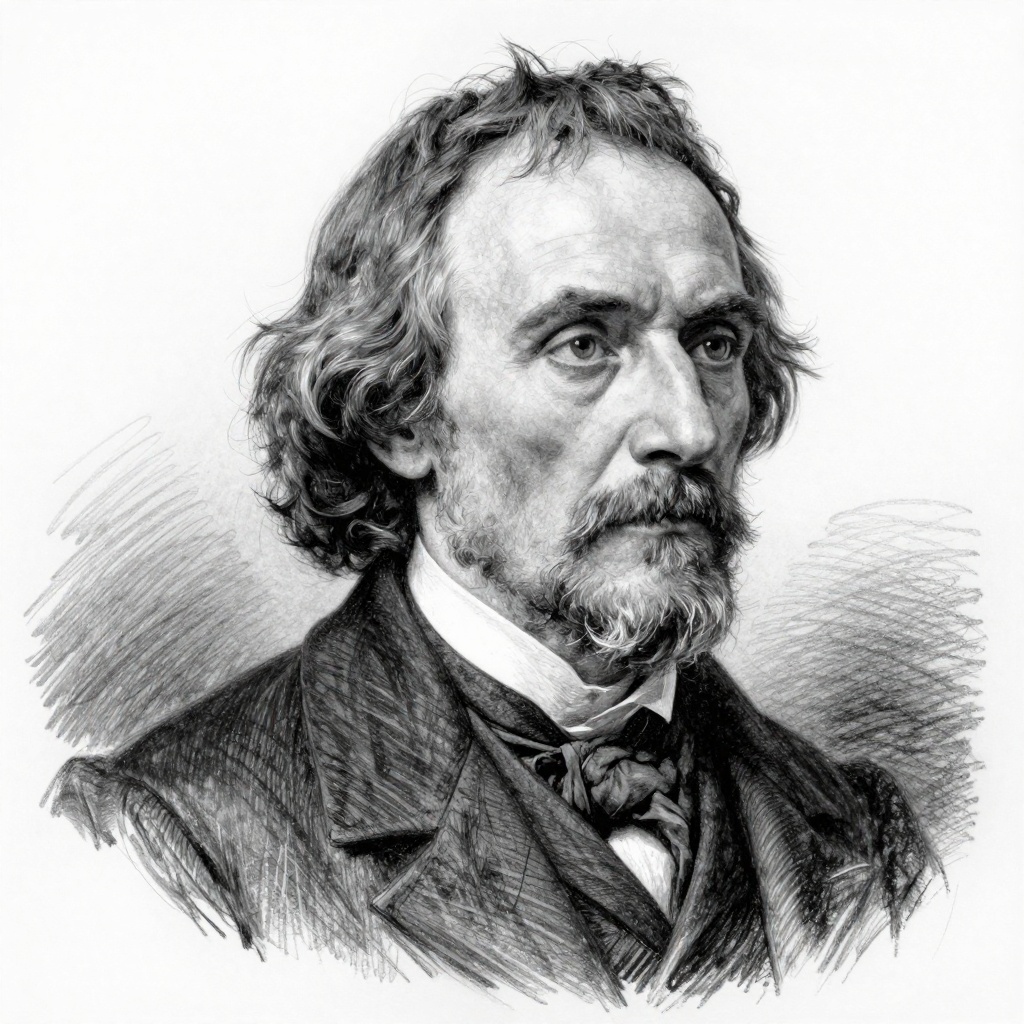
Comments