Quote · Added 14 February 2026
Do not hire a man who does your work for money, but him who does it for love of it.
Henry David ThoreauWalden, p. 85, 1854
No ratings yet
Quote · Added 14 February 2026
There's something almost reckless about this advice, especially when you're running a business on thin margins and need reliable people. But Thoreau is onto something real that most hiring practices completely miss: the difference between someone who shows up and someone who actually cares. The person working purely for a paycheck will do exactly what's required—no more, no less. They'll leave at five, avoid problems, and watch the clock. But the person who loves the work thinks about it differently. They notice things going wrong before they break. They propose improvements nobody asked for. They show up early sometimes, not because they have to, but because they want to finish something.
This matters now more than ever, when most jobs feel increasingly transactional. We've built a system where money is supposed to be enough motivation, but it's never actually been enough for human beings. We need to feel that what we're doing matters, that we're good at it, or at least that someone notices. The harder part of Thoreau's advice isn't the wisdom—it's that finding people who love their work is rarer than it should be. Which suggests the real problem might not be the people, but whether we've built workplaces where anyone could possibly fall in love with what they're doing.
1817–1862·lived 44 years
Henry David Thoreau was an American essayist, poet, and philosopher, known for his transcendentalist writings advocating for individualism, nature appreciation, and civil disobedience. He is best known for his book "Walden, or Life in the Woods," which reflects on simple living in natural surroundings and has inspired generations of environmentalists and activists.
Also by Henry David Thoreau
That man is richest whose pleasures are cheapest.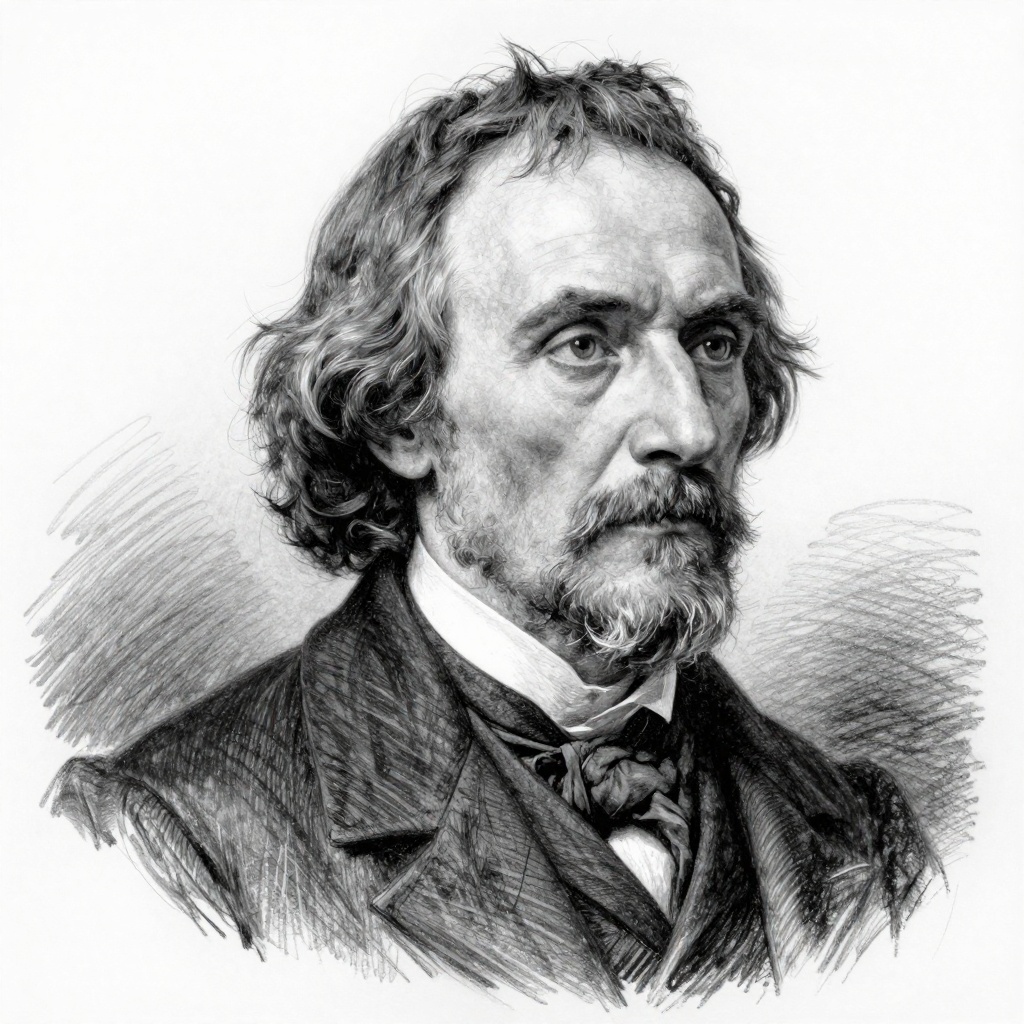
Comments