Quote · Added 19 February 2026
Distrust any enterprise that requires new clothes.
No ratings yet
Filed underclothes·distrust·enterprise
Quote · Added 19 February 2026
Filed underclothes·distrust·enterprise
There's something disarmingly true about Thoreau's warning, even if it sounds quaint coming from a man who lived in a cabin. When you strip away the poetic language, he's pointing at something we still do every day: we use costumes to convince ourselves we've changed. The new job that requires business casual, the fitness regimen that demands special workout gear, the side hustle that wants you to rebrand yourself—these aren't neutral wardrobe additions. They're usually signals that someone else is betting on your insecurity more than your actual capability.
The real insight isn't that clothes are bad. It's about what needing new clothes usually indicates: you're being asked to perform a role rather than do work. A genuinely good opportunity typically meets you where you are. It asks what you can contribute, not what image you should project. Think about the people you trust most—they probably don't care what you're wearing. They care what you can actually do.
So when you feel that subtle pressure to look the part before you even start, pause. Not because new clothes are shameful, but because that pressure often masks something: a system that values appearance over ability. Sometimes the most radical thing you can do is stay exactly as you are and see who values you anyway.
1817–1862·lived 44 years
Henry David Thoreau was an American essayist, poet, and philosopher, known for his transcendentalist writings advocating for individualism, nature appreciation, and civil disobedience. He is best known for his book "Walden, or Life in the Woods," which reflects on simple living in natural surroundings and has inspired generations of environmentalists and activists.
Also by Henry David Thoreau
That man is richest whose pleasures are cheapest.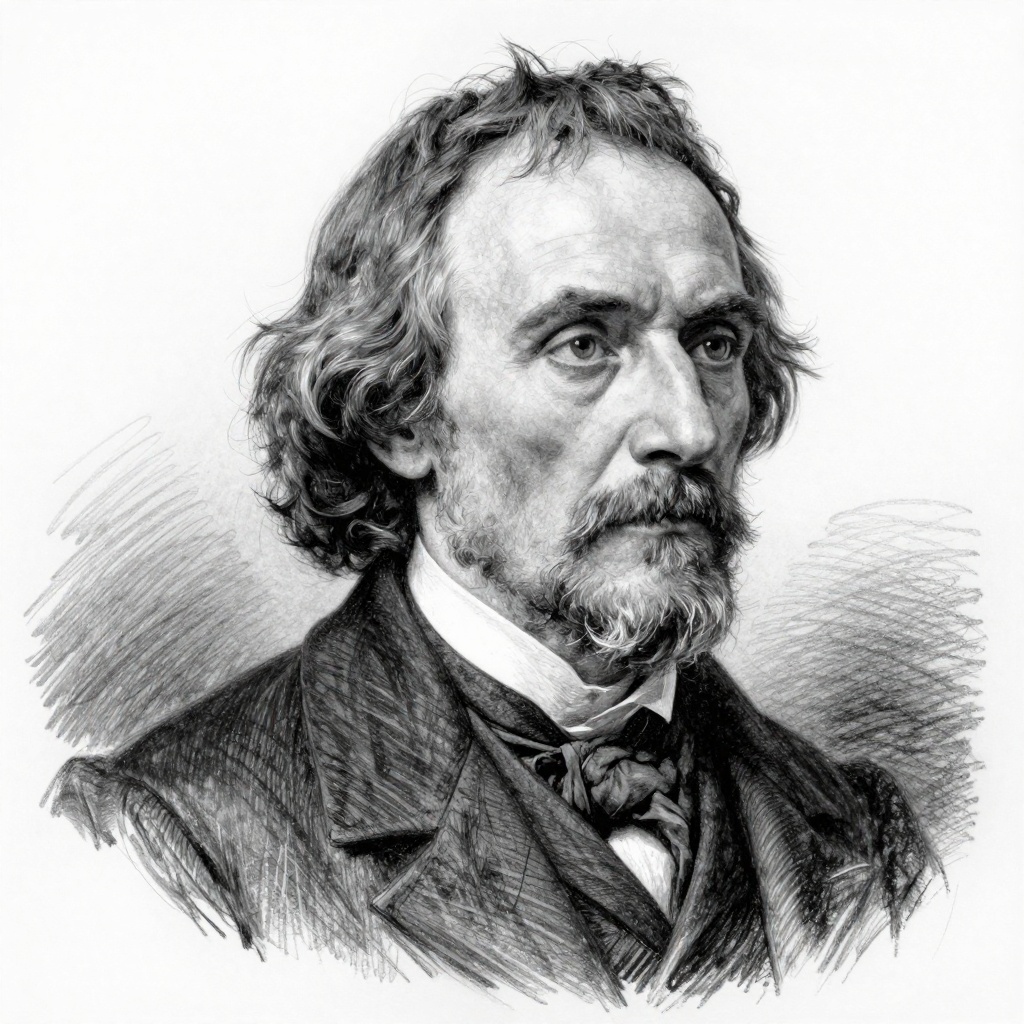
Comments