Quote · Added 1 October 2023
City life is millions of people being lonesome together.
No ratings yet
Filed undercity·loneliness·community
Quote · Added 1 October 2023
Filed undercity·loneliness·community
There's something counterintuitive about feeling most alone in the moments you're most surrounded. You're on a crowded train, everyone scrolling their phones, physically pressed against strangers yet utterly sealed off from connection. Or you're at a party where you know half the people, but the conversations never quite land, so you end up feeling more disconnected than if you'd stayed home. Thoreau captures this particular modern ache—not the loneliness of isolation, but the loneliness of proximity without real contact.
What makes this observation still sharp today is how it reveals something we rarely admit: being around people doesn't automatically cure loneliness. In fact, it can intensify it. When everyone around you seems connected to someone else, or lost in their own world, the gap between you and them suddenly feels wider. Cities promise community and connection, yet often deliver the opposite—a kind of enforced solitude where you're constantly reminded that you're one of millions, which somehow makes you feel smaller, not bigger.
The twist is that recognizing this doesn't mean cities are failures. It means loneliness isn't solved by proximity alone. Real connection requires something cities can make surprisingly difficult: the willingness to actually look at people, to slow down, to let your guard down among strangers. The loneliness Thoreau identified is partly a choice—one we can see clearly enough to refuse.
1817–1862·lived 44 years
Henry David Thoreau was an American essayist, poet, and philosopher, known for his transcendentalist writings advocating for individualism, nature appreciation, and civil disobedience. He is best known for his book "Walden, or Life in the Woods," which reflects on simple living in natural surroundings and has inspired generations of environmentalists and activists.
Also by Henry David Thoreau
That man is richest whose pleasures are cheapest.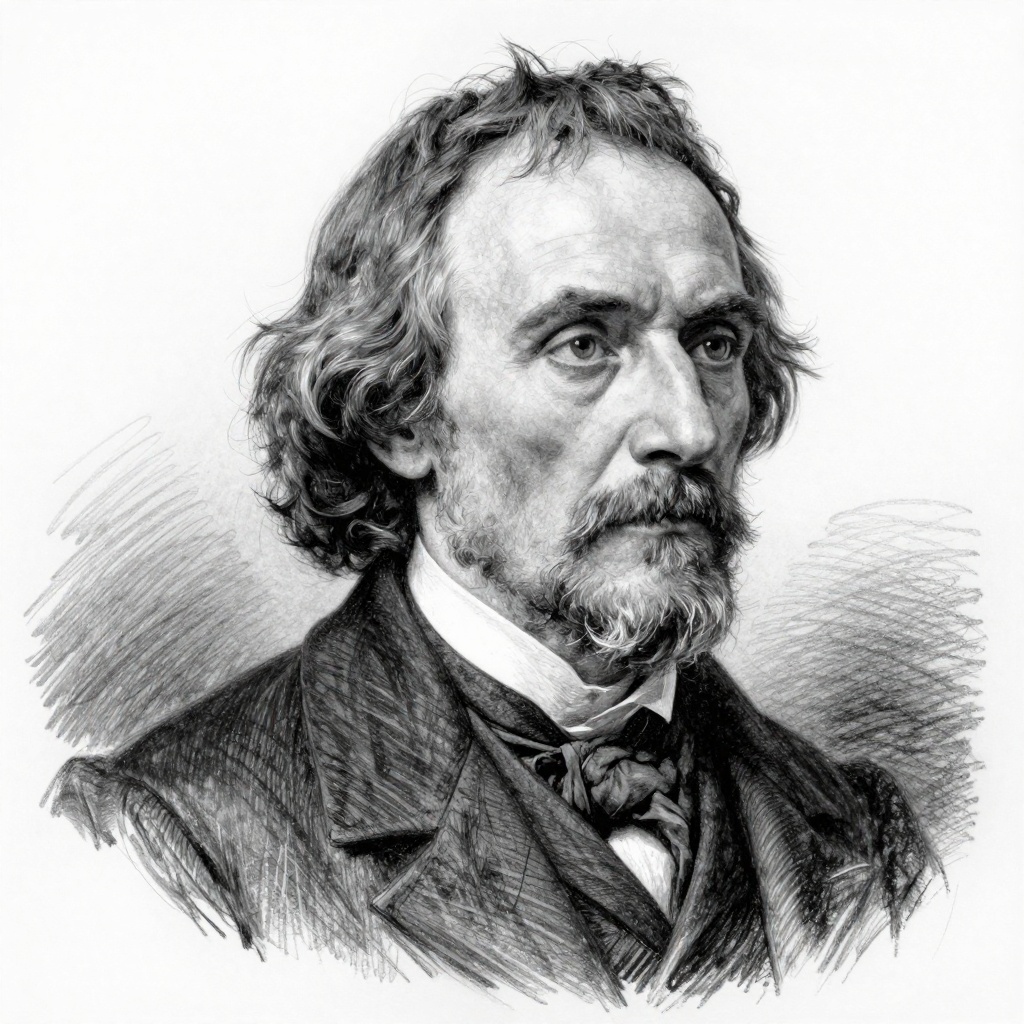
Comments